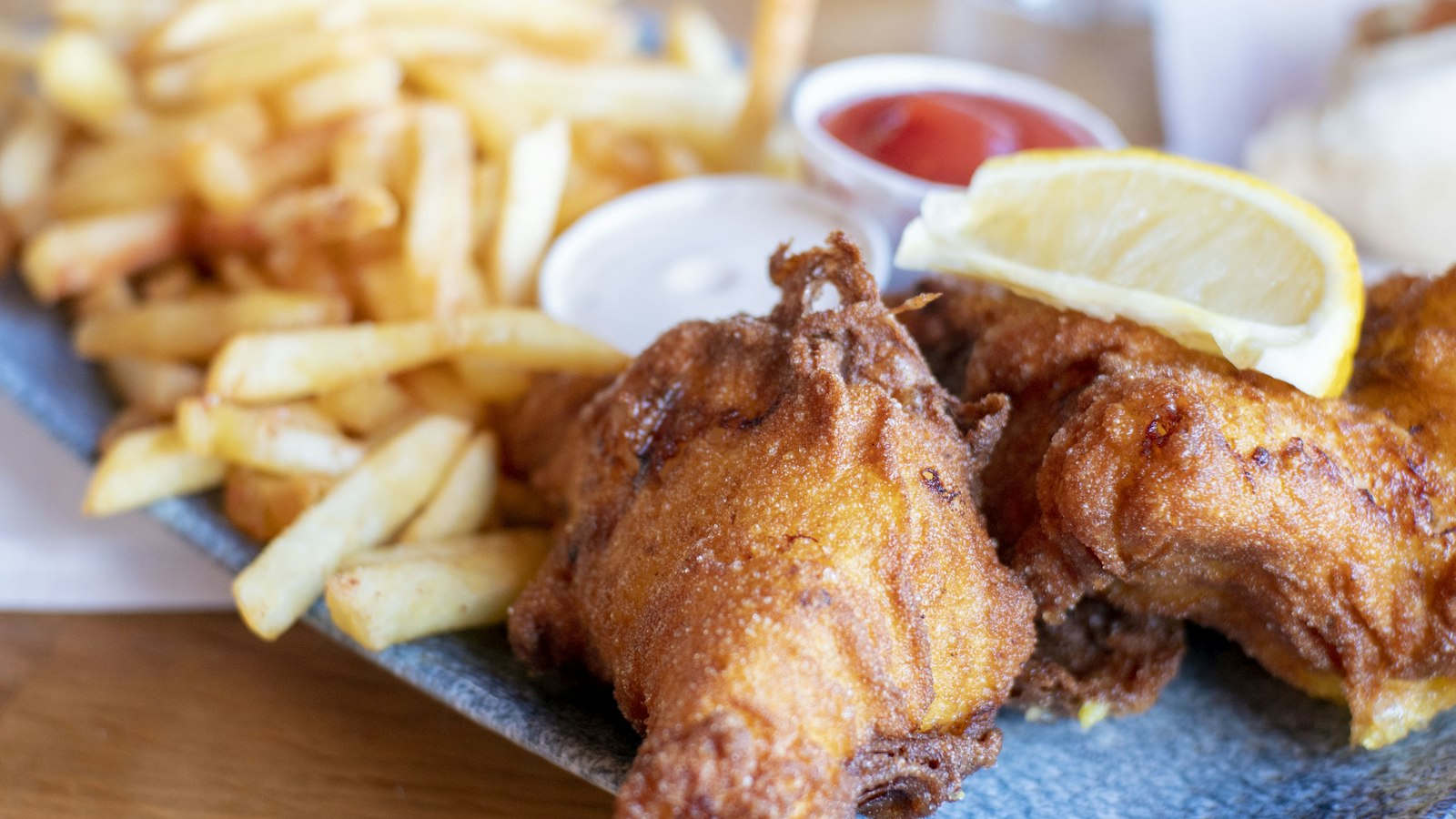
Cod tongue is one of the understated specialties of North Atlantic cuisine, with a presence stretching across regions where cod fishing has long been a pillar of local life. Despite the name, this morsel is not an actual tongue, but the boneless meat from the lower jaw of the cod, including the distinctive chin barbel. The cut forms a triangle or a V-shape and weighs about 30–40 grams, so a tonne of gutted cod would yield only around 10 kilograms of tongue.
Cod tongue is counted among the delicacies in Icelandic cooking, known locally as “gellur,” and its appeal is matched in fishing communities from the Basque Country to Newfoundland, Northern Norway, and the Faroe Islands. The jaw meat has a texture closer to scallop or filet mignon than the familiar cod fillet, while the chin barbel offers a gelatinous contrast.
Tradition and technique in the North Atlantic
Throughout the centuries, cod tongue was more than a dish: it became entwined with the daily routines and social structures of fishing communities. In Iceland, as in neighboring North Atlantic cultures, fish offal such as cod tongue has roots in necessity and resourcefulness. With fish a central component of Icelandic cuisine, all edible parts were valued, and the gellur were traditionally boiled with onions and butter (soðnar gellur).
Elsewhere, cod tongue played a role beyond sustenance. On Icelandic, Faroese, and French fishing vessels, the number of cod tongues collected would serve as a tally, tracking each fisherman’s haul. On Faroe Islands’ line-fishing boats, each crew member would collect tongues and place them in a cod tongue box (Faroese: lippukassan). At the end of the week, the tally would determine the division of the catch and, consequently, each man’s earnings. These customs shaped not just income, but also camaraderie, rivalry, and even superstition onboard. Fishermen in Shetland, by contrast, split most of the catch equally, but added a bonus based on the cod tongue box, a system some saw as fairer.
In Norway, especially during the cod-rich Lofoten Fishery season, cod tongue cutting became a seasonal rite for young people, some starting as early as five years old. For generations, cutting tongues was a way for children to earn money, supporting families in the past or as a pocket-money tradition in modern times. Today, however, the tradition faces new challenges. Mechanization and changing economies have led to fewer children participating in the practice.
A taste with a story
Cod tongue’s popularity is not confined to Iceland. In Newfoundland, it was commonly eaten fresh from the docks, typically dredged and fried in pork fat with local pork scraps. The Basque Country celebrates kokotxa, the cod tongue and chin, with dishes such as the famed “al pil pil,” where the gelatin from the jaw is emulsified with olive oil and herbs. Portugal long treasured cod tongues as a delicacy, especially when salted and fried.
Whether for its distinct texture or for its role in the social economy of fishing communities, cod tongue remains a reminder of adaptation to harsh conditions, the importance of maximising the bounty of the sea, and the interwoven nature of food and tradition.
Sources
- Wikipedia
- Wikipedia (Icelandic) in Icelandic


