Where the Skjálfandafljót river surges through northern Iceland’s landscape, it pitches into a wide, thundering waterfall known as Goðafoss. Located at the meeting of the Ring Road and Sprengisandur highland route, Goðafoss sits around a 45-minute drive from Akureyri, the major town of the north.
The waterfall drops between 9 and 17 metres depending on where it is measured, with the water spreading across a 30-metre-wide stretch. Its face varies with the river’s strength, the season and the weather, sometimes draped in winter ice and at other times bright beneath the summer sun. The surrounding area invites exploration, with a 1.8-mile trail encircling the falls and offering continuously changing views.
Naming, myth and the adoption of Christianity
Goðafoss means either “waterfall of the gods” or “waterfall of the chieftain” in Icelandic, and the tale behind its name blends folklore and history in a way typical of Iceland’s landscape. Some believe its name refers to two rock outcrops near the falls, which resemble the icons once honoured by those who practised the old Norse beliefs.
A widespread tale connects Goðafoss to a key turning point in Icelandic religious life. In the year 999 or 1000, the Alþingi (the national assembly) chose Christianity as the law of the land. Þorgeir Ljósvetningagoði, the lawspeaker at that time, played a vital role in bridging the conflict between pagans and Christians. Though raised as a pagan, Þorgeir was tasked with reaching a compromise that would keep society unified. According to later stories, on returning home from the Alþingi, he threw the figurines of his former gods into Goðafoss, symbolising the break with the old ways.
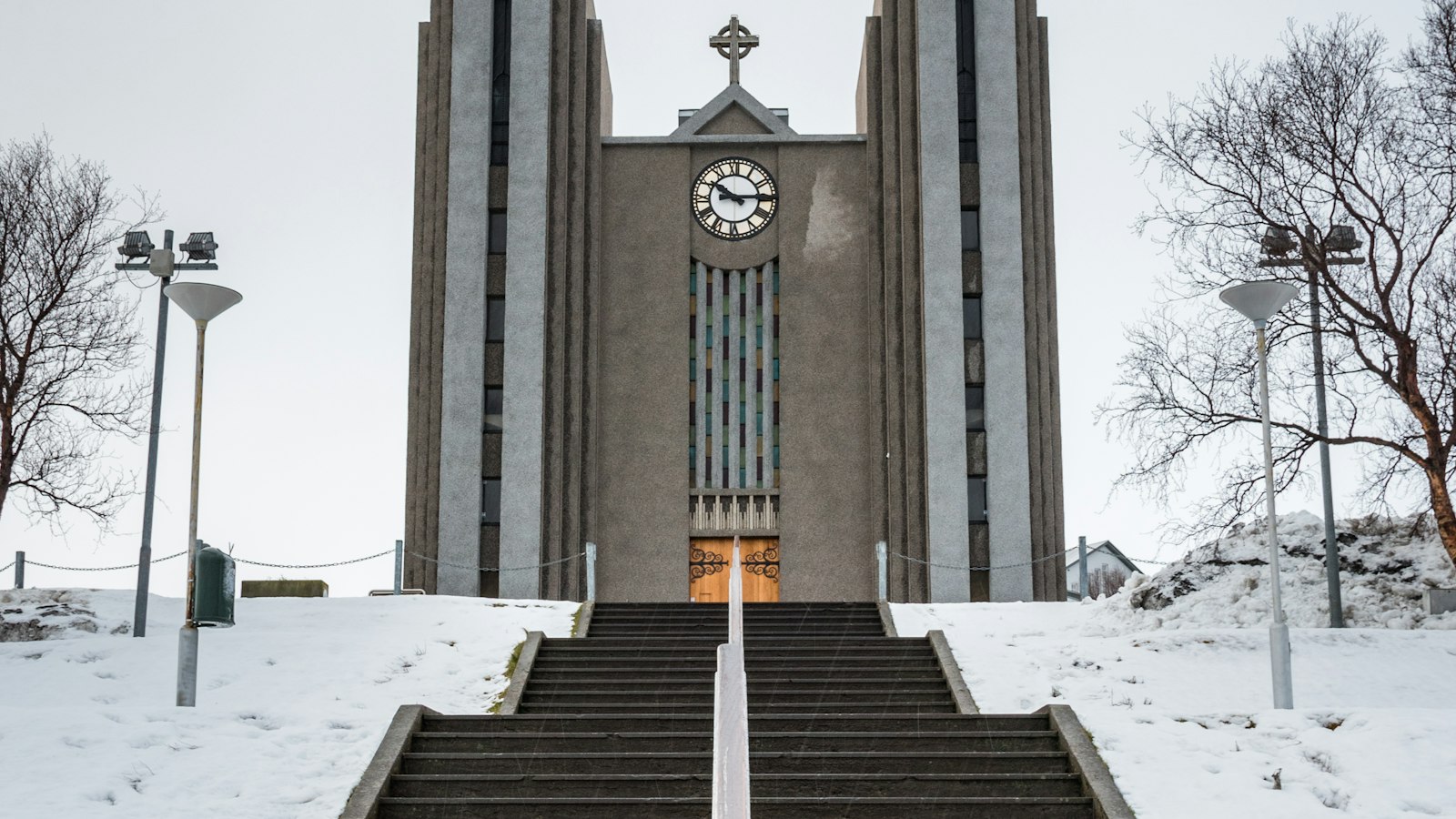
However, despite its grip on local memory, this story does not appear in early written accounts. While historian Ari Þorgilsson tells of Þorgeir’s role in adopting Christianity, the dramatic act at Goðafoss surfaced only in the nineteenth century, first published in Denmark. Nevertheless, the legend has become so embedded in Icelandic culture that a stained glass window in Akureyrarkirkja, the main church in Akureyri, depicts the scene.
A protected landscape and a legacy at sea
Goðafoss is also notable for its place in modern history and environmental stewardship. In November 2020, the waterfall and its surroundings were officially protected. The preceding years had seen considerable investment in the area’s care and infrastructure, highlighting its continued significance.
The influence of Goðafoss extends beyond land. During the Second World War, an Icelandic ship bearing the waterfall’s name was sunk by a German submarine, resulting in great loss of life. This event added another chapter to the name’s meaning for Icelanders, binding the natural landmark and national memory together.
Sources
- Wikipedia
- Wikipedia (Icelandic) in Icelandic


