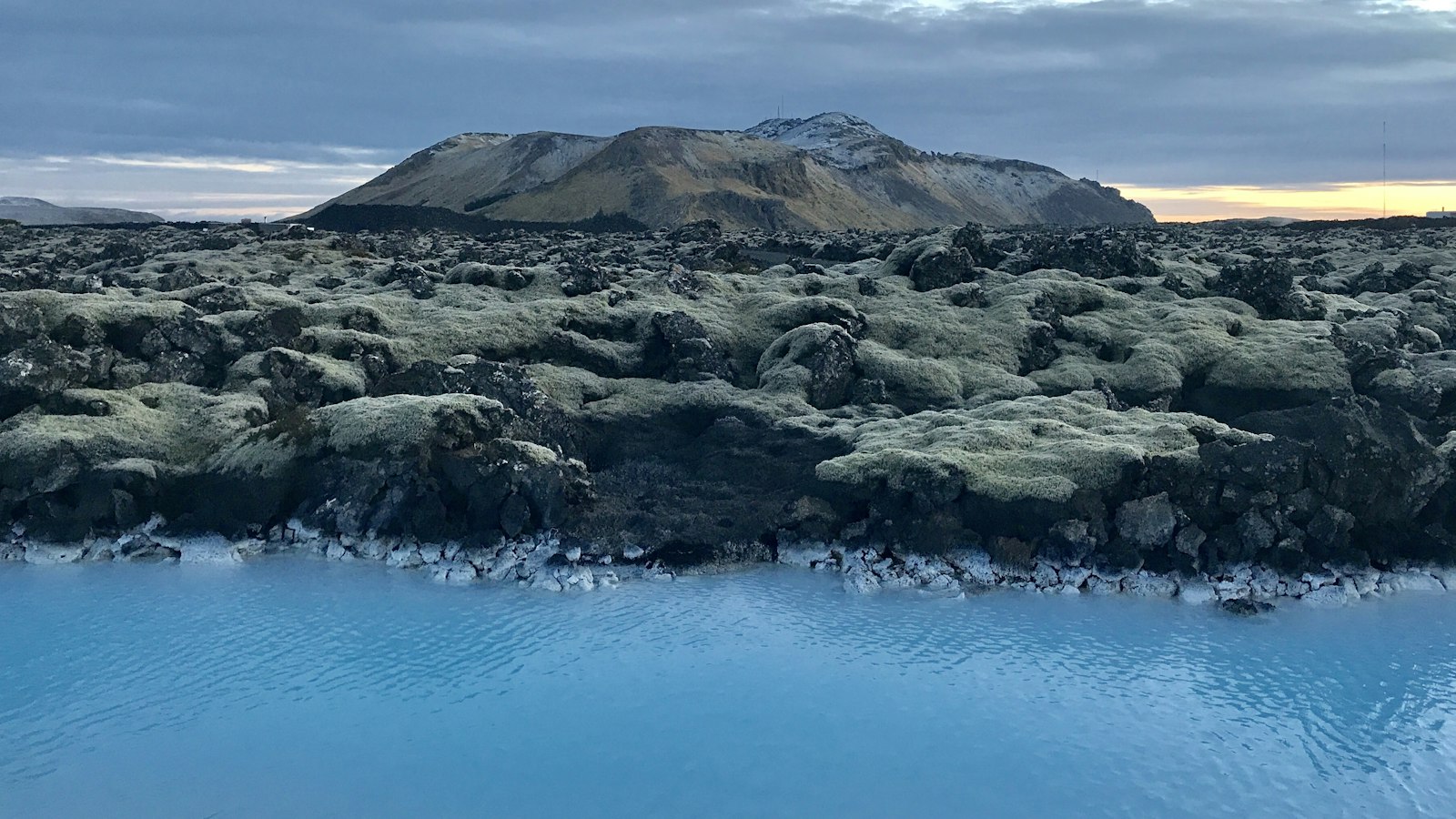
On Iceland’s Reykjanes peninsula, the volcanic feature known as Stóra-Eldborg undir Geitahlíð stands as a testament to the island’s turbulent geological past. Rising 50 metres above the surrounding landscape, this Holocene-age pyroclastic cone is part of a chain of craters and fissures that have both scientific and cultural significance in Icelandic history.
A meeting of fire and ice
Stóra-Eldborg, meaning ‘the large fire castle under Geitahlíð’ in Icelandic, is situated some 5 kilometres from Krýsuvík, beneath the flat-topped mountain or tuya called Geitahlíð. Tuyas are rare volcanoes formed by eruptions beneath glaciers during the Ice Age. Geitahlíð itself rises to 385 metres, its summit once the site of eruptions during a time when thick ice still covered much of the region.
Despite its proximity to the high-temperature geothermal area of Seltún and to Krýsuvík, Stóra-Eldborg and its neighbouring craters do not belong to the Krýsuvík volcanic system. Instead, they form the southernmost outpost of the Brennisteinsfjöll volcanic system. The Brennisteinsfjöll system is composed of numerous fissures and crater rows, with Stóra-Eldborg and nearby formations acting as geological reminders of Iceland’s dynamic and independent volcanic zones.
Layers of lava and stories
The Stóra-Eldborg cone itself is primarily built from spatter and scoria, volcanic materials ejected during explosive eruptions. The crater, 30 metres deep, is one of several along an ancient eruption fissure. Around 2,400 years ago, an eruption from the Eldborgir crater row sent lava flowing for 2.5 kilometres, all the way to the Atlantic coastline. The landscape bears further evidence of past dramas: lava channels and fissures mark the surface, while the nearby Litla-Eldborg crater, though damaged by quarrying, stands as a smaller sibling in parallel to Stóra-Eldborg.
Each fissure and crater tells a different story, sometimes quite literally. The area is tied to the folktale of Krýsa and Herdís, cousins known in legend for their powers of witchcraft. Their argument over territorial boundaries ended not with magical disaster, but with their own demise. According to local lore, their graves near the volcanic landscape remain known to this day.
Nature’s handiwork here has not gone unnoticed in recent times. In 1987, Stóra-Eldborg and its surroundings were designated a protected natural monument within the larger Reykjanesfólkvangur conservation area. The gentle hiking trails that now lead visitors and locals alike to the rim of the crater and up the slopes of Geitahlíð offer views over the lava fields that once flowed to the sea, shaping both the land and local imagination.


