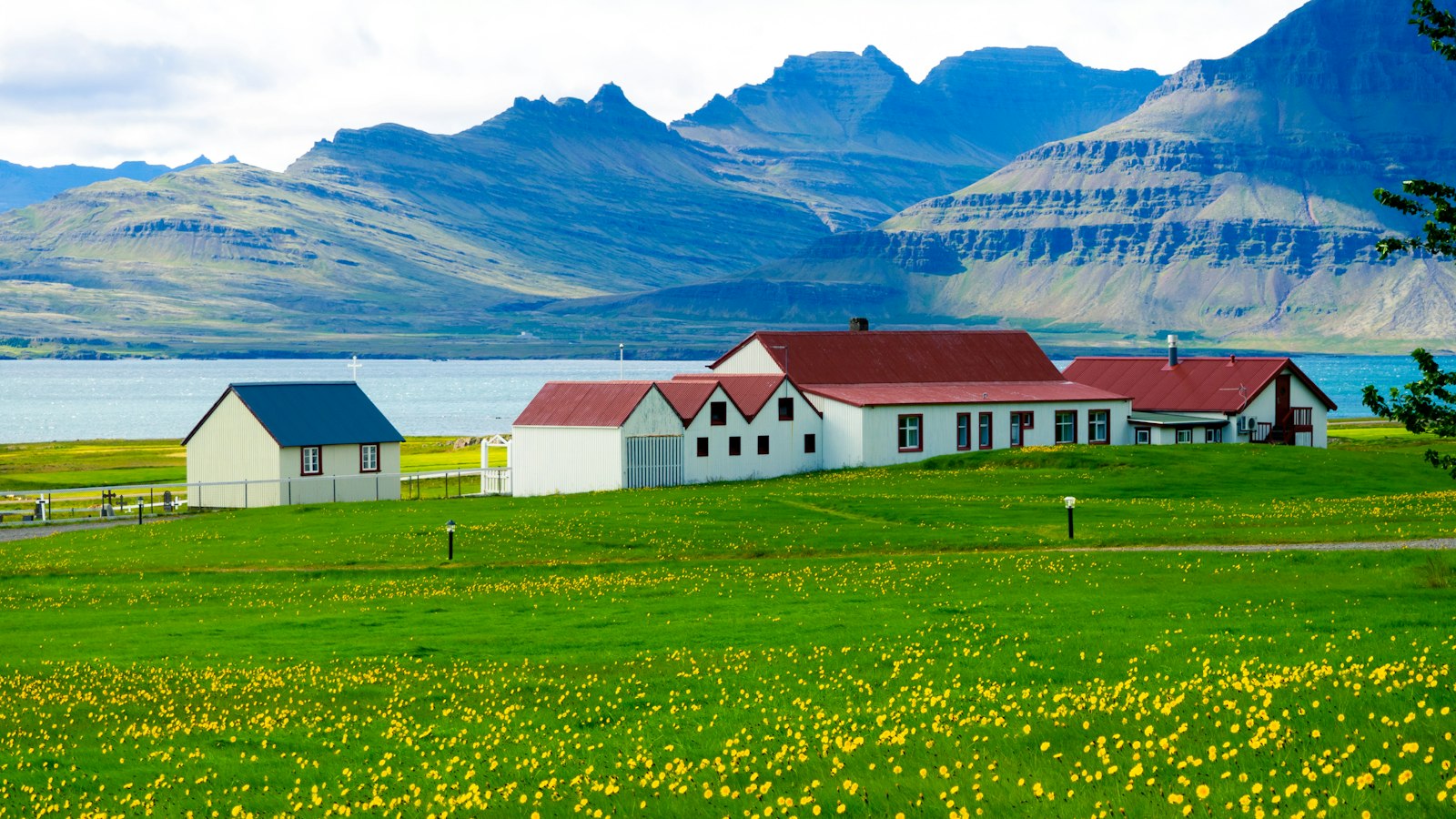
Stöðvarfjörður is a village with less than 200 inhabitants, occupying the northern shore of the fjord that shares its name in east Iceland. Part of the municipality called Fjarðabyggð, the settlement’s story threads together early Viking explorations, farming and fishing traditions, and, in recent times, a shift toward arts and culture.
Tracing ancient footsteps
According to Iceland’s Landnámabók, Stöðvarfjörður was settled by Þórhaddur “The Old” who came from Trondheim, Norway. Archaeological work at the Stöð farm, directed by Bjarni F. Einarsson since 2015, unearthed two Viking longhouses. Radiocarbon dating places the oldest one just after the year 800, earlier than Iceland’s official settlement date. These structures likely served as seasonal camps for fishing and walrus hunting, rather than year-round homes.
The archaeological findings were striking both for their variety and origins. The site yielded not only evidence of daily life, farmsteads and hunting implements, but also distant connections, with coins from Rome and the Middle East, gold fragments, rings, and pieces of hacksilver used as currency. Among the discoveries were 93 beads, making it one of the largest hoards of its kind found in Iceland.
Village life and the pull of creativity
Stöðvarfjörður’s modern beginnings can be traced to the late 19th century. The bulk of the community stretches along Fjarðarbraut, the main street, with the village sheltered at the foot of Hellufjall (859 metres tall). Fishing was the mainstay of employment throughout most of the village’s history, but the workforce has shrunk and many young residents have moved away, leading to closures like the local youth hall.
Today, the town’s spirit of adaptation is visible in the transformation of its 2,800 square metre former fish factory into the HERE Creative Centre. This cultural hub includes workshops for ceramics, wood and metal, studios, and a recording space. Live music, exhibitions and artist residencies keep the building lively, pointing to a future shaped by creativity rather than industry.
Village amenities reflect its modest size: there is a general store and internet café called Brekkan, an outdoor swimming pool, a self-service petrol station, ATM and transport stops. On Fjarðarbraut stands Stöðvarfjarðarkirkja, a Protestant church from 1925 repurposed as a café and guest accommodation. Petra Sveinsdóttir’s rock collection, Petra’s Stone Collection, showcases one of Iceland’s most remarkable private mineral collections, assembled over a lifetime.
Among the few to have left their mark far beyond the fjord is Ívar Ingimarsson, the professional footballer who began at local youth club Súlan before playing for Reading in England’s Premier League. He remains involved in the region today, sometimes speaking out on local land issues.
Stöðvarfjörður’s evolution, from its Norse roots to a hub of cultural activity, reveals how even Iceland’s smallest towns bear stories that reach across centuries and continents.
Sources
- Wikipedia
- Wikipedia (Icelandic) in Icelandic


