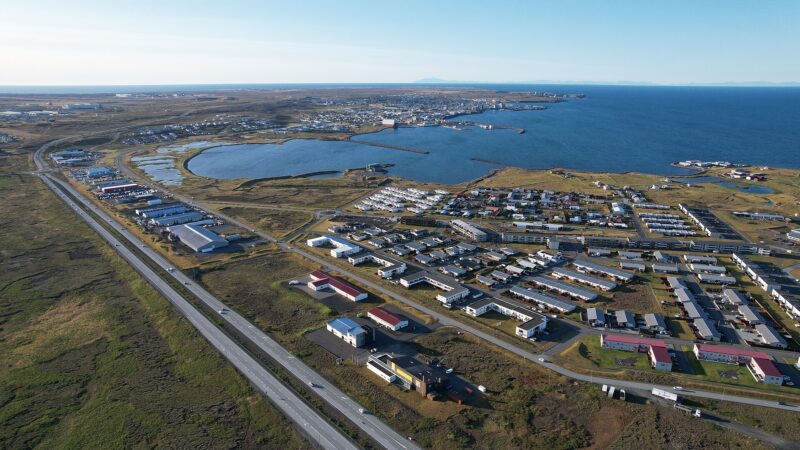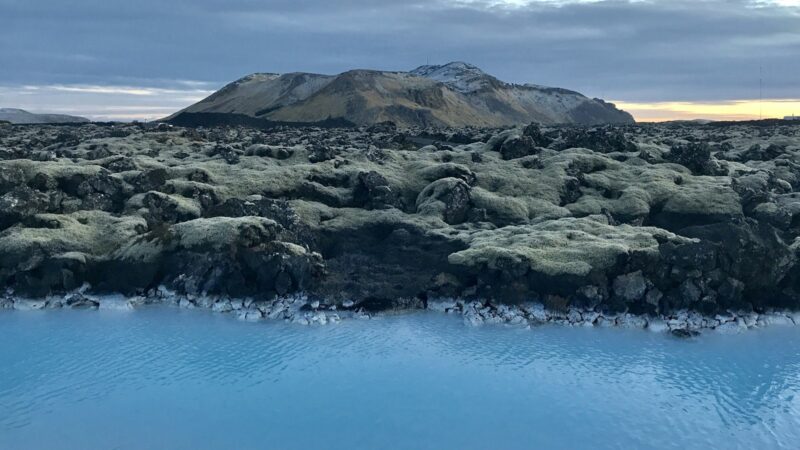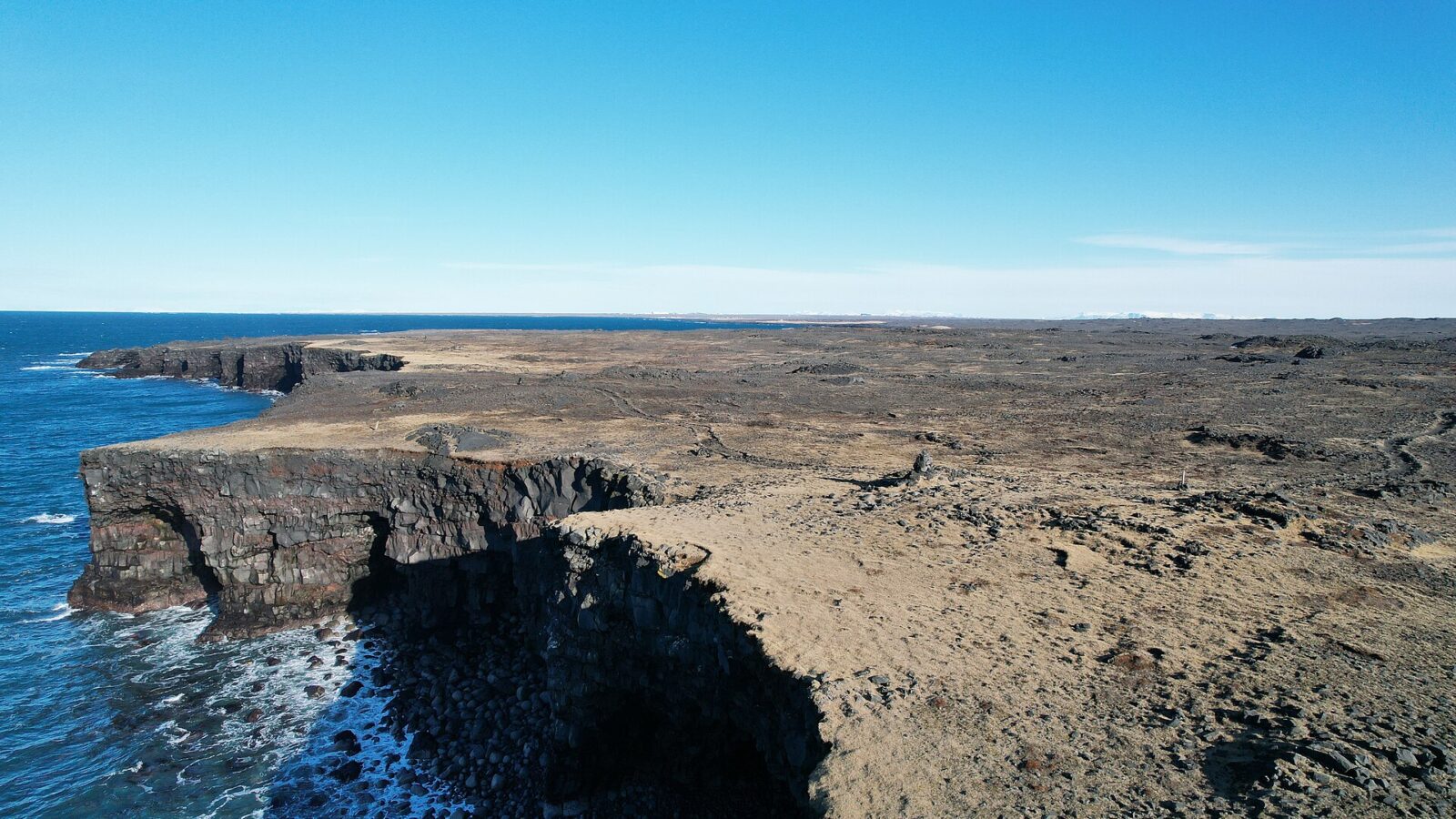
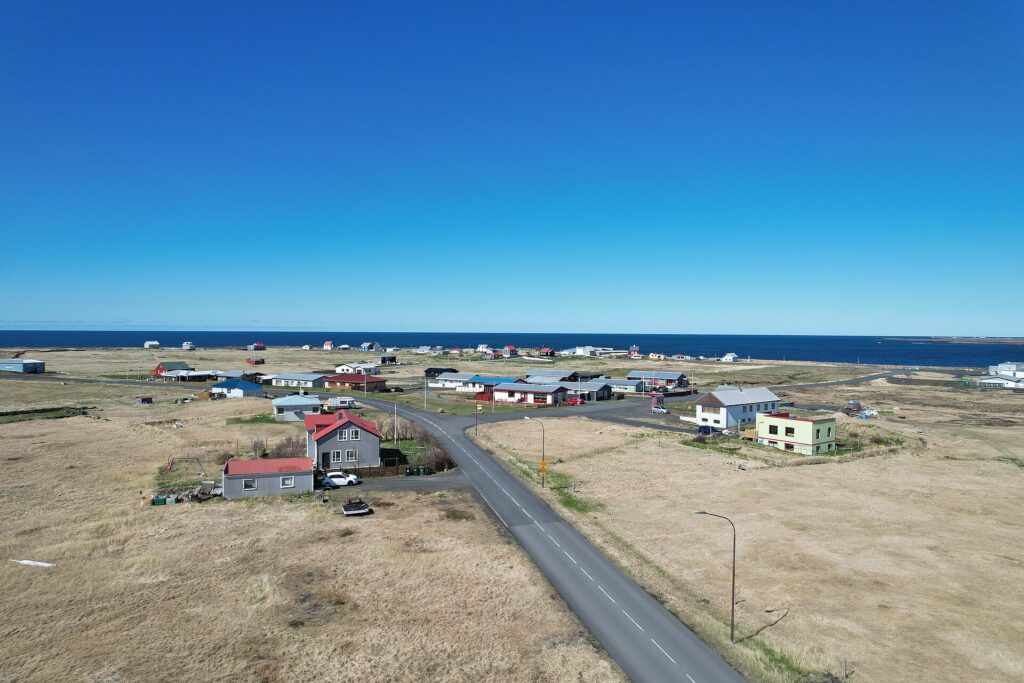
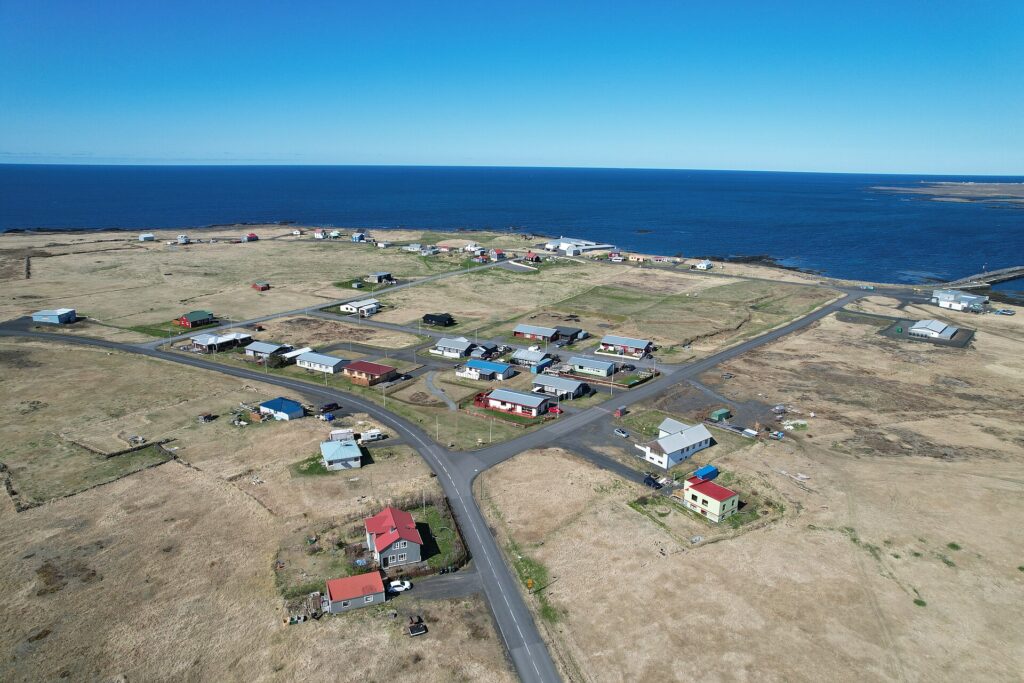
On the western fringe of the Reykjanes peninsula in southwestern Iceland lies Hafnir, a town that offers a window into both ancient settlement and maritime lore. Despite its modest size, Hafnir’s place in regional history is marked by early habitation, centuries of fishing, and a notable shipwreck that still captures local memory.
Layers of settlement and history
Archaeological discoveries in Hafnir have revealed a unique insight into the earliest days of Icelandic habitation. The remains of a cabin, abandoned sometime between 770 and 880, provide the oldest archaeological evidence of settlement in Iceland. These finds suggest that life took root in this area around the same time as the country’s earliest arrivals, predating the traditionally accepted date for the Norse settlement of Iceland.
From fishing village to Reykjanesbær
For centuries, Hafnir was closely tied to the fishing industry and was once a significant fishing village in the region. Its name derives from the two farms of Sandhöfn and Kirkjuhöfn, both now deserted. As with many Icelandic coastal communities, Hafnir’s fortunes rose and fell with changing fishing prospects. By the late twentieth century, the town’s population had dwindled from its earlier peak, in line with broader trends across rural Iceland.
In 1994, Hafnir joined with the neighbouring towns of Njarðvík and Keflavík to create the larger municipality of Reykjanesbær. The new municipality (Icelandic: sveitarfélag) had a combined population of 20,416 as of July 2022, with Hafnir’s population at 110 in 2018. The town council (bæjarstjórn) for Reykjanesbær oversees local administration and community development.
A ghost ship and local heritage
Hafnir’s maritime legacy includes the incident of the Jamestown, an American ship that drifted ashore without any crew in 1881. Its cargo of timber was salvaged by locals, and the ship’s large anchor remains on display outside the village church, serving as a visible reminder of the event and the role of the sea in daily life. Hafnir was also home to families such as the Vilhjálmsson siblings, Vilhjálmur and Ellý, who were born and raised in the area of Merkines within Hafnir.
In the community and nearby
Today, Hafnir’s resident population has ranged between 80 and 122 in recent decades. While no longer a regional fishing hub, it remains an inhabited part of the Reykjanes peninsula. The area is surrounded by several other points of interest including Miðahóll, Stafnes, and the coastal turf house of Kotvogur. Not far are attractions such as Hvalsneskirkja, Stampar Crater, and the Stafnesviti lighthouse. Contemporary life is closely linked to Reykjanesbær for services and communal initiatives, and current details can be found on the official Reykjanesbær website.
Sources
Image: Steinninn / Wikimedia Commons (CC BY 4.0) · licence, original (resized) Illustrative image.
Facts last reviewed 28 October 2026. Published 28 October 2026.