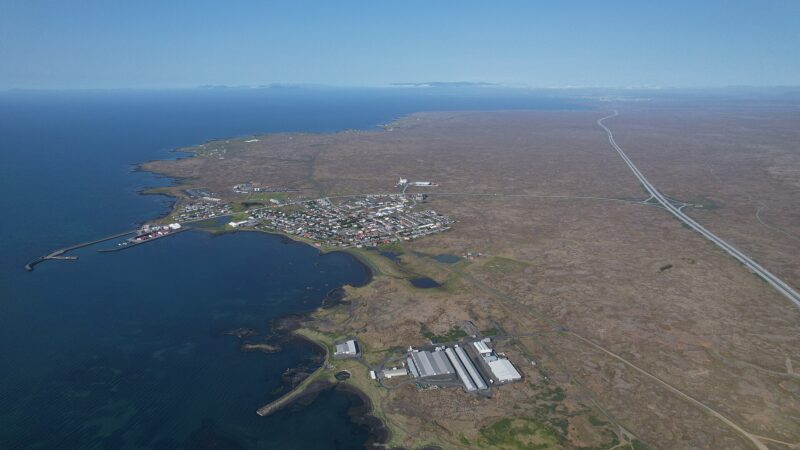
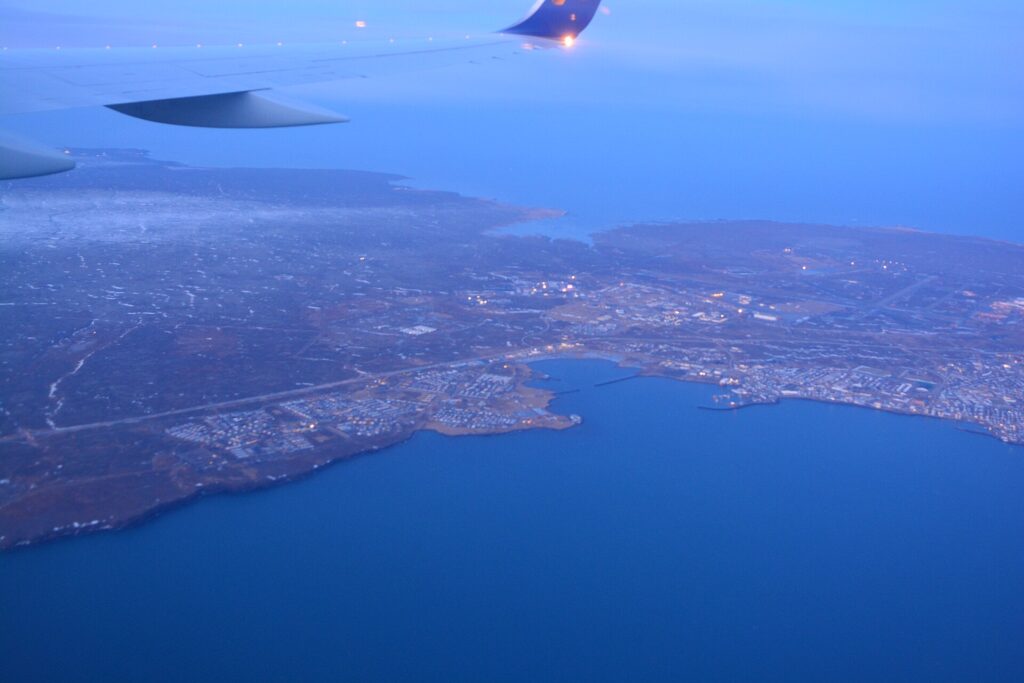
Njarðvík sits on the north side of the Reykjanes Peninsula in southwestern Iceland, within the municipality of Reykjanesbær. The town, whose name means “bay of Njörðr” after a Norse deity, is well positioned just east of the area known as Miðnes and adjacent to Keflavík. Njarðvík’s story is closely woven with the development of trade, fishing, and local governance that have shaped the southwest of Iceland.
Growth, geography and local identity
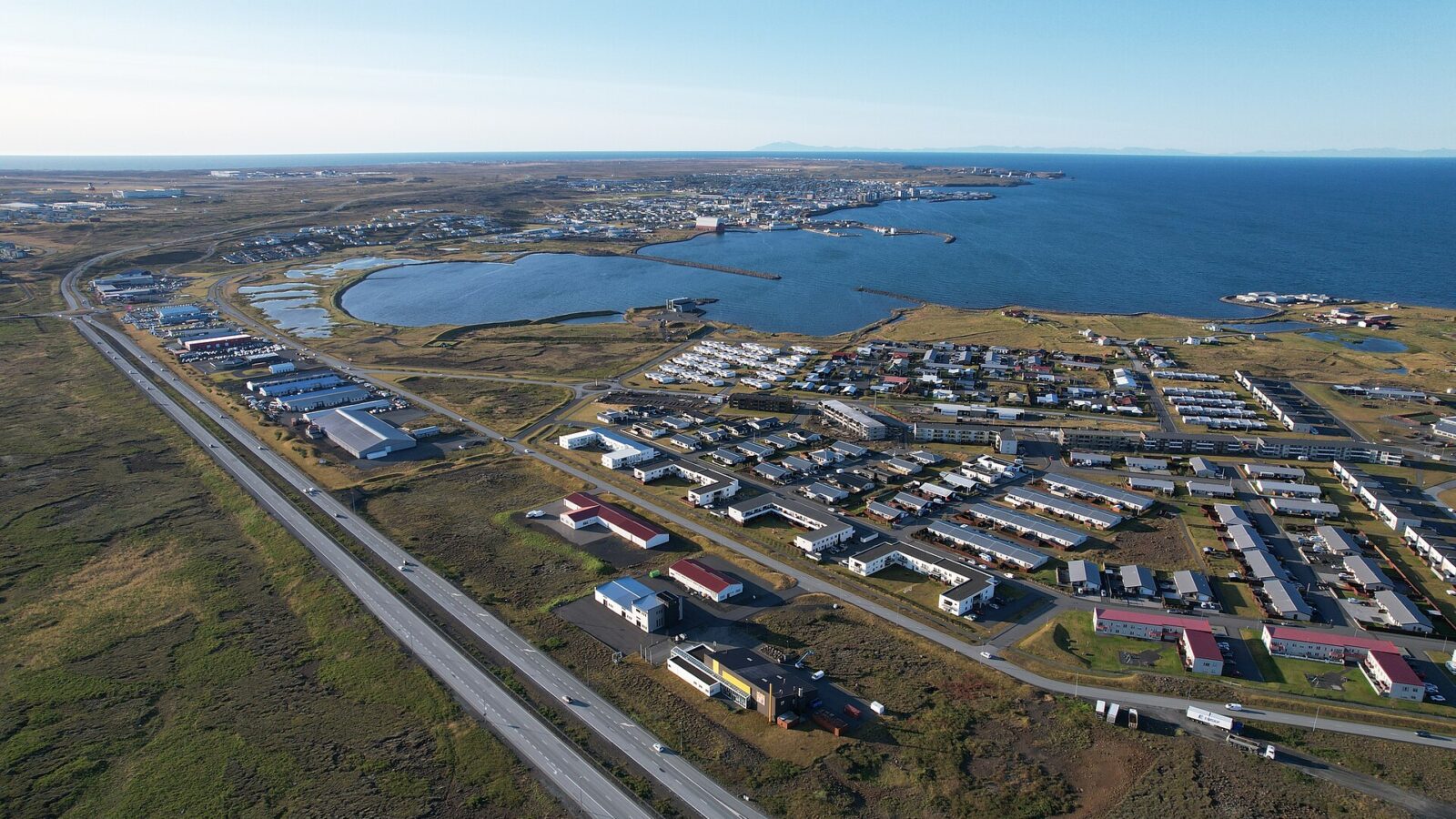
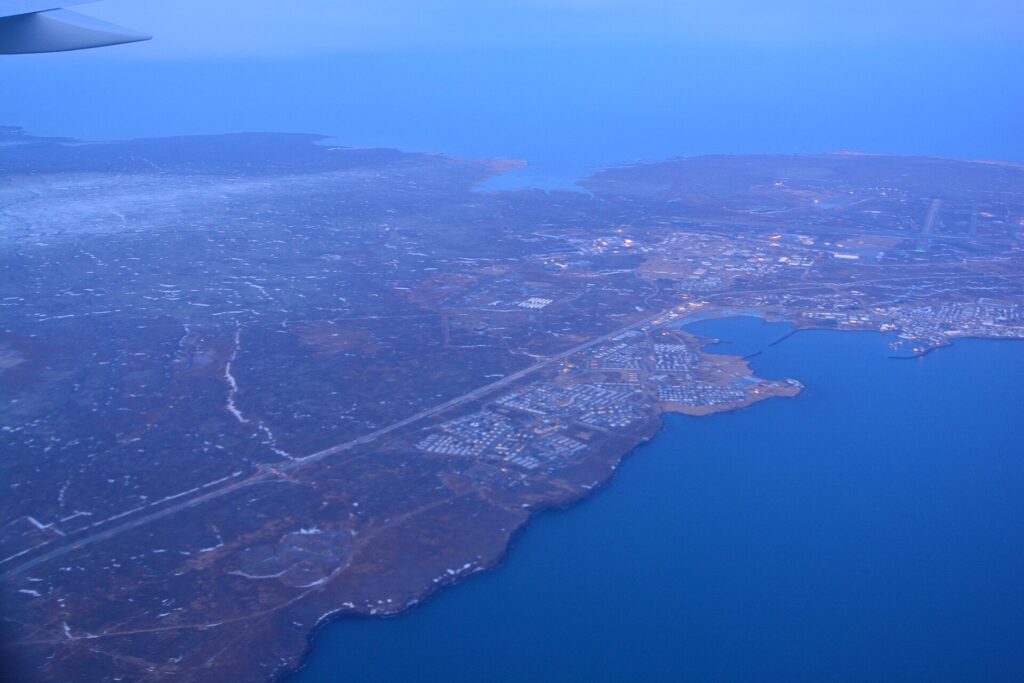
The settlement is organized around the eponymous bay and divides into two historically distinct areas: Innri Njarðvík (Inner Njarðvík) on the east side of the bay, and Ytri Njarðvík (Outer Njarðvík) to the west. The town’s population has increased over recent decades, with recorded figures of 4,398 in 2009 and 5,287 in 2022, reflecting ongoing urban development. Expansion since the late 20th century has resulted in a unified built-up area stretching around the bay and further east into the Vogastapi area. The landscape features former mudflats, Fitjar, now home to the town’s service and retail centre.
Surrounding Njarðvík are places of note including Keflavík, Grófin, The Icelandic Museum of Rock ‘n’ Roll, St. John Paul II Church, Gerðistangarviti, Holmbergs lighthouse, Vatnsnes Lighthouse, and the village of Vogar. This proximity to other centres and landmarks highlights the interwoven character of southwest Iceland’s settlements.
From saga age to modern municipality
Historical records and the Icelandic Sagas mention the area, marking it as a site of early settlement. Through the centuries, Njarðvík evolved from two clusters of farms and fishing outposts into a modern urban area. After being part of both Rosmhvalanes “hreppur” (an old administrative unit) and later Vatnsleysustrandarhreppur, the town gained its own district (Njarðvíkurhreppur) in 1889 due to population growth. In 1908 it briefly merged with Keflavík under “Keflavíkurhreppur,” but administrative differences led to Njarðvík separating again in 1942. Kupstaðarréttindi, or municipal rights, were granted in 1976 before a final merger with Keflavík and Hafnir in 1994, creating the municipality of Reykjanesbær.
A symbol of the town’s heritage is Njarðvíkurkirkja Innri, a stone church constructed in 1886 and located in the historic part of Innri Njarðvík. This church remains a notable element of local identity.
Sports and notable figures
Sport has an active presence in the town. As of the most recent information, the men’s football team of UMF Njarðvík plays in the second tier of Icelandic football and hosts matches at the JBÓ Stadium. Among Njarðvík’s notable residents is Brenton Birmingham, an American-Icelandic basketball player.
Current information on services, facilities, and further local details is available from the official Reykjanesbær website, linked below.
Sources
- Wikidata
- Wikipedia (English)
- Wikipedia (Icelandic) in Icelandic
Image: Eysteinn Guðni Guðnason / Wikimedia Commons (CC BY-SA 4.0) · licence, original (resized) Illustrative image.
Facts last reviewed 23 October 2026. Published 23 October 2026.