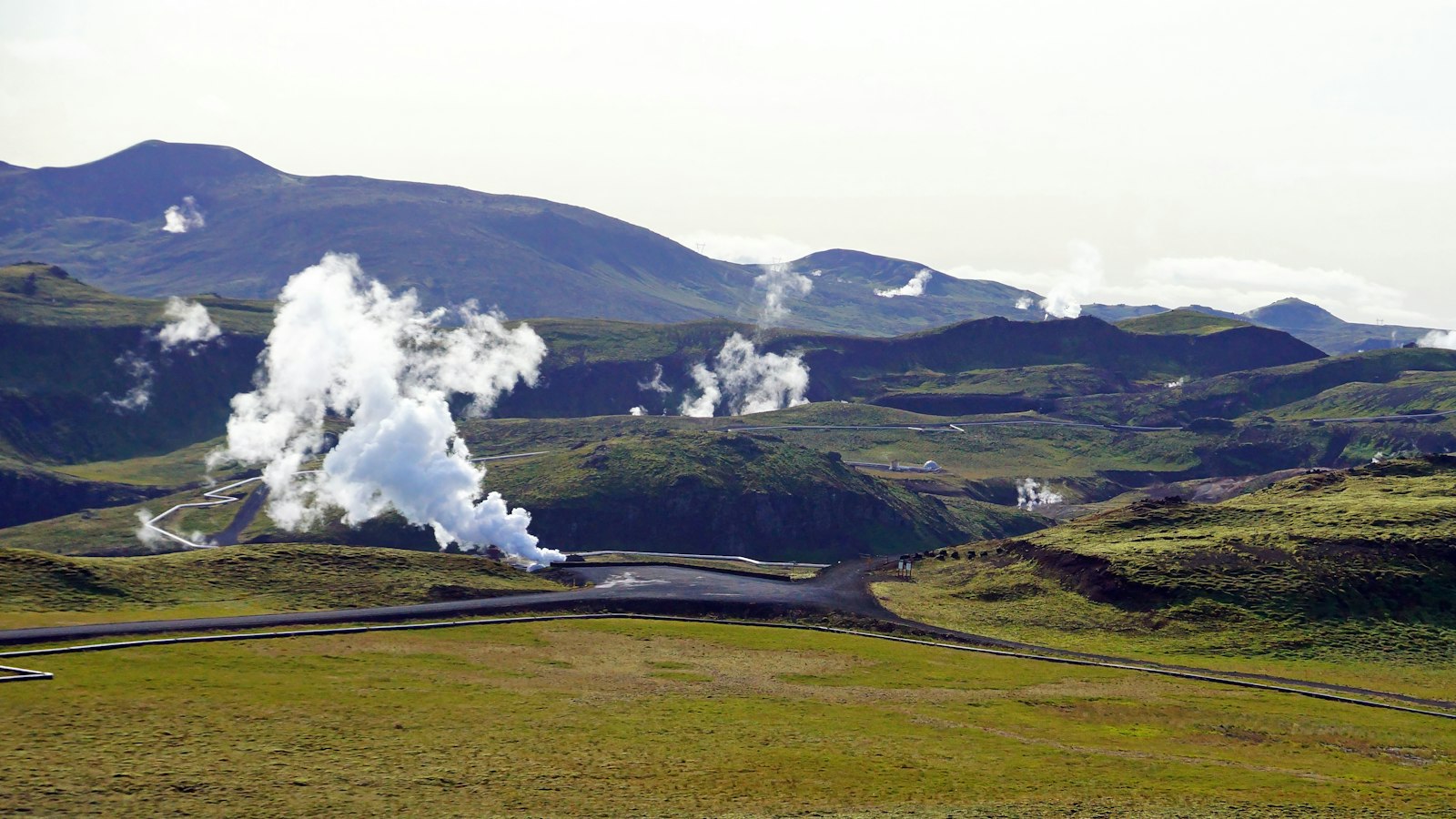
Few countries harness the forces beneath their feet as widely as Iceland. Positioned on the Mid-Atlantic Ridge, where continental plates create a zone of fresh volcanism and underground heat, Iceland is uniquely suited to use geothermal energy on a nationwide scale. Here, natural conditions make it possible to turn the island’s frequent geothermal activity into a foundation for daily life and modern energy policy.
Centuries-old traditions and new solutions
Icelanders have relied on geothermal energy for centuries, beginning with simple uses such as washing and bathing dating back to the Viking Age. Over time, the scope of geothermal energy widened; it now heats at least 90 percent of homes, supplies warmth to greenhouses and swimming pools, and even keeps city streets and pavements free of snow with piped hot water.
The appeal of geothermal power grew especially strong during the 1970s. When global oil prices soared and energy security became an urgent issue, Iceland’s government responded by urging a shift away from fossil fuels, investing heavily in domestic geothermal and hydroelectric resources. This marked a turning point: today, indigenous renewable sources provide about 85 percent of Iceland’s primary energy, with geothermal alone responsible for 65 percent.
A geothermal infrastructure, from homes to industry
Under Iceland’s surface, magma heats underground water reservoirs, there are at least 25 identified geothermal aquifers in the volcanic zone, to between 100 and 300 degrees Celsius. Hot water is piped into homes, public buildings and even beneath city sidewalks. In Reykjavík, water is used at high temperatures for heating homes, then recycled at a lower temperature to melt snow and ice under the streets, all without the energy loss that would come from first generating electricity.
Besides direct applications, geothermal energy is integral to Iceland’s electric grid. The country’s capacity for geothermal electricity generation reached 785 megawatts (MW) in 2025, spread across nine major power plants. Geothermal energy now supplies over a quarter of Iceland’s electricity, making the nation largely self-sufficient in power, alongside hydroelectric generation.
Large-scale plants such as Hellisheiði near Reykjavík not only produce power but also raise questions about balancing progress and safety. Emissions from geothermal plants can include hydrogen sulfide, and in the capital area local studies have explored the possible health impacts during certain weather conditions.
Policy and collaboration
Government support has played a significant role in the growth of geothermal energy. Ambitious national plans have mapped new areas for development and the state continues to expand infrastructure, including bringing geothermal heating to small towns such as Höfn with a 20-kilometre hot water pipeline. In rural areas without such access, efforts are ongoing to identify new geothermal sources.
Iceland also shares its expertise beyond its borders, training geothermal engineers through international partnerships and contributing to projects in countries like Kenya and Rwanda. This global engagement reflects the nation’s decades of experience in transforming natural challenges into sustainable resources.


