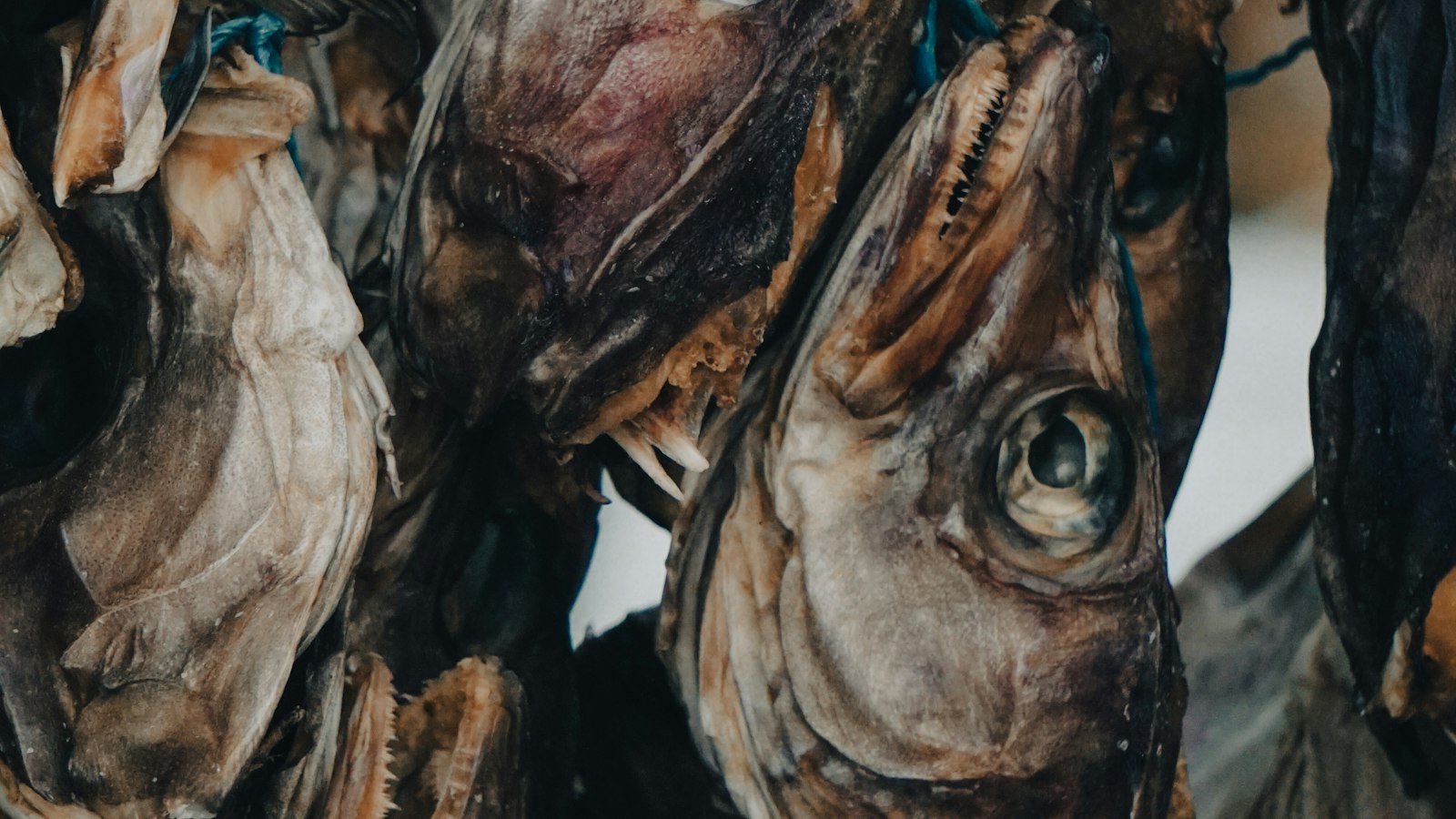
Icelandic cuisine offers a window into the island’s history, shaped by centuries of adaptation to a harsh climate and geographic isolation. From age-old preservation techniques to contemporary culinary experimentation, food in Iceland reveals how necessity and ingenuity have intertwined for generations.
A heritage of preservation and resourcefulness
With only a brief growing season and challenging weather, traditional Icelandic food made the most of resources such as lamb, fish, and dairy. Icelandic sheep, cows, goats, and horses, descendants of animals brought by early settlers from Scandinavia, adapted over centuries to the local landscape. These animals provided not only meat, but also milk for cheeses and skyr, a thick yogurt-like cheese unique to Iceland. Skyr has become one of the country’s hallmark foods, prized both historically and by modern chefs.
Because vegetables and grains were limited for much of Iceland’s history, animal products dominated the diet. The climate cooled even further from the 14th century, curtailing barley cultivation and forcing reliance on imports for cereals. Preservation became essential. Icelanders pickled, dried, smoked, and fermented meat and fish, creating strong flavours distinctive to the cuisine. Hákarl, fermented shark, is perhaps the most famous result, joined by cured skate, dried fish, and smoked lamb (hangikjöt). Rúgbrauð, a dense, sweet rye bread, often accompanies preserved foods, and is traditionally baked by burying the dough near hot springs.
Festive foods and culinary change
Certain dishes are reserved for special times of year. Þorramatur is a traditional buffet of cured meats and fish served during Þorrablót, midwinter festivals that take place in January and February. Alongside traditional foods like hangikjöt and hákarl, Þorramatur is served with rúgbrauð and brennivín, a potent Icelandic spirit.
Some treats, such as kleinur (fried dough twists) and laufabrauð (thin, intricately patterned breads), appear around holidays. Regional and seasonal ingredients also play a part: seabirds, their eggs, wild berries like crowberry and blueberry, mushrooms, Iceland moss, rhubarb, wild herbs, and seaweed have historically supplemented the diet. In rivers and lakes, salmon and trout have long provided extra sustenance.
From the 19th century onward, as ties with Denmark deepened, Danish cuisine influenced Icelandic tables. The diet slowly shifted as imported ingredients became more available, especially during the 20th century following economic growth driven by fishing and processing industries. Vegetable consumption has increased in recent decades, while fish remains central, today, Icelanders still eat far more fish than most other developed countries.
Modern Icelandic cooking now celebrates the quality and traceability of local products. Annual events like the Food and Fun chef’s competition encourage creative reinterpretations using fresh Icelandic ingredients. The legacy of Icelandic cuisine lies in its ability to honour tradition while embracing new ideas, continuing to evolve along with the nation’s tastes.
Sources
- Wikipedia
- Wikipedia (Icelandic) in Icelandic


