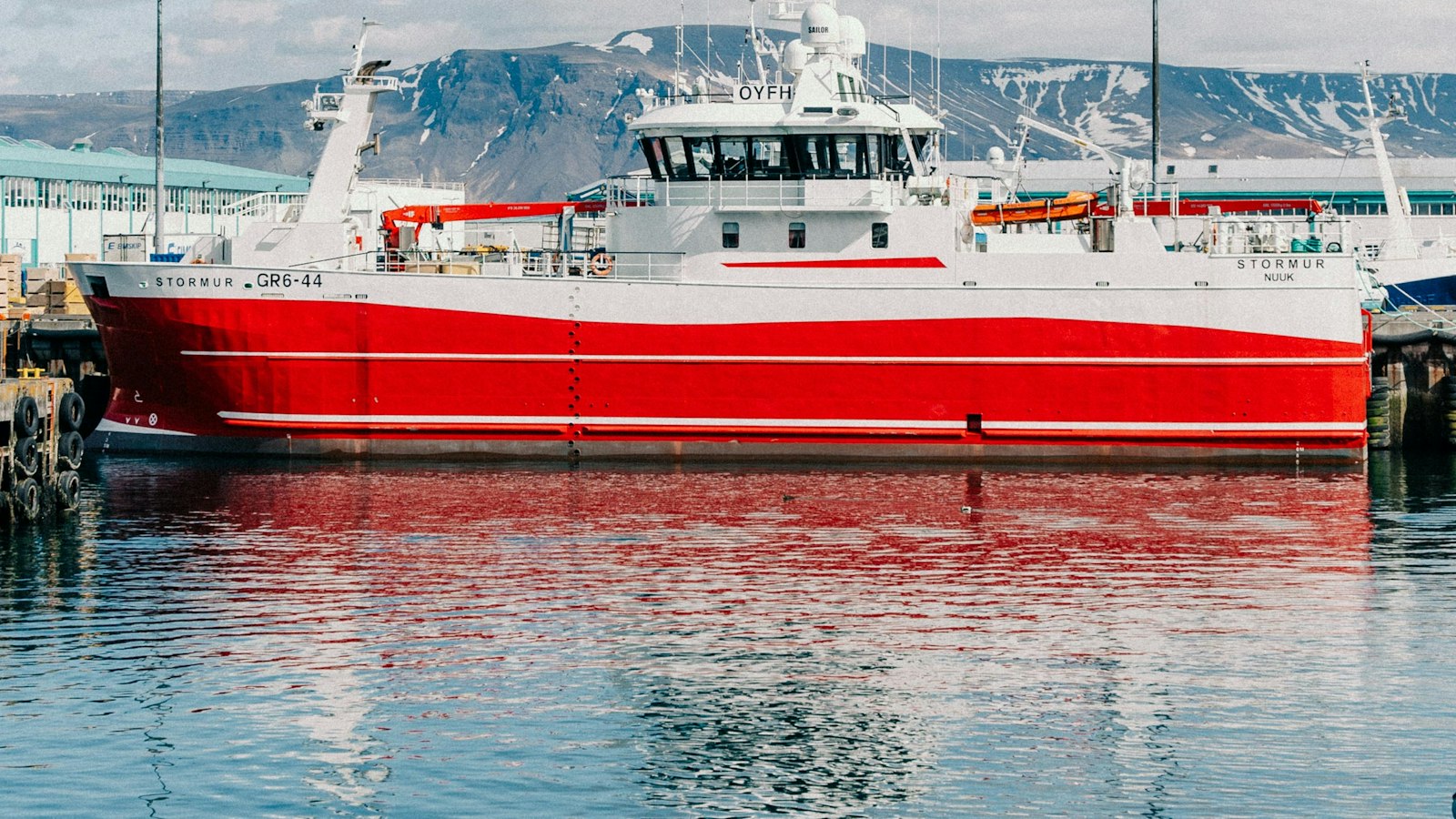
The Federation of Icelandic Fishing Vessel Owners (SFS) has released an analysis raising concerns about the potential impact of European Union (EU) membership on Iceland’s fisheries sector, according to Fréttin. The report says joining the EU could reduce Iceland’s ability to control foreign ownership in the industry.
According to the SFS analysis, foreign ownership in Iceland’s fishing industry has historically been very limited. Most of the sector’s value is reportedly generated domestically, with processing taking place within Iceland. However, the analysis warns that protections limiting foreign ownership would weaken if Iceland joins the EU, as current restrictions could not be maintained in their present form.
Further issues were highlighted in reporting by mbl.is, noting that experience from other EU countries shows national quota systems do not necessarily guarantee domestic ownership or control over use of fishing quotas. EU rules are said to restrict member countries’ abilities to prevent both the consolidation of quotas and the acquisition of fishing rights by foreign firms. In several countries, foreign operators have managed to gain control over catch rights by buying existing companies or creating subsidiaries.
Public debate about the future of fisheries ownership is ongoing. Benedikt Jóhannesson told Miðjan, “Can foreigners now acquire a large ownership stake in Icelandic fisheries companies? The answer is yes.” This quote was translated from Icelandic.
There has also been political controversy regarding a potential referendum on continuing EU accession talks. Members of the Viðreisn party’s parliamentary group said they were not consulted about when the referendum would take place. Jón Gnarr expressed dissatisfaction over this, and Pawel Bartoszek, the group chair, confirmed the group had not been included in the decision-making about the date.
Sources
- Fréttin (first reported) in Icelandic
- mbl.is in Icelandic
- Miðjan in Icelandic
- mbl.is in Icelandic