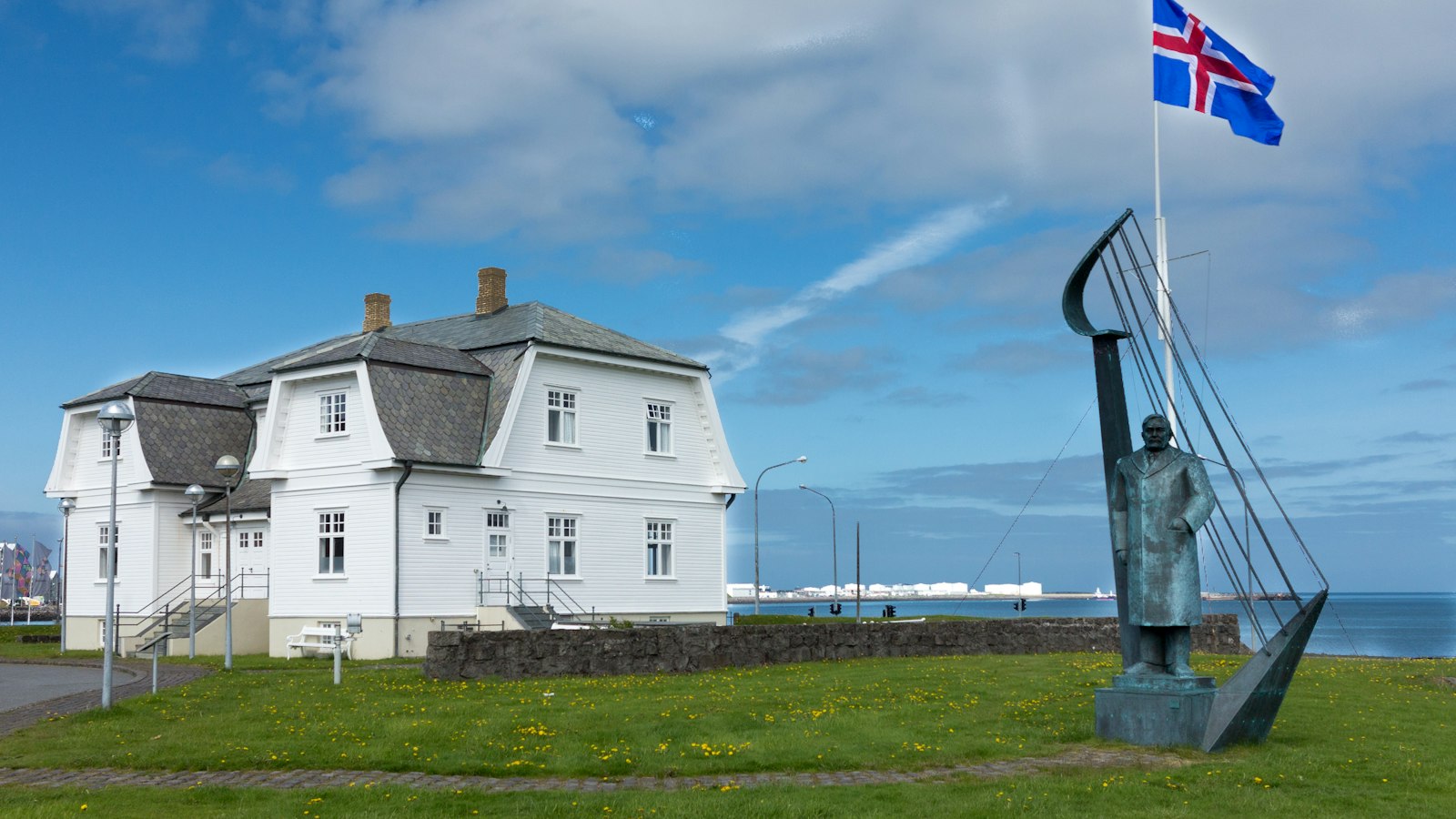
On 11 and 12 October 1986, Reykjavík narrowly avoided becoming the site of a historic nuclear agreement. Presidents Ronald Reagan and Mikhail Gorbachev met at Höfði House, a modest building on the city’s shoreline, for talks that both governments assembled in less than two weeks. What took place there became a decisive moment in the final years of the Cold War.
Behind closed doors in Höfði House
The summit was arranged at remarkable speed after Gorbachev suggested a face-to-face meeting in Iceland instead of waiting for a more formal summit later on. Security measures swept across Reykjavík: neighbouring homes were emptied, bulletproof vehicles were deployed, and watchfulness increased at every point of entry to the country. Around 400 people attended as part of each delegation, with approximately a thousand journalists arriving to observe one of the defining encounters of the decade.
Reykjavík’s selection as the venue was not inevitable. For a time, other locations such as the grand Hótel Saga or even Kjarvalsstaðir, where presidents from France and the US met in 1973, were under consideration. Ultimately, the secluded nature of Höfði House, perched near the north Atlantic, suited the intensity and privacy required for the discussions ahead.
Debating the fate of nuclear arms
At the negotiating table, Reagan and Gorbachev found themselves searching for common ground on arms reduction while still deeply wary of one another’s intentions. A diplomatic storm had only just passed, involving both a Soviet physicist accused of spying in the United States and an American journalist held in the Soviet Union. These disputes were resolved just ahead of the summit, clearing the way for talks to proceed.
Gorbachev advocated abolishing all ballistic missiles and, in a dramatic step, subsequently put forward to eliminate every nuclear weapon within a decade. The Americans responded with their own proposals, including erasing all intermediate-range nuclear forces (INF) from Europe and shrinking other arsenals by half. However, both leaders clashed over Reagan’s Strategic Defense Initiative, often called “Star Wars,” which envisioned missile defences in space. Disagreement on whether such programmes should be permitted or researched caused the talks to finally break down in frustration.
As the summit ended without agreement, observers recalled the photograph of Reagan and Gorbachev leaving Höfði House, anger and disappointment written across their faces. Yet the discussion opened paths previously closed, including the first meaningful talks on issues like human rights, permitted foreign inspections, and the emigration of Soviet Jews.
What seemed a disappointment at the time later revealed itself as a breakthrough. The openness about possible compromises helped bring about the landmark Intermediate-Range Nuclear Forces Treaty (INF) the following year. In popular memory, the Reykjavík Summit became a key moment that shifted the conversation between superpowers from suspicion to dialogue, all from a quiet corner of Iceland’s capital.
Sources
- Wikipedia
- Wikipedia (Icelandic) in Icelandic


