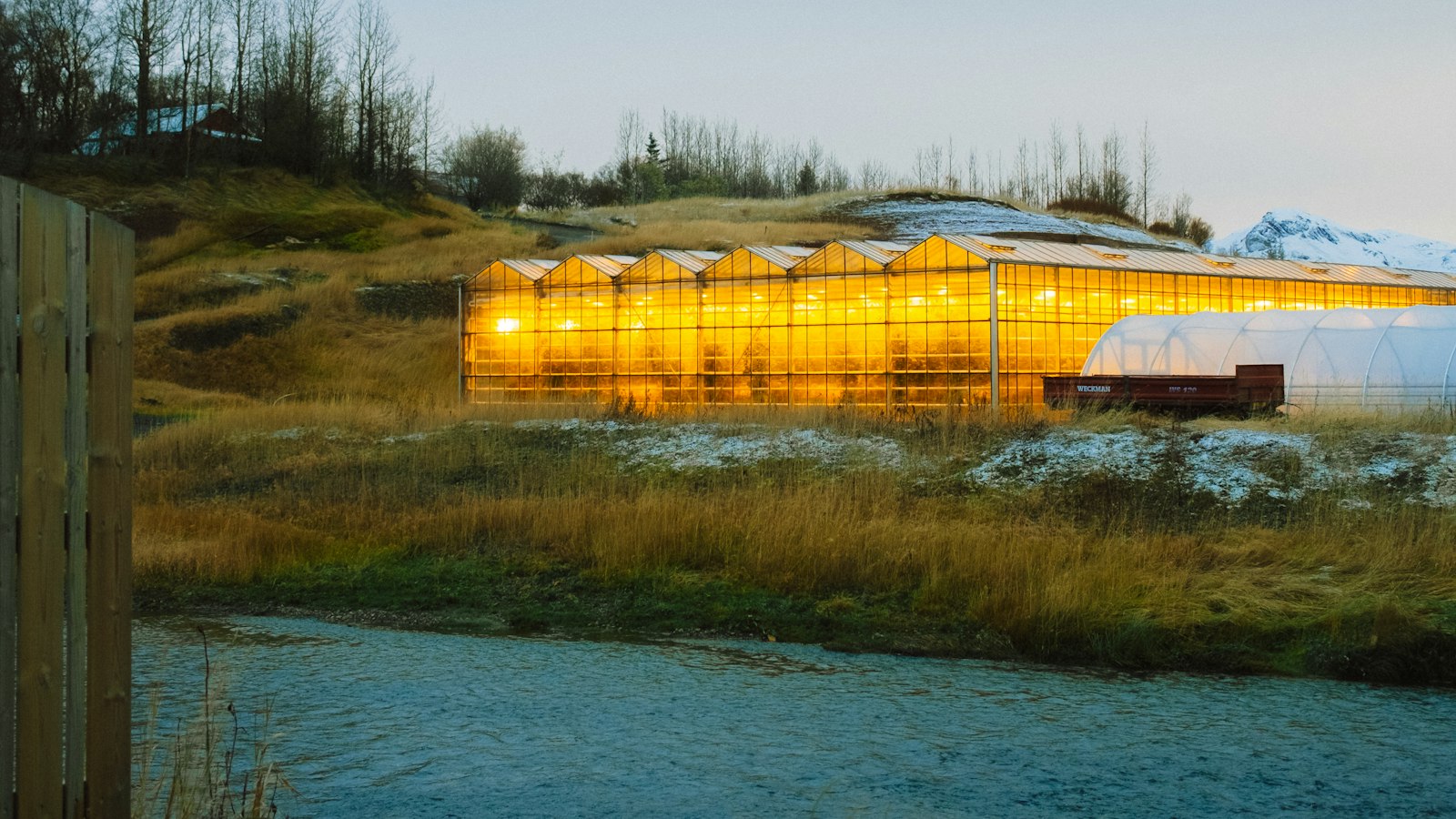
Bananas may seem like an unlikely crop for a country just below the Arctic Circle, but Iceland boasts a peculiar chapter in the fruit’s global story. Iceland’s heritage of greenhouse agriculture has allowed bananas to grow here, combining geothermal ingenuity with adaptation to a challenging climate.
A mid-century experiment fueled by geothermal energy
The Icelandic experiment with banana farming began in 1941, when the first banana plants managed to bear fruit on the island. These initial successes led to a modest but notable commercial industry after World War II, capitalising on Iceland’s abundance of geothermal heat and the high prices attached to imported fruits during that period.
From 1945 through the late 1950s, local greenhouses produced bananas for sale. The process, however, was slow: while bananas near the equator can ripen in just months, Iceland’s low winter sunlight meant it took as long as two years for the fruit to mature here. As many as 100 clusters were harvested each year, ranging between 5 and 20 kilograms per bunch.
This venture had a significant setback in 1960, when the government eliminated tariffs on imported fruits. With foreign bananas suddenly cheaper and faster to produce, Icelandic bananas rapidly lost ground in the market and soon disappeared from store shelves.
The myth and the modest reality
Stories about Iceland as a European banana powerhouse have spread widely, making their way into books and even British television. In reality, statistics from the Food and Agriculture Organization confirm that France, Spain, and Portugal are the leading European banana producers thanks to their overseas territories and Mediterranean islands.
Today, banana cultivation in Iceland is largely symbolic. The Agricultural University of Iceland in Hveragerði tends the country’s last substantial crop, with 600–700 plants in a tropical hothouse. These plants are the legacy of earlier commercial growers who donated them as the industry wound down. While the greenhouse still yields about 100 clusters a year, nearly all are consumed by the university’s own students and staff.
As a result, almost all bananas eaten in Iceland today, amounting to more than 18 kilograms per person annually, are imports. Nonetheless, these greenhouse bananas serve as a quietly persistent reminder of the country’s capacity to adapt and experiment, finding warmth and growth in the most unexpected places.


