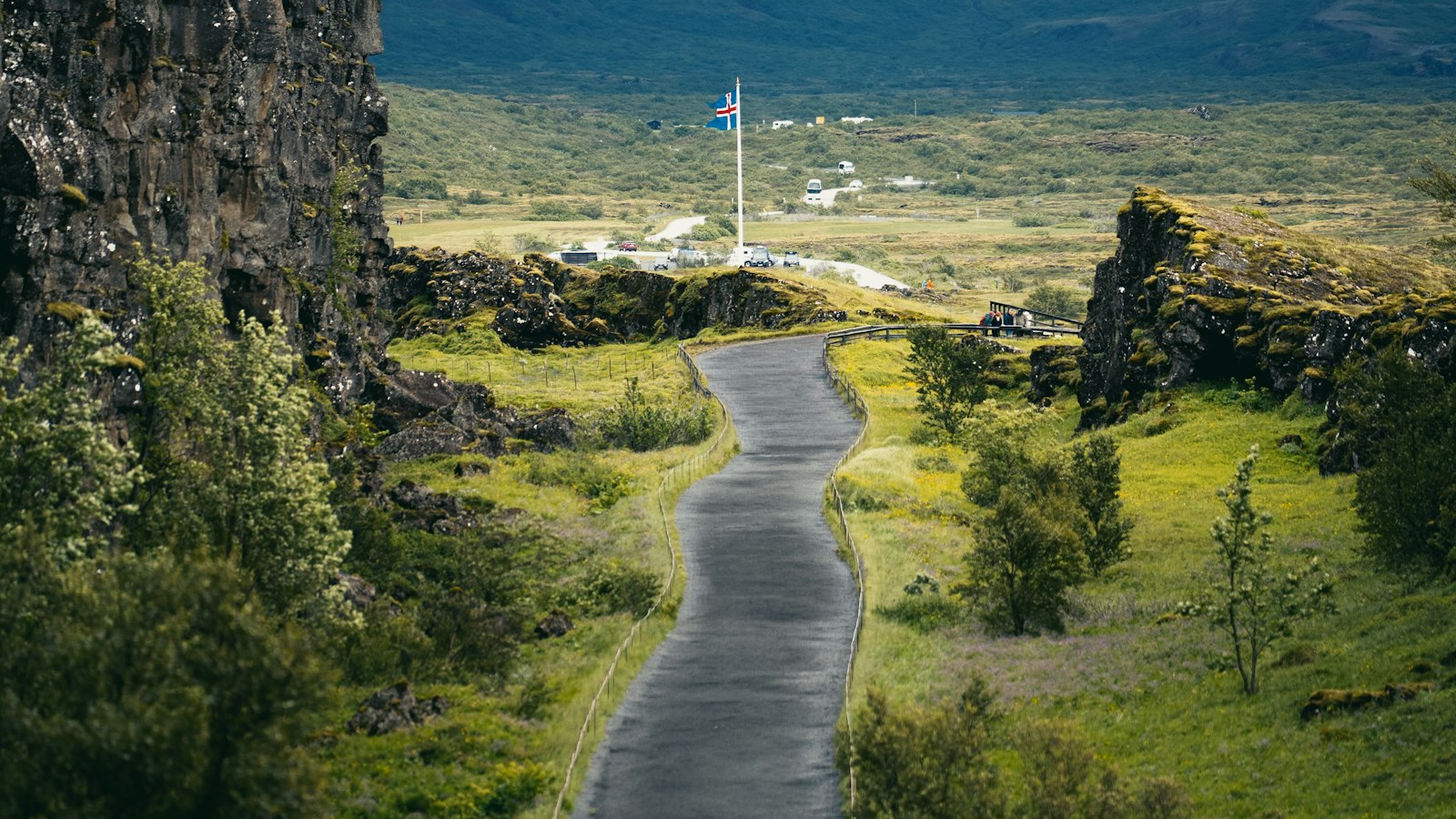
The people of Iceland (Íslendingar) offer a unique example of how geography, history and genetics have come together to shape a cohesive national identity. Isolated in the North Atlantic, Iceland’s population maintains strong ties to its origins, language, and the events that shaped its society over centuries.
The beginnings: settlement and ancestry
Human settlement in Iceland began late compared to the rest of Europe. Although its land is about 20 million years old, the first recorded habitation dates to 874 CE. Early reports from sailors like Gardar Svavarsson led to the first intentional voyage, made by Flóki Vilgerðarson, who is credited in ancient manuscripts as having named the island Ísland, meaning Iceland. Ingólfur Arnarson, a Norwegian chieftain, is commonly acknowledged as the first permanent settler, founding a homestead at what is now Reykjavík, the Bay of Smokes.
The initial wave of settlers travelled over a thousand kilometres from Norway, along with their families, livestock, and even slaves. Many of these arrivals were fleeing the consolidation of Norway by its first king, Harald Fairhair. Genetic and historical data describe a population with mixed Norse paternal and Gaelic maternal roots. Most male settlers had origins in western Norway, while a significant portion of the women came from Scotland and Ireland. This blend is still apparent in modern Icelandic DNA. Over generations of relative isolation, the country maintained its unique gene pool and comprehensive family records.
Turning points in Icelandic history
Within decades of settlement, by 930, Icelanders founded the Alþingi (Althing), one of the world’s earliest parliamentary assemblies, on the plains at Þingvellir. This gathering allowed chieftains to manage disputes and make laws, setting the stage for a tradition of national self-governance.
Despite this early self-rule, Iceland experienced periods of foreign rule. Rivalries between chieftains led to Norway taking over as an arbitrator in the 13th century. Later, the island was ruled by Denmark. Foreign dynasties brought changes that sometimes led to hardship: at one point, restrictive trade policies, constant piracy and climate downturns contributed to Iceland’s decline.
The eruption of Laki in 1783–84 was a catastrophic moment. Massive lava flows, toxic gases and climate cooling led to widespread livestock deaths and a famine in which up to a third of Icelanders died. The devastation was known as the Mist Hardship (Móðuharðindin) and left deep imprints on national memory.
Modern identity and society
Stirrings of independence reappeared in the 19th century. Leaders like Jón Sigurðsson argued for increased autonomy and economic development. After the end of a centuries-long trade ban and with the adoption of a constitution in 1874, Iceland grew more connected to Western Europe.
Full sovereignty returned in 1918, with the Kingdom of Iceland declaring its independence from Denmark, followed by the establishment of a republic in 1944. The Icelandic language continued as a core element of identity, and Lutheranism remained the dominant religion.
Today’s Icelanders remain remarkably connected to their early history, not only through language and literature, but by the preservation of old family lines that reveal their Norse and Gaelic forebears.
Sources
- Wikipedia
- Wikipedia (Icelandic) in Icelandic


