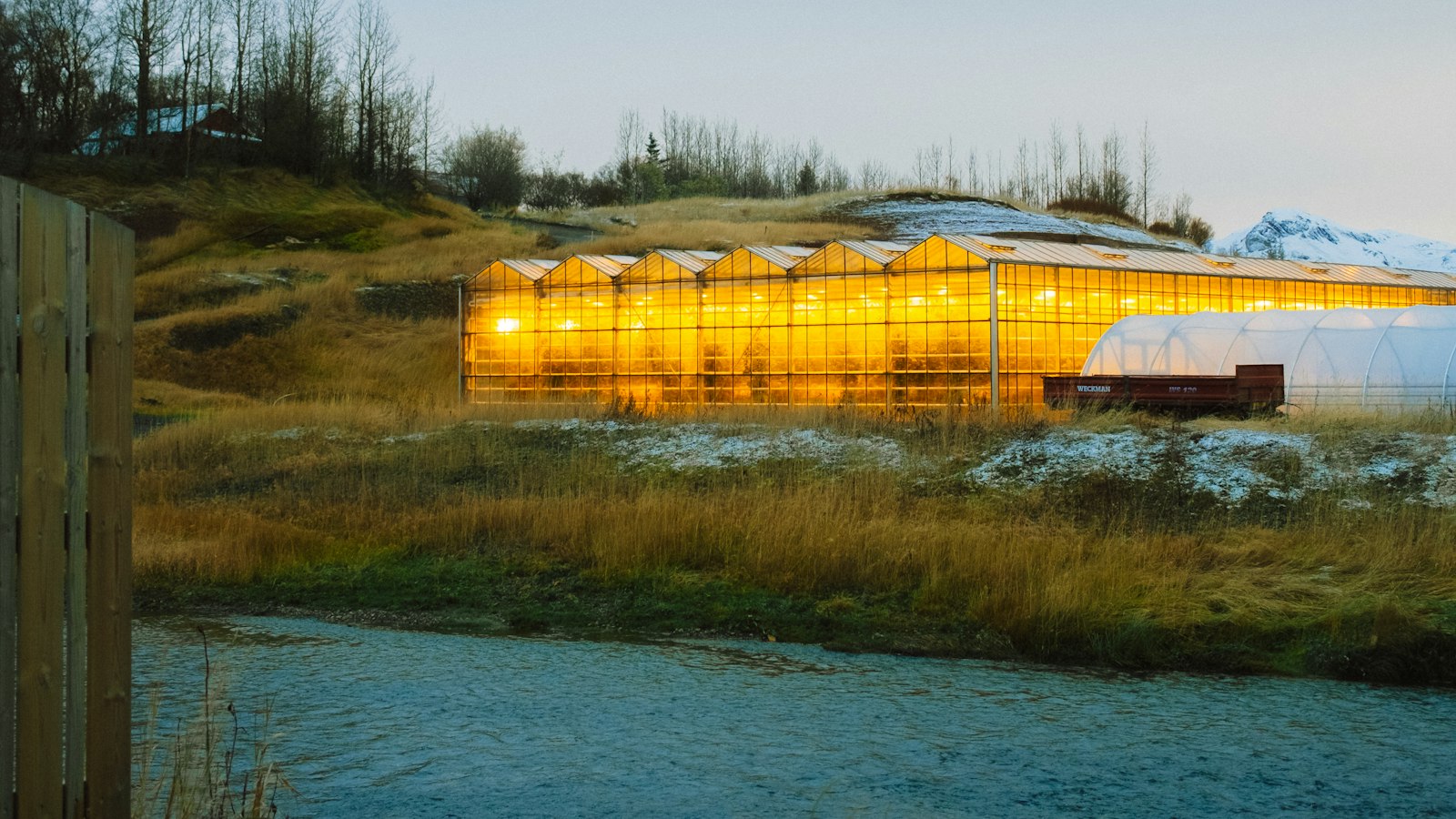
For centuries, agriculture formed one of the pillars of Icelandic society, alongside fishing and fish processing. When Norwegian settlers arrived on the island’s rugged coastline in the late ninth century, they brought with them livestock and farming traditions shaped by their needs for survival in a challenging environment. Today, agriculture remains deeply woven into the national story, though its place in Icelandic daily life has transformed dramatically over time.
The earliest Icelandic farmers relied on sheep, cattle, horses and goats, which accompanied settlers from Norway. Each animal offered particular advantages. Sheep, once the backbone of rural livelihoods, could graze outside during harsh winters, providing invaluable wool and food. Cattle, another mainstay, yielded dairy products crucial for overwintering and also contributed to the country’s food supply. These early farms not only shaped diets but also the very landscape, causing widespread erosion and deforestation that continue to be visible.
From subsistence to self-sufficiency
During the 19th century, as many as 70–80% of Icelanders derived their living from farming. Over the decades that followed, urbanisation and industrial shifts have seen this figure drop steeply, now comprising less than 5% of the total population. Commercial scale agriculture in Iceland is limited by geography: just 1% of the country’s 100,000 square kilometres is classified as arable land, nearly all of it located in the peripheral lowland regions and historic farming heartlands such as Suðurland, Borgarfjörður and Eyjafjörður.
Today, livestock remains central. Sheep and cattle farming are the principal rural occupations, though poultry and pig farming have steadily increased. Iceland is self-sufficient in meat, dairy, and eggs, with respective annual productions including about 8,400 tonnes of lamb and mutton, 9,700 tonnes of poultry, 6,200 tonnes of pork, and 4,900 tonnes of beef. Dairy production is high at around 150,000 tonnes yearly, and Iceland’s sheep still yield over 500 tonnes of wool annually, a resource that shaped rural economies for generations.
Harnessing geothermal power in agriculture
Despite a northern latitude and a cool climate, Icelandic farmers cultivate a wide range of food crops. Greenhouses heated by geothermal energy enable the growth of tomatoes, cucumbers, green peppers, and even exotic fruits like bananas and grapes, though the latter are rarely grown commercially. Outside, farmers grow potatoes, root vegetables, cabbage family plants, and strawberries. Fodder crops such as grass, rye and barley flourish thanks to the exceptionally long daylight in summer, which compensates for the short growing season.
The unique Icelandic climate also brings unexpected advantages. Fewer insect pests mean that agriculture here uses minimal pesticides and herbicides. Low population density further helps preserve a clean environment, and these conditions have given rise to a small but growing organic sector. Traditionally, food production was bolstered by foraging and coastal hunting, reflecting how Icelanders have long adapted their foodways to the land’s demands.
Agriculture today is still supported by public policy and farmer organisations, with state assistance provided both by direct payments and tariff protection. The industry, however, now makes up less than 1% of Iceland’s gross domestic product and under 2% of total employment, clear evidence of the changes that have redefined rural life since the days of the first settlers.
Sources
- Wikipedia
- Wikipedia (Icelandic) in Icelandic


