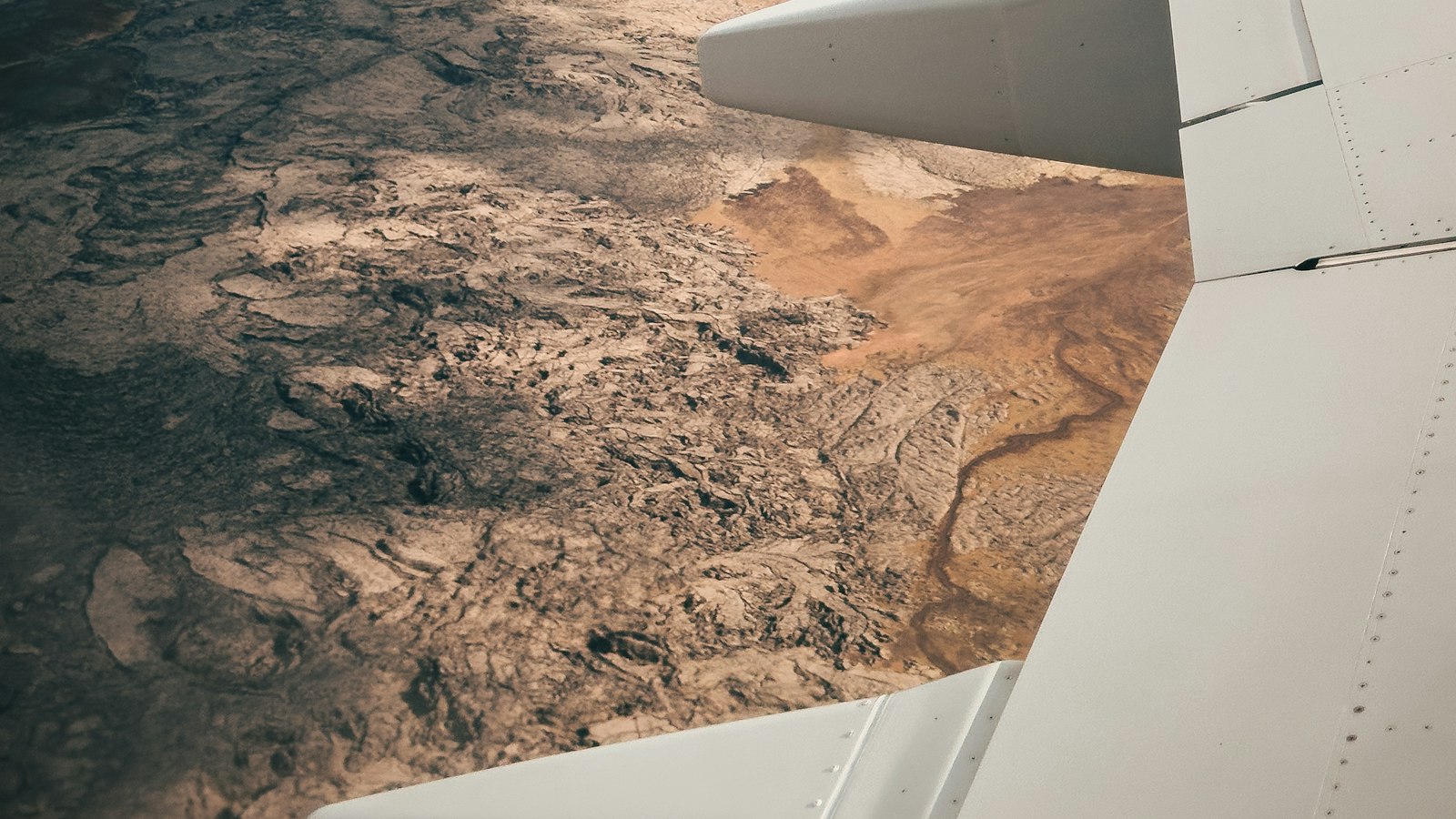
A small country with a sparse population, Iceland can sometimes seem far from the heart of global industries. Yet one company based in Kópavogur, just outside Reykjavík, has managed to insert itself into the very centre of international aviation. Air Atlanta Icelandic, founded in 1986 by Captain Arngrímur Jóhannsson and Þóra Guðmundsdóttir, has steadily grown into a vital player in aircraft leasing and charter operations worldwide.
Origins in a growing market
The mid-1980s were a time of transformation and opportunity in commercial aviation. Air Atlanta Icelandic began operations in the same year it was founded, securing its first contract by providing a Boeing 707-320 to Caribbean Airways for its London–Barbados service. The company soon saw a niche in leasing aircraft, together with full crews, maintenance and insurance, a business model known in aviation as ACMI (Aircraft, Crew, Maintenance, Insurance). This allowed airlines facing temporary surges in demand, or without enough aircraft of their own, to charter whole planes and crews from Air Atlanta Icelandic.
By the late 1980s, Air Atlanta Icelandic was leasing planes for pilgrimage flights, such as the annual Hajj trips for Air Afrique and Saudia, and supplying aircraft to major names like Sudan Airways, Lufthansa and Finnair. The company’s capacity to respond quickly and provide large aircraft made it an attractive partner for airlines across continents.
From Iceland to the world
The company’s operations rapidly became global. In 1991 it began flying passengers under its own airline certificate, and soon after participated in United Nations peacekeeper airlifts between the former Yugoslavia, Nigeria and France. During the 1990s, Air Atlanta Icelandic acquired rights to operate from various countries as far-flung as the United States, the Philippines and Portugal, offering both domestic and international charter flights.
Air Atlanta Icelandic expanded its fleet with widebody aircraft, notably the Boeing 747. These large planes were leased not just for regular flights but also for unusual assignments, such as airlifting entire sports teams or serving as the tour plane for iconic music groups like The Rolling Stones and Iron Maiden. In fact, for Iron Maiden’s Book of Souls World Tour in 2016, the airline provided a specially marked Boeing 747 (dubbed “Ed Force One”), highlighting the flexibility and international scope of its operations.
Over the years, Air Atlanta Icelandic was involved in various airline mergers, stakeholds and new ventures. Its presence included a subsidiary in Malta (Air Atlanta Europe), and investments in other airlines such as Excel Airways and Star Airlines in France. The company streamlined its focus at times, for example moving from passenger to air cargo operations in 2007, yet continued to operate in both spheres.
Even as of 2026, the global aspect of Air Atlanta Icelandic endures. The company’s fleet includes widebody Boeing 747-400Fs and a Boeing 777-200ER, operating cargo flights on behalf of other airlines and connecting cities such as Jeddah, Brussels, Dhaka, New York and Hong Kong. Strategic partnerships, such as the one agreed with Atlas Air Worldwide Holdings in May 2026, further connect the Icelandic firm with the broader network of international air transport.
For a country that often finds itself between continents, Air Atlanta Icelandic illustrates how Icelandic ingenuity and aviation expertise can quietly shape the connections that underpin global travel and trade.
Sources
- Wikipedia
- Wikipedia (Icelandic) in Icelandic


