Barrow’s goldeneye, known in Icelandic as húsönd, stands out not only for its striking appearance but also for its unusual presence in Europe. Outside of North America, it breeds only in Iceland, making the country home to Europe’s only established population. The species takes its name from Sir John Barrow, while its scientific name, Bucephala islandica, nods both to its rounded head shape and to Iceland itself.
Unique breeding in Iceland
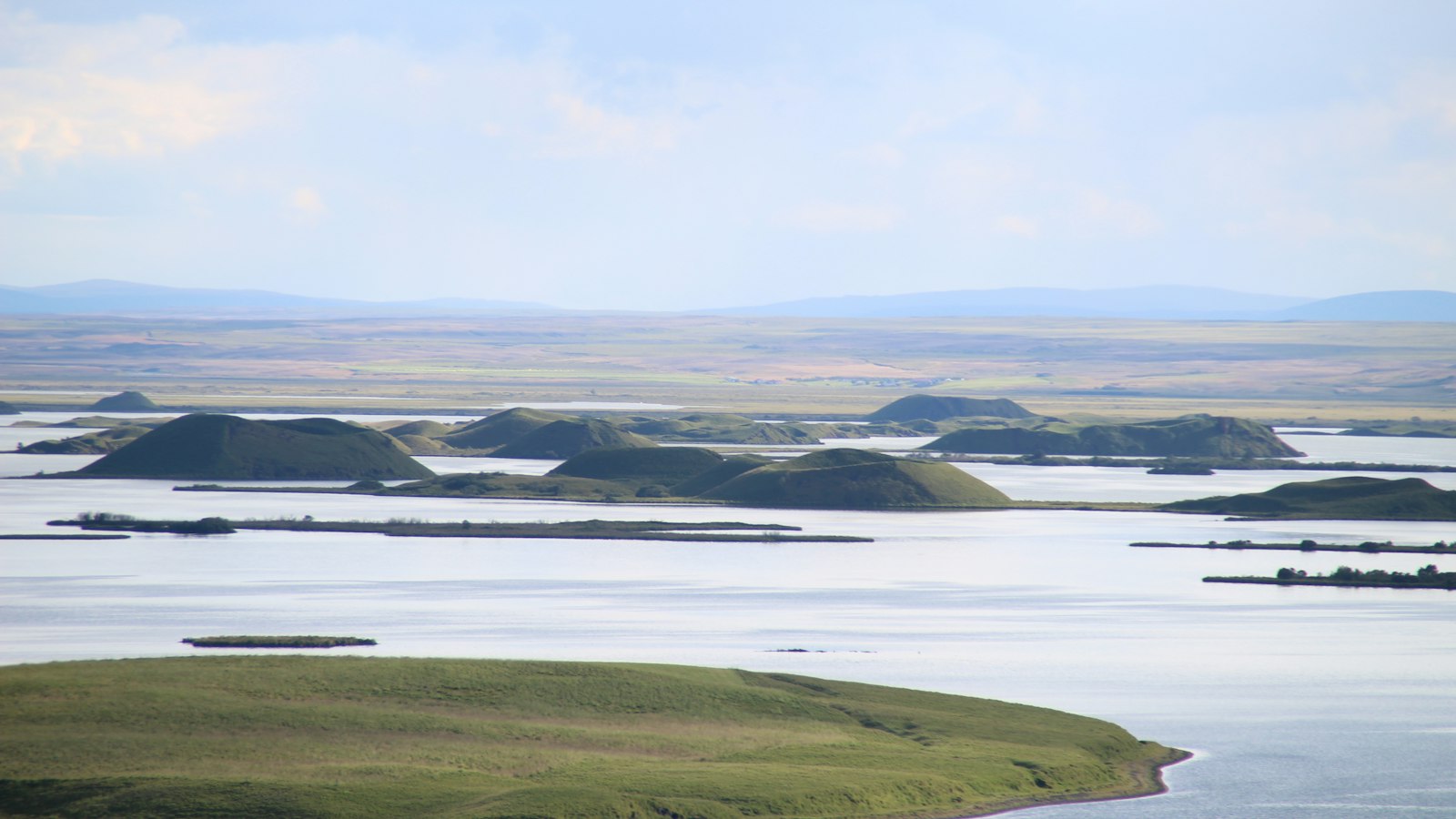
In the natural world of Iceland, Barrow’s goldeneye ducks are most commonly seen at Lake Mývatn and in the Veiðivötn area. These ducks choose remote habitats far from busy urban life. Unlike their North American relatives, which often nest in the cavities of large trees, Icelandic Barrow’s goldeneye have adapted to use crevices in lava fields and even outbuildings as nesting sites. They are not known to breed anywhere else in Europe.
A typical nesting season sees the female selecting and maintaining the nest, usually laying between six to twelve eggs of notable size for a duck. In Iceland, the species is strictly protected, reflecting its rarity and local importance.
Behaviour and daily life
Barrow’s goldeneye is a medium-sized diving duck with differences between sexes: males develop a glossy, dark head marked by a white crescent, while females are smaller with distinct yellow bills. Both sexes share a round-headed profile which originally inspired the genus name, coming from ancient Greek for “bullheaded.”
This duck is not known for being particularly vocal except during the breeding season, offering only subdued calls and, when in flight, a low whistle from rapid wingbeats. They display pronounced territorial behaviour, especially among males, who perform brief demonstrations on water or land to establish dominance, sometimes escalating into direct confrontations.
Feeding habits reflect their expertise as divers. Barrow’s goldeneye forages underwater, seeking out aquatic insects, pond vegetation, and a variety of crustaceans, especially marine species like Gammarus oceanicus and Calliopius laeviusculus. Mollusks and other small aquatic animals also form a significant part of their diet.
Seasonal migrations are part of their life cycle. They winter in calmer waters along coasts or large inland lakes, with Iceland’s populations relying on undisturbed wetlands. After breeding, they migrate to molting sites, during which they temporarily lose the ability to fly as old feathers are replaced.
Within Europe outside Iceland, Barrow’s goldeneye remains a rarity. There have only been three accepted records from Scotland of birds believed to be wild. Globally, the population suffered in the aftermath of the Exxon Valdez oil spill of 1989, which devastated important winter habitat in the northeast Pacific.
Sources
- Wikipedia
- Wikipedia (Icelandic) in Icelandic


