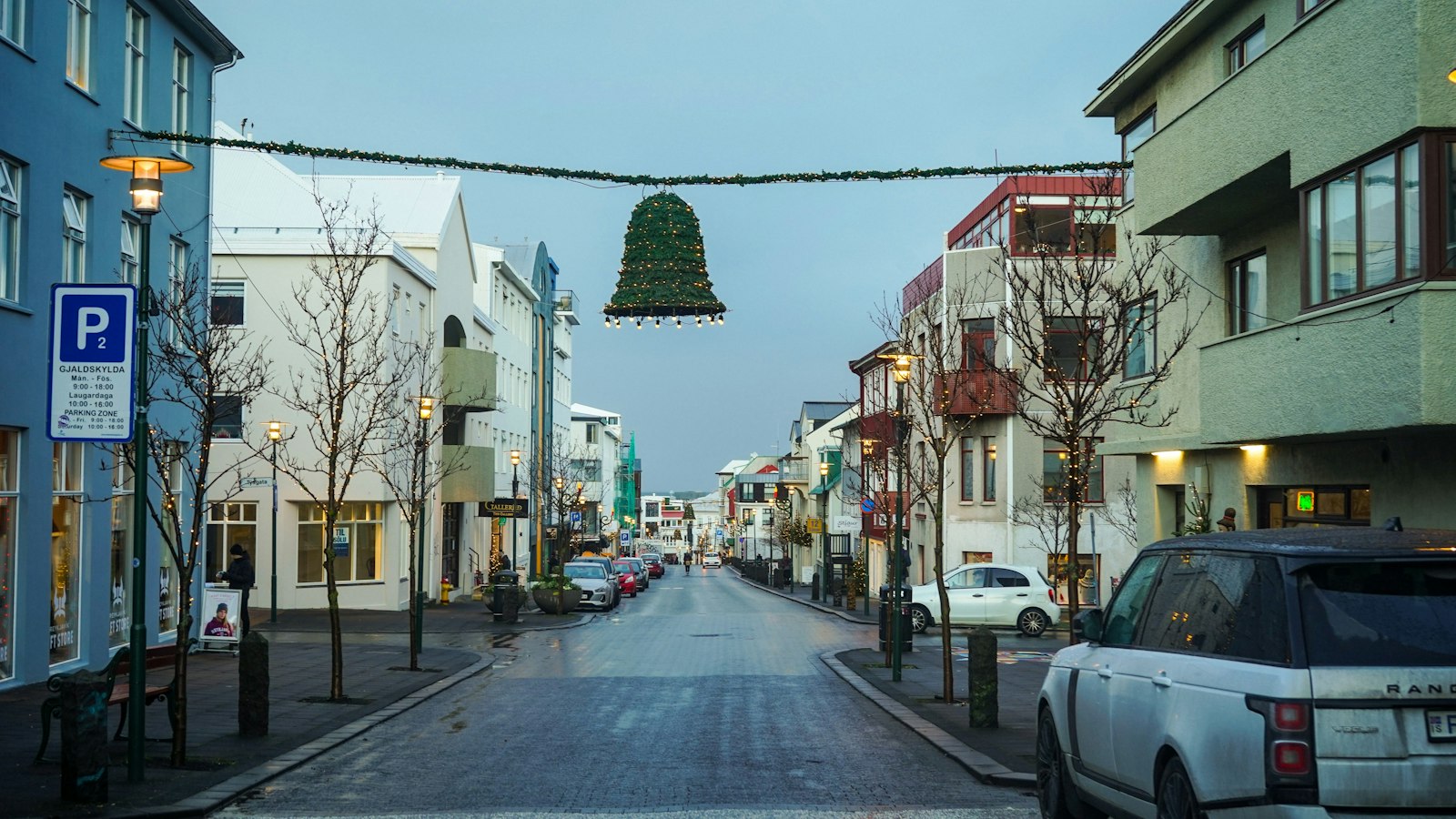
Christmas in Iceland, locally called Jól, is not just a single day but a multi-week festival marked by candlelight, folklore and togetherness. The formal celebrations begin on 24 December, called Aðfangadagur, after four Sundays of anticipation. Each Sunday leading up to this evening, a new candle is lit, and by the 24th, four warm points of light glow in Icelandic homes.
Folklore and festive rituals
Thirteen days before Aðfangadagur, a tradition delights the children of Iceland. Each night, children leave their shoes by the window, hoping for a surprise from one of the 13 Yule Lads, or jólasveinarnir. These mischievous figures, sons of the trolls Grýla and Leppalúði who are said to reside in the mountains, each have a reputation for different pranks. Stealing meat, slamming doors or even nibbling candles are just some behaviours among the Yule Lads. Originally portrayed in Icelandic wool clothing, these characters have become associated with the globally recognised red and white costume.
On Christmas Eve, as church bells ring out at 6:00 p.m., families begin their celebrations. Some choose to attend mass, while others gather for a holiday meal that may feature traditional fare such as smoked lamb, ptarmigan, turkey or the local favourite glazed ham (called hamborgarhryggur). Once dinner is over, the custom of giving and opening presents unfolds by the twinkling lights of the Christmas tree set up indoors, often decorated on 11 December.
Food, baking and farewells
Food brings families together throughout the season. In homes across Iceland, it is common to prepare and share thin gingerbread cookies, often decorated with colourful glazes, as well as laufabrauð, a delicately patterned flatbread created using special cutting tools and techniques. Another distinctive custom occurs on 23 December, marked as Saint Thorlak mass (Þorláksmessa), when many households boil skate, a local fish, filling kitchens with an unmistakable scent.
As December turns to January, Icelanders mark the end of the year on Gamlársdagur (Old Year’s Day) with the spectacle of fireworks, ushering in Nýársdagur (New Year’s Day). The season then draws to a close thirteen days after Christmas Eve, on Þrettándinn, a night imbued with folklore. Icelanders gather around bonfires and symbolically send off the Yule Lads, elves, and trolls until the magic of the next Jól arrives.


