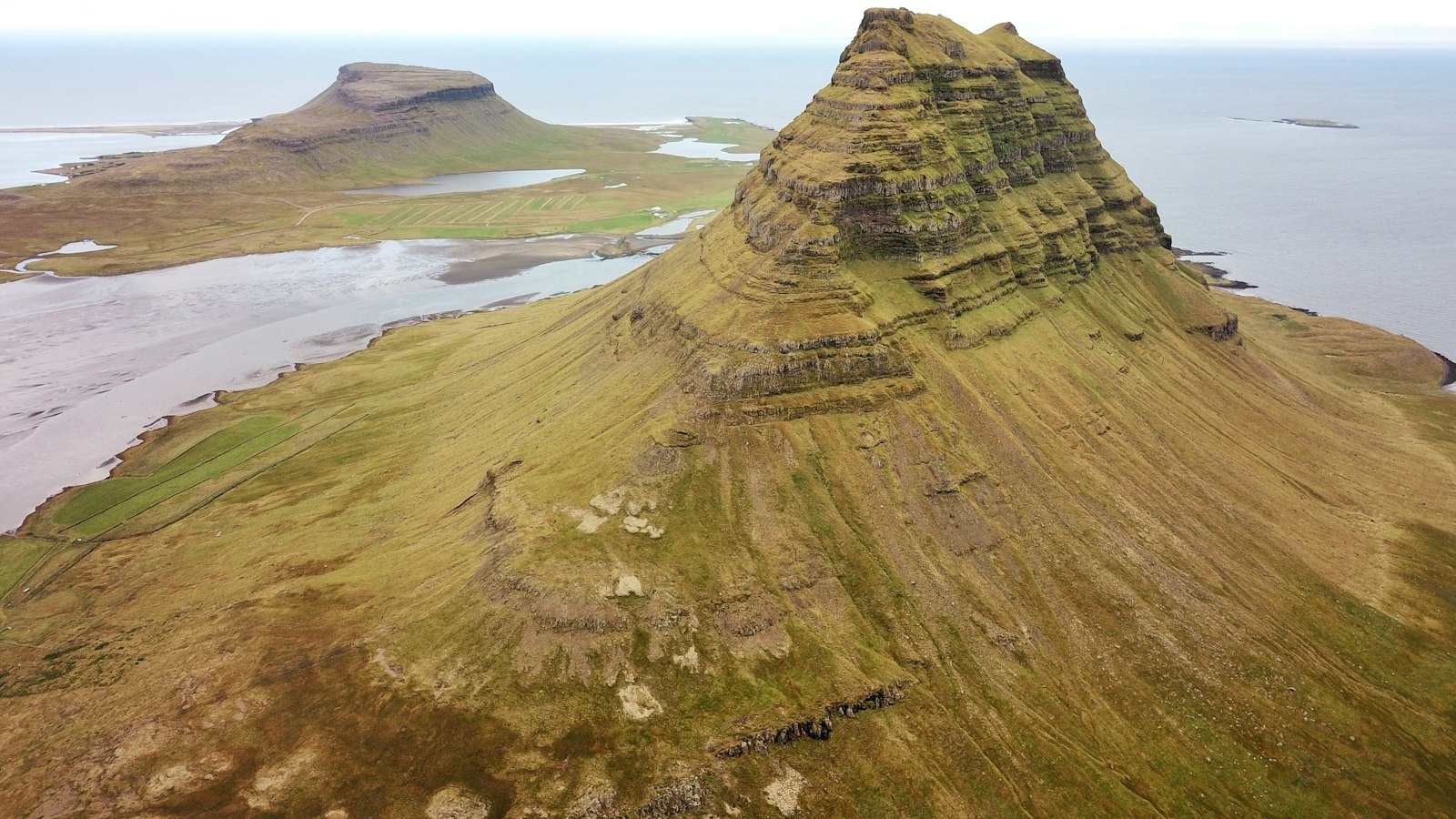
Haffjarðará, which means “ocean fjord river” in Icelandic, is a clear, medium-sized river at the threshold of the Snæfellsnes peninsula. It starts its journey at Oddastaðavatn lake and covers about 20 kilometres before reaching the ocean. The river is known among Icelanders for its pristine waters and for being home to a vibrant population of native Atlantic salmon.
The salmon of Haffjarðará hold a unique place in the region. The river’s stock is entirely natural, no young salmon, or parrs, have been introduced to boost numbers. Instead, the fish population remains healthy and sustainable, a point of pride for those who know the river’s history. In 1974, Haffjarðará became a fly-fishing only river, creating a tradition that continues today. Perhaps the greatest testimony to the salmon’s abundance came in 2013, when fishers caught a record 2,156 salmon in a single season using just four to six rods.
Scene of saga and family legacy
Centuries before anyone kept fishing records, Haffjarðará ran through the pages of Grettis saga, one of Iceland’s most famous medieval stories. In this tale, Grettir the Strong, a legendary outlaw, chased an opponent named Gisli toward the swollen river. Grettir grabbed a thick branch, captured Gisli, and used the branch to land a stinging punishment across Gisli’s back. The beaten Gisli managed to swim across the river and reach shelter, where he spent a week recovering from the encounter, a vivid episode that roots the river in Icelandic literature.
In modern times, the early 20th century saw Haffjarðará become the centrepiece of a family endeavour. Thor Philip Axel Jensen began acquiring surrounding farmland in 1909 and over time brought much of the river and its fishing rights, half of which had previously belonged to the Church, under his ownership. By 1918–1920, Thor had constructed two bright red, corrugated iron houses near the main road to serve as a fishing lodge and service buildings. These structures still greet visitors with their red walls and green roofs. The family tradition continued upstream, where a summer house named Kvörn was built close to one of the river’s waterfalls.
The river links family history with political life as well. In July 1923, Thor’s son Ólafur Thors, later to become Iceland’s prime minister, fell from his horse while riding near Haffjarðará and suffered a serious head injury. The injury left him unable to stand as a parliamentary candidate later that year.
Haffjarðará today
Ownership of the river estate has changed hands since 1986. Today, Óttar Yngvason is the owner, continuing the tradition of caring for this unique watercourse. Haffjarðará serves as a border between the municipalities of Eyja- og Miklaholtshreppur and Borgarbyggð.
Sources
- Wikipedia
- Wikipedia (Icelandic) in Icelandic


