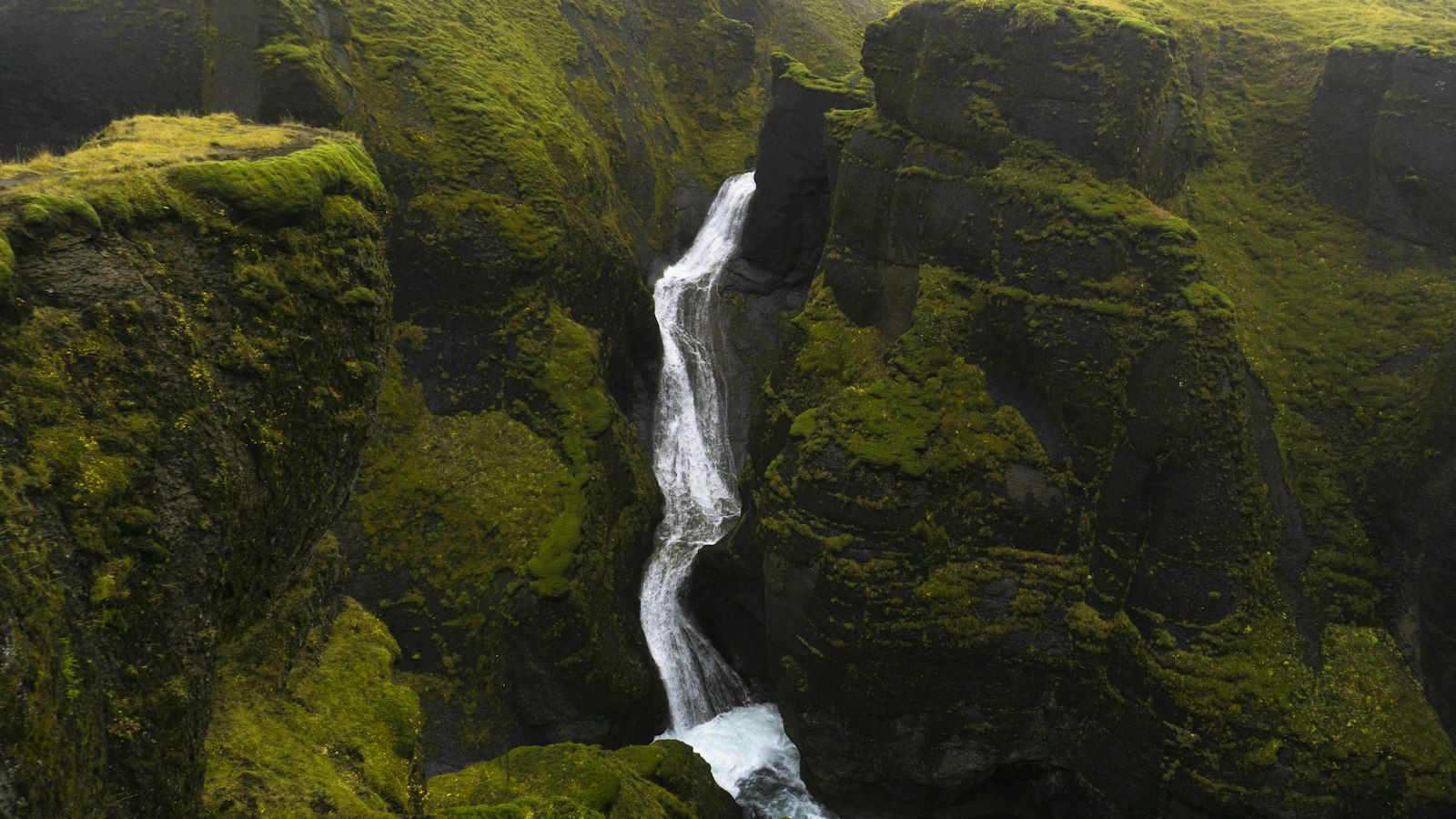
Glymur waterfall stands as the second tallest waterfall in Iceland, with a drop of 198 metres (650 feet). Located in the picturesque Hvalfjörður fjord, not far from Reykjavík, Glymur was thought to be the country’s highest for centuries until 2011, when a new waterfall, Morsárfoss, was discovered to be taller.
The waterfall flows down a narrow canyon into the Botnsá river, so visitors rarely see the entire cascade from a single viewpoint. Along the descent, Glymur creates several smaller falls, all set against a backdrop of rugged Icelandic scenery.
Reaching the base of the waterfall requires a hike that typically takes between one and a half to two hours. The path can be demanding, involving river crossings and passing through a cave, so proper footwear and preparation are recommended. The trail’s challenges are rewarded by striking views of the falls and their surrounding landscape, making the area popular with photographers and those interested in Icelandic nature.
Folklore and the meaning of Glymur
The name Glymur is linked to an Icelandic legend. According to the tale, a man was transformed into a whale by an elf woman after betraying her. The whale became notorious for sinking boats in Hvalfjörður, resulting in the drowning of two sons of a local priest. The grieving priest is said to have lured the whale up the Botnsá river until it crashed in the canyon where Glymur now falls. The crash caused an earthquake and a loud echoing noise, which gave the waterfall its name: Glymur means a “loud, echoing rumble” in Icelandic.
This story adds a layer of intrigue to an already impressive natural site.