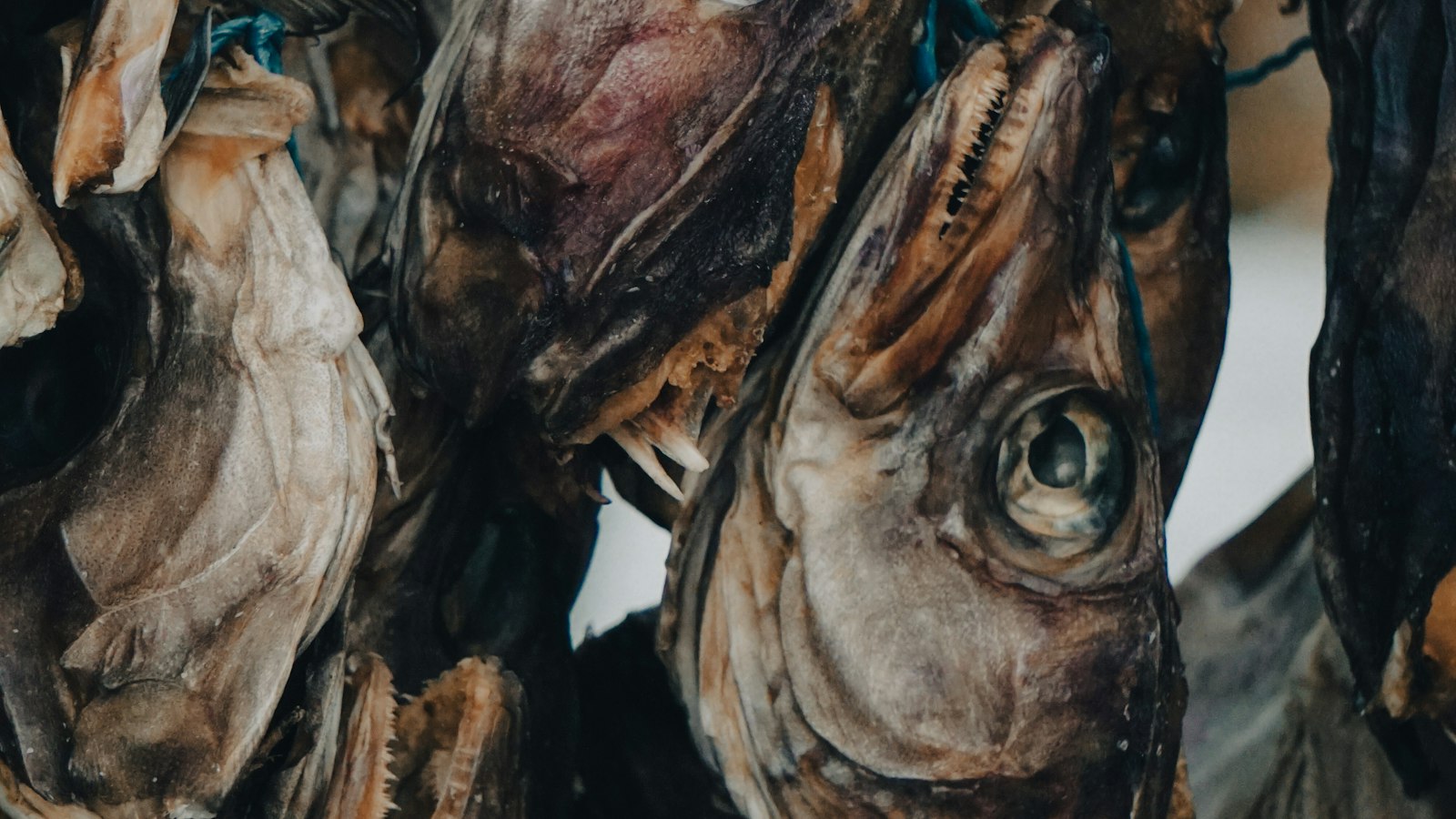
As the darkness of midwinter grips Iceland, people across the country gather for Þorrablót, an evening festival rooted in history, legend and the desire to honour customs. Taking place during the month of Þorri, which stretches from mid January to mid February on the old Icelandic calendar, the celebration mixes convivial meals with echoes of ancient rites.
Winter spirits and sagas
The name itself joins Þorri, a mythical personification of frost, with blót, the Old Norse word for sacrificial feast. Tracing the story leads to medieval sagas such as Orkneyinga saga and texts preserved in the Flateyjarbók. There Þorri is described as a winter spirit or, in some accounts, a Finnish king, son of Snær (meaning “Snow”). The sagas recount how ancient communities offered yearly sacrifices to Þorri at midwinter, seeking good fortune for skiing and winter travel. However, there is little evidence that such celebrations were widespread in pre-Christian Iceland beyond these stories.
Reinventing a golden age
The Þorrablót familiar to Icelanders today actually began in the late 1800s. Romantic nationalism swept through Iceland in that period, much as it did elsewhere in Europe. Organisers looked to the country’s medieval literature and Norse roots for inspiration. The first known Þorrablót was reportedly held in Reykjavík in 1867, with Icelandic students in Copenhagen also holding festivities in 1873. The gatherings gained further momentum alongside movements for Icelandic independence. By 1874, the year the country was granted its constitution, Þorrablót had become part of efforts to celebrate a shared heritage.
At early Þorrablót events, participants paid tribute to the Norse god Thor (Þórr) and other deities with speeches and ceremonial toasts, deliberately evoking Iceland’s pre-Christian past. Some objected to these references, especially in public settings, as religious freedom only became law with the 1874 constitution.
Since the mid 20th century, Þorrablót has grown into a broad tradition. Restaurants in Reykjavík began hosting formal events featuring “traditional” Icelandic fare: foods that are soured, smoked or salted. Today, many associations, both at home and among Icelanders abroad, organise Þorrablót as a way of renewing connections and keeping heritage alive. Gatherings range from informal family dinners to large, staged affairs with performances and dancing. The menu, often called þorramatur or “food of Þorri”, remains central to the feast.
Sources
- Wikipedia
- Wikipedia (Icelandic) in Icelandic


