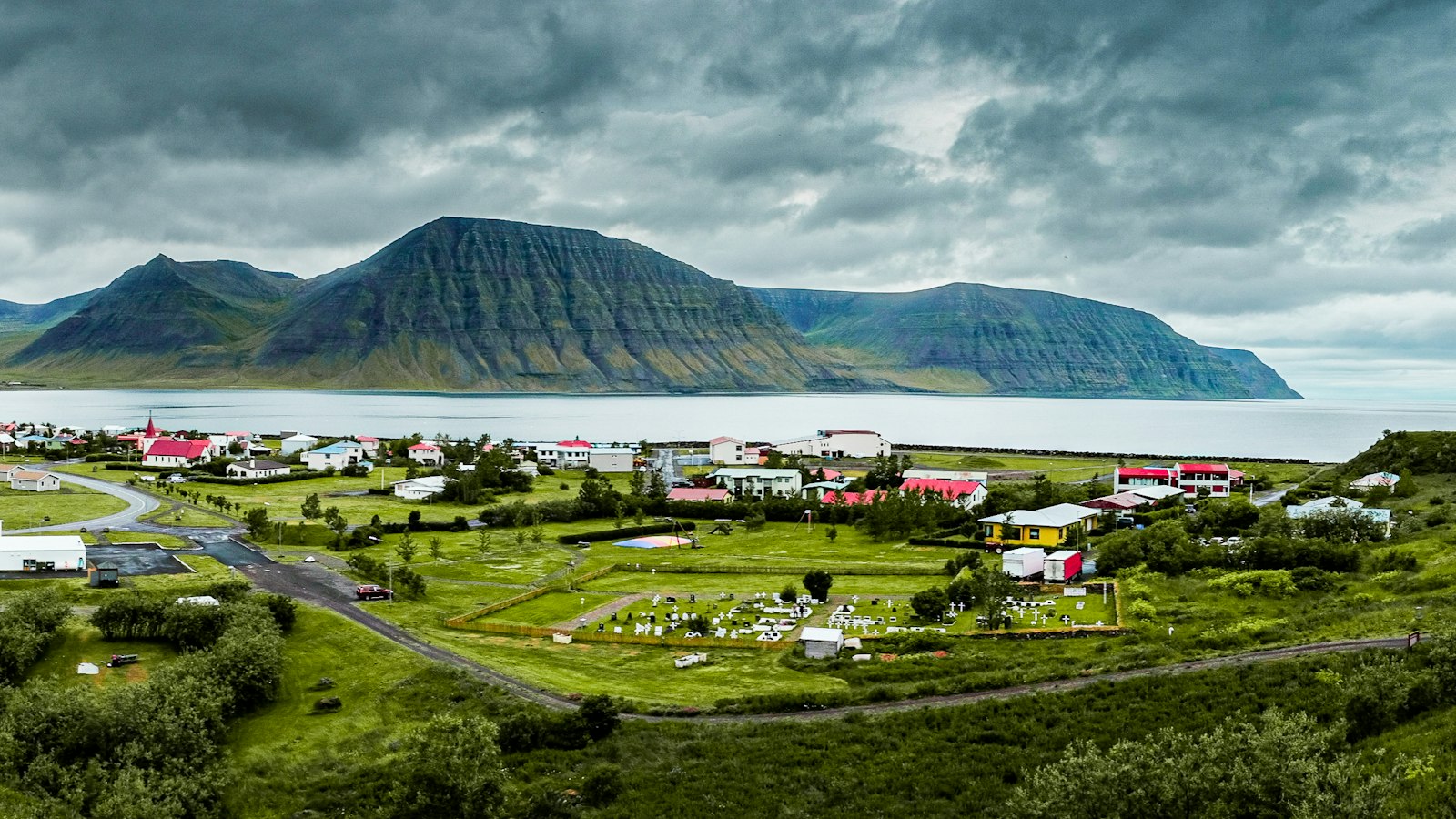
The end of the first decade of the seventeenth century was a difficult time for Iceland, defined by harsh natural conditions and scarce resources. In 1615, a brutal confrontation took place in the Westfjords that would become known as the Slaying of the Basques (Icelandic: Baskavígin). This incident remains the last recorded massacre in the country’s history, offering a somber reminder of darker periods in Iceland’s past.
Basque whalers and their arrival in Iceland
Basque whalers, originating from both Spanish and French parts of the Basque Country, had held a leading role in Atlantic whaling from the 16th century onwards. They pioneered large-scale whaling operations in Newfoundland and Labrador from the 1560s, with their industry peaking at around thirty ships and two thousand men involved, hunting an estimated 400 whales yearly. By the early 1600s, Basque whalers had expanded their expeditions to Iceland’s rich waters.
In the difficult summer of 1615, three Basque whaling vessels anchored in Reykjarfjörður, a deep fjord in the Westfjords. The crews, led by captains Martín de Villafranca, Esteban de Telleria, and Pedro de Aguirre, initially established mutually beneficial trading relations with local Icelanders. At the national assembly that summer, a royal decree was read banning foreign whalers, news which reached the Basques and left them cautious.
Shipwreck, survival, and conflict
Things took a dramatic turn in September when a severe storm wrecked all three Basque ships. Around 83 men made it ashore, but with almost no salvageable supplies. The Basques split up, trying to survive the oncoming winter by seeking shelter, fishing, and in some cases, taking dried fish and salt from local storehouses, a move that would prove deadly.
The situation escalated on the night of 5 October. After a group of Basques entered a merchant’s empty house and took dried fish, local residents retaliated, killing fourteen Basques in their sleep. Only one youth, García, managed to escape, and the slain were stripped and weighted down in the sea. The violence continued under the leadership of Sheriff Ari Magnússon, who acted on ancient Icelandic law to declare the shipwrecked Basques outlaws, or “réttdræpir óbótamenn,” meaning they could be killed with impunity.
Additional attacks took place at Æðey and Sandeyri, where more Basques were murdered while fishing or in their shelters. Some Icelanders, including Ragnheiður Eggertsdóttir, showed sympathy and offered help, but the main actions organised by Ari were relentless. By the end of these events, historians estimate that 32 Basques had been killed.
Memory and legacy
One contemporary, Jón Guðmundsson the Learned, condemned the killings and offered a detailed written account, criticising the local authorities’ actions. Jón chose to flee the area rather than participate, preserving a dissenting voice that remains significant in Icelandic historical writing.
Centuries later, in 2015, the massacre’s four-hundredth anniversary was commemorated in Hólmavík. A memorial stele was erected by relatives of both the victims and the perpetrators. On that occasion, the centuries-old decree declaring Basques as outlaws was symbolically revoked by the district commissioner of the Westfjords, recognising the legacy of these turbulent events and the need for reconciliation.
Sources
- Wikipedia
- Wikipedia (Icelandic) in Icelandic


