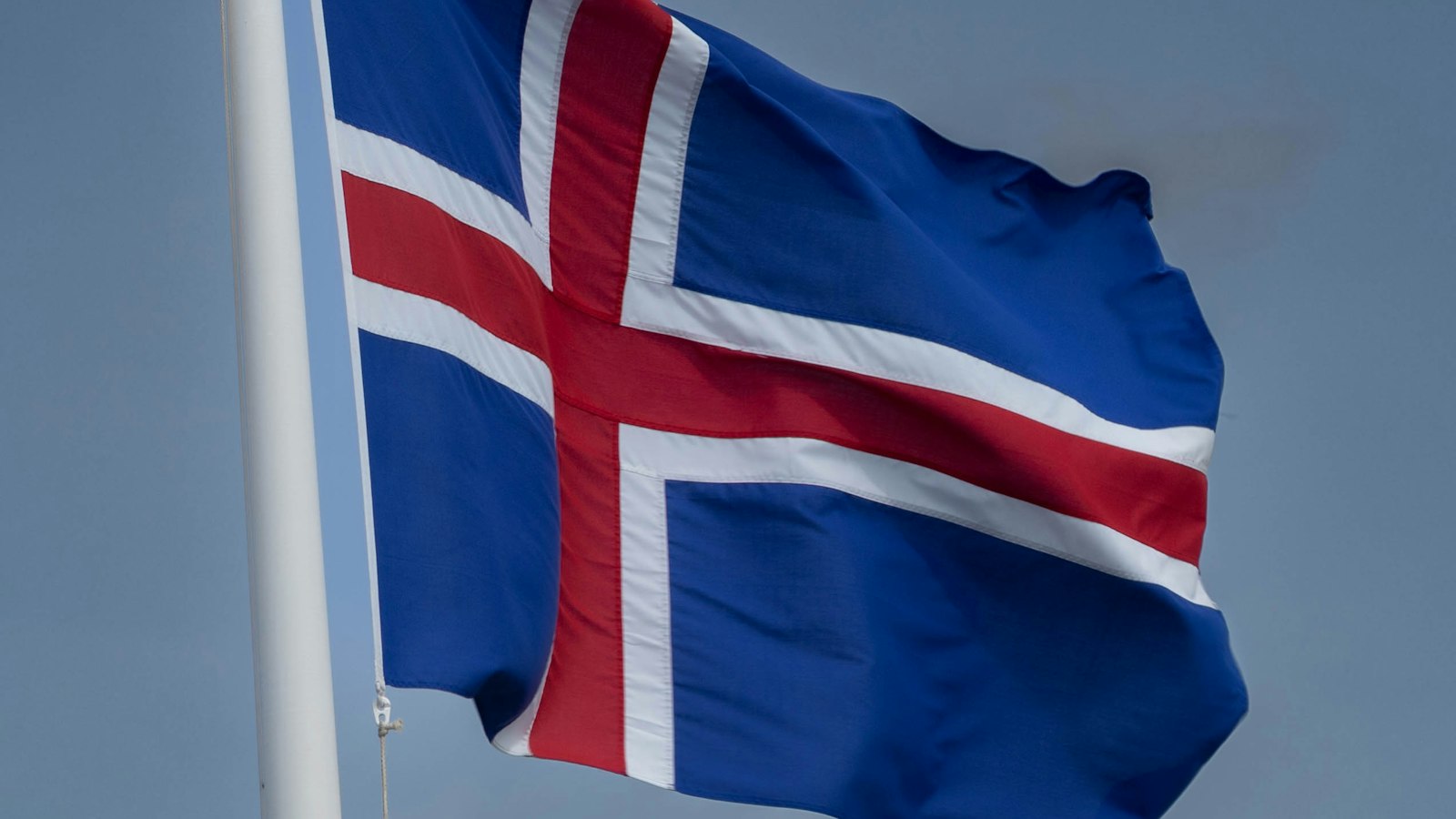
Iceland’s national anthem, Lofsöngur (often recognised by its opening words, Ó Guð vors lands or O, God of Our Land), has a unique history that traces the island’s path to independence and its evolving cultural landscape. The anthem’s solemn melody and reflective lyrics have made it a subject of both national pride and debate.
A hymn born from a millennium of settlement
The roots of Lofsöngur reach back to 1874, a year marking one thousand years since Norse settlers first arrived in Iceland. To honour this milestone, official church services across the country were called for, with Pétur Pétursson, then bishop, setting the theme. The now-famous anthem was first performed by a mixed choir in Reykjavík Cathedral during a commemorative service attended by King Christian IX of Denmark. The composition reflected the religious and historical motifs that defined the ceremony.
The music for Lofsöngur was written by Sveinbjörn Sveinbjörnsson, the first Icelander to build his career as a composer internationally. Sveinbjörnsson worked both in Edinburgh and London, composing the piece during his stay in Scotland. His contribution was later recognised when the Althing, Iceland’s parliament, awarded him the country’s first state pension for a composer in 1922.
The lyrics sprang from the pen of Matthías Jochumsson, a priest and one of Iceland’s best-loved poets, inspired by verses from the 90th Psalm. Jochumsson composed parts of the text during his time in the British Isles, with the first stanza likely shaped in Edinburgh and subsequent stanzas completed in London. The strong spiritual nature stems from these biblical foundations, and Jochumsson eventually became the first poet in Iceland to receive a state pension, also earning the title “National Poet.”
Anthem of a modern nation and ongoing debate
Though the anthem was celebrated from its inception, it was not formalised as the national anthem until 1944, when Icelanders voted to dissolve their personal union with Denmark and declared the republic. Since then, Lofsöngur has been performed at major state occasions, but practical issues have become apparent. The song is often considered difficult to sing due to its sweeping vocal range, stretching over a minor fourteenth, and in most gatherings, only the first of its three stanzas is included.
Debate has surfaced repeatedly over whether the anthem, with its distinctly Christian hymn form, still represents modern Iceland. As the country grows increasingly secular, some have questioned if a religious theme should remain at the core of national identity, especially when alternatives with broader appeal have been suggested. Nonetheless, Lofsöngur remains legally enshrined, an enduring reminder of the beliefs and hopes shaping Iceland’s self-image since its earliest years as a nation.
Sources
- Wikipedia
- Wikipedia (Icelandic) in Icelandic


