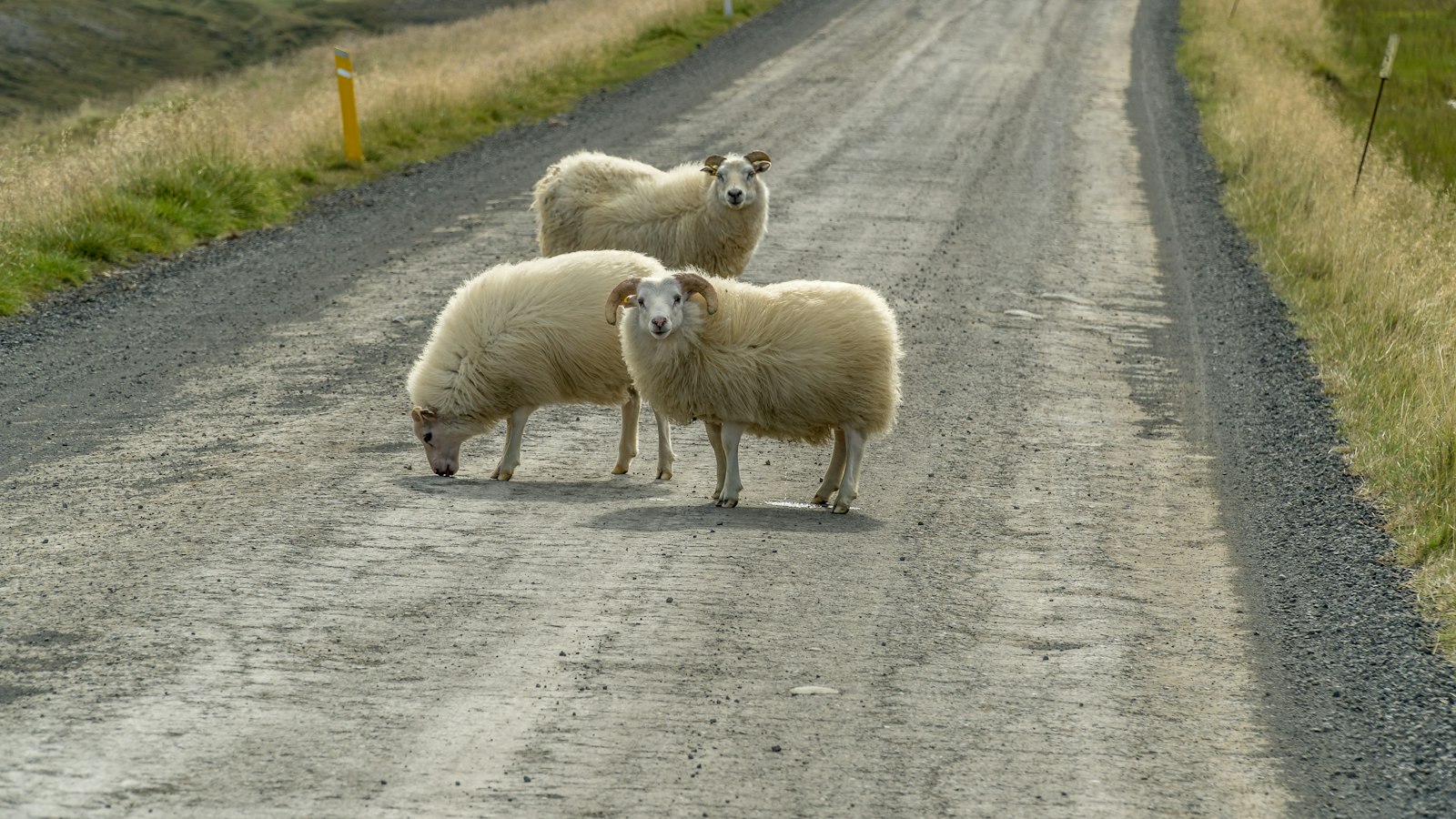
In Iceland, few things have remained as constant over a millennium as the companionship of the Icelandic Sheepdog. Known locally as Íslenskur fjárhundur, this hardy spitz is the nation’s sole native dog breed, shaped by the land and the people since the era of the first settlers.
Arrival with the Vikings and ancient ties
The origins of the Icelandic Sheepdog stretch back to the arrival of Norse settlers in the ninth century. These early inhabitants brought spitz-type dogs across the sea, animals that not only adapted to Iceland’s climate but also became essential for managing livestock. The breed shares its beginnings with similar herding dogs found in Norway and Sweden, including the Buhund and Vallhund, all springing from a common ancestral stock.
Evidence of the breed’s long-standing presence is found both in archaeological records and written accounts. References appear as early as the late fifteenth century when the dog was known beyond Iceland’s shores. English and French sources from the Middle Ages describe the breed, and it even finds mention in Shakespeare’s “Henry V.” Observers in the seventeenth and eighteenth centuries commented on its fox-like features and valued its usefulness to farmers and shepherds.
Survival, setbacks and revival
Although the Icelandic Sheepdog became widely recognised in parts of Europe in earlier centuries, the breed’s fortunes on its native turf were often threatened. Epidemics such as plague and canine distemper wiped out most of the population in the nineteenth century, and concern for its continued existence led to restrictions on importing other dogs. Despite this, the breed faced another brush with extinction during the twentieth century.
Efforts to safeguard the sheepdog’s legacy took on new urgency in the late 1900s. In 1969, the Hundarræktarfélag Íslands (Icelandic Kennel Club) was established, with its first major show in 1973 featuring a significant number of Icelandic Sheepdogs. By the 1990s, national recognition reached an official level when the Alþingi (Icelandic parliament) declared the breed part of the country’s cultural heritage, making preservation a matter of national interest.
The breed’s profile continued to grow internationally. It was officially accepted by major kennel clubs in Europe and North America, with registrations spreading across the Nordic countries and the wider world. By 2022, about five thousand Icelandic Sheepdogs were recorded globally.
Characteristics and role in Icelandic life
Icelandic Sheepdogs are small to medium-sized, typically weighing between nine and fourteen kilograms and measuring up to forty-five centimetres tall at the shoulder for males. Their thick coats, which can be either long or short, offer protection against Iceland’s varied weather and come in a range of colours from milky white and cream to reddish brown and black, often with distinctive markings. Noted for their bright and curious nature, these dogs excel at herding sheep and horses, alerting farmers with their keen senses.
In the countryside, this breed remains a fixture on farms, its upright, pointed ears and curled tail now as much a part of the Icelandic pastoral landscape as the sheep themselves. Their energy and vigilance means they remain valued guardians and helpers, and their story continues alongside that of Iceland’s rural communities.
Sources
- Wikipedia
- Wikipedia (Icelandic) in Icelandic


