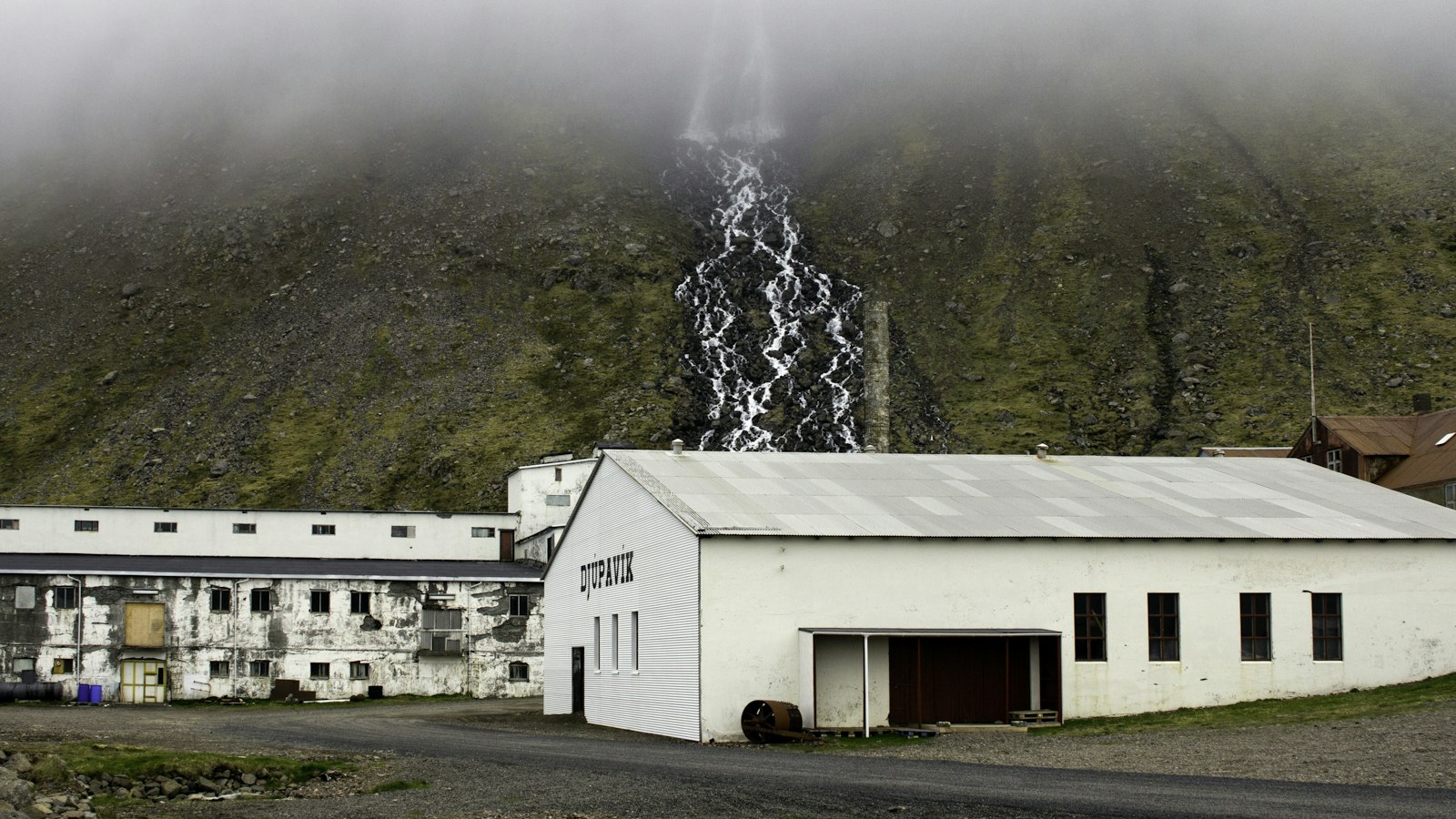
Nordic and Scandinavian Americans form a significant part of the United States’ population, their ancestors having journeyed from Denmark, Norway, Sweden, Finland, Iceland, Greenland, and the Faroe Islands. According to estimates from 2021, over nine million Americans claim Scandinavian or Nordic ancestry, a group that reflects a diverse migration history stretching back centuries.
Defining the Nordic and Scandinavian regions
The distinction between the terms “Nordic” and “Scandinavian” is often misunderstood. Scandinavia refers mainly to Norway, Sweden, and Denmark, whose languages remain mutually intelligible today. The broader Nordic region also includes Finland, Iceland, Greenland, the Faroe Islands, and Åland. While Old Norse is a common linguistic ancestor, centuries of historical divergence and colonial unions have created unique cultural pathways for different groups, including the Sami, an Indigenous people, and the Norse.
Patterns of migration and settlement
The first known contact between Norse explorers and North America occurred in the 11th century, when they traveled as far as areas around Newfoundland and Labrador. These early voyages left no permanent settlements, but they stand as a remarkable moment of pre-Columbian transatlantic contact. A more structured Nordic presence came in the 1600s, with the founding of New Sweden along the Delaware River. Though this Swedish colony lasted only a brief period before falling to the Dutch, its settlers left long-term impacts, possibly introducing techniques such as log cabin building and new approaches to forest use.
Mass migration from Scandinavia began in earnest during the 19th century. Driven largely by rapid population growth supported by advances in health and agriculture, rural communities in Scandinavia found themselves with limited resources as farms were divided and economic opportunities shrank. Coupled with episodes of famine and economic downturn, many families chose to leave for the United States. Between 1825 and 1930, roughly three million Scandinavians moved abroad, with Swedes, Norwegians, and Danes making up the largest groups. Initially, entire families settled in rural areas of the American Midwest, but later patterns saw single individuals move to growing cities before being joined by relatives.
Distinct communities formed across the Midwest and northern states, founded by Danes, Norwegians, Swedes, and Finns. These groups created their own schools, newspapers, and churches, preserving language and customs for generations before gradually assimilating. Even as many learned English and participated in broader American society, these communities maintained a distinct Nordic identity, sharing traditions in food, festivals, and daily practices. The Finnish, many of whom settled in Michigan and Minnesota to work in mining, and Icelandic Americans, who arrived in greatest numbers between 1873 and 1905, are known for maintaining close-knit community ties. The United States is now home to the world’s second largest Icelandic diaspora after Canada.
Other groups, such as the Sami, were recruited in the late 19th century to Alaska to introduce reindeer herding. Though legislative changes later forced most Sami out of reindeer herding, small communities remain, especially near Seattle, focused on maintaining their cultural heritage.


