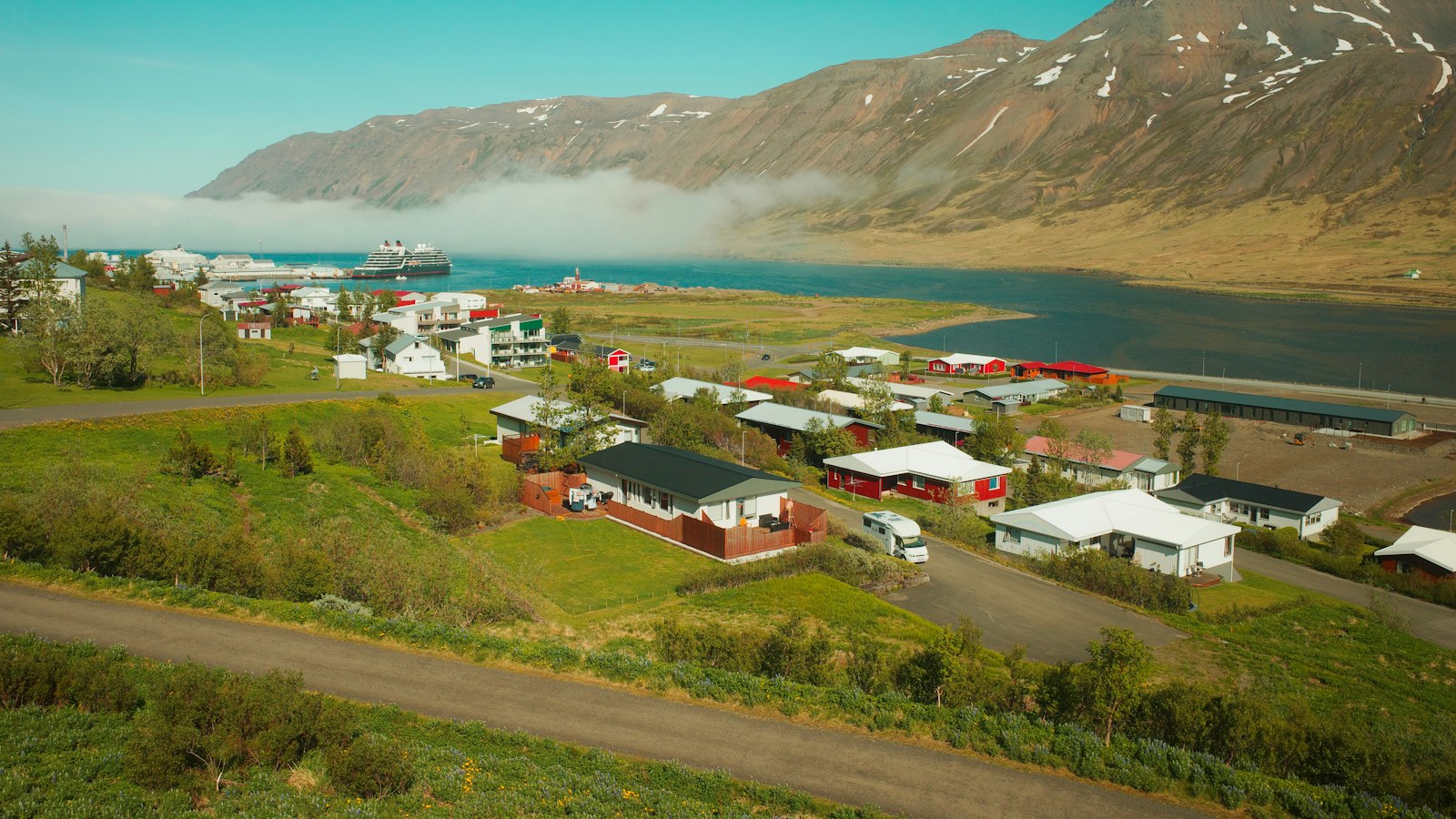
On the remote west coast of Álftafjörður in the Westfjords region, the fishing village of Súðavík occupies a dramatic landscape marked by steep mountains and a deep fjord. This small settlement, known in Icelandic as Súðavíkurhreppur, continues to adapt to the demands of its environment and to the challenges that have shaped its identity.
A village shaped by disaster and recovery
Early in the morning of 16 January 1995, Súðavík faced a catastrophic event when an avalanche swept through the village, destroying numerous houses where residents lived. Fourteen people died, including eight children, and twelve were injured. Rescue efforts were hampered by severe snow storms, and it would take nearly a full day before the last survivor was found. One girl, buried under snow, survived for 12 hours before being rescued. Search operations extended into the evening of the following day, reflecting the gravity and urgency of the crisis.
That same winter, avalanches struck again, including two from Traðargil that destroyed more houses. However, by this point, these areas had been vacated, and no further lives were lost. The series of avalanches affected numerous gullies and mountainsides throughout the region that winter, emphasizing the ongoing risk faced by settlements tucked beneath steep slopes.
A community meeting a week after the tragedy led to a momentous decision: the village would not rebuild where it stood but instead relocate to a safer area. Residents sold their properties in the danger zone to the Icelandic state, and work to construct the new village started in August 1995. By the winter of 1996–1997, most families had a new home, with 51 newly built houses and eight moved from the previous village site. The freezing plant continued work at its original location, but most other services and industries joined the move.
Fishing, summer houses and Arctic foxes
Today, Súðavík’s local economy relies on fishing, fish processing and tourism. In summer, the older homes in the original village become seasonal rentals. Local businesses, including sea angling and guided tour companies, reflect the close relationship between the village and its coastal setting.
One distinctive feature of Súðavík is its role as home to the Arctic Fox Center. This museum and research hub is dedicated to the Arctic fox, the only native land mammal in Iceland. Here, visitors and researchers alike can learn about the animal’s behaviour and significance within northern ecosystems.
Súðavík’s story is one of adaptation, shaped by the harsh realities of its surroundings and the determination of its residents. The disaster in 1995 left deep marks, but also pulled together a community, both locally and across Iceland, in solidarity and support.


