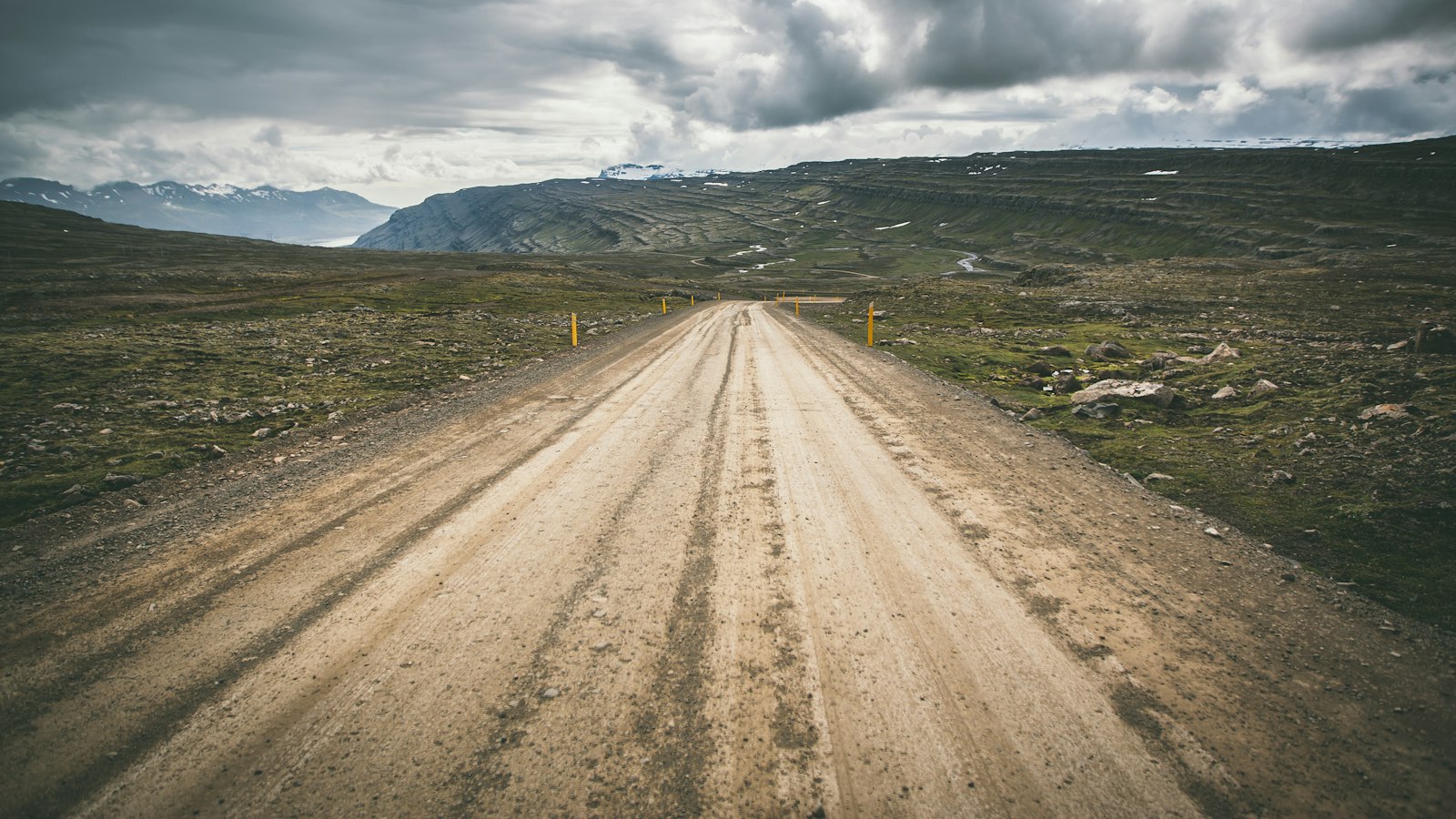
Amid Iceland’s uninhabited heartland lies Sprengisandur, a vast plateau framed by some of the island’s most recognisable ice caps. It stretches between Hofsjökull and Vatnajökull, two glaciers that help define the highland’s fierce landscape.
A demanding route through history
Centuries ago, Sprengisandur offered a way to cut directly from north to south, enabling those from isolated regions to take the shortest path to the Plains of the Parliament, known as Þingvellir. This was the site of the annual Alþingi, Iceland’s national assembly, held at midsummer from the tenth century onward. The plateau’s barren terrain made it notorious among travellers, who sometimes called it simply the “Sand” or “Sand trail”.
Unlike other routes such as Kjölur or Kaldidalur, Sprengisandur required crossing many kilometres of lifeless land. There was no grazing for animals and no shelter, and the journey left riders pressed for time and supplies. The name itself hints at the intensity of the passage: “Sprengja” means to push a horse to exhaustion, while “sandur” refers to the volcanic deserts so common in central Iceland. The logic was simple, travellers needed to move quickly, driving their animals nearly to breaking point, in order to re-enter the settled areas before running out of food.
Thus, many historical figures sought safer, if longer, paths. Sagas tell of people living near the northern end of Sprengisandur who preferred to hug the coasts, travelling greater distances to avoid the risk of being caught in the middle of the wilderness. Only those who most urgently needed speed braved the central plateau.
Legacy of the highland desert
In time, as Iceland’s society changed, the route saw less use. By the late medieval period, with new political realities, Sprengisandur was crossed less frequently and faded into obscurity until rediscovery in the 1800s.
Sprengisandur is still known for its isolation. The road that currently traverses the plateau, Sprengisandsleið, is a summer-only gravel track, reflecting the landscape’s continued hostility during other seasons due to snow and spring floods. A tiny airfield lies nearby, testament to the area’s remoteness.
Legends and songs have grown up around this desolate part of the island. Tales of ghosts were common among Icelanders in the past, and these stories live on in music, including the song “Á Sprengisandi” by poet Grímur Thomsen.
Today, most traffic across Sprengisandur occurs in the short summer. The region’s volcanic ash plains, stony moraines, and distant views of volcanoes such as Askja and Herðubreið echo with the memory of countless riders who once raced against the landscape itself.
Sources
- Wikipedia
- Wikipedia (Icelandic) in Icelandic


