In the rolling fields by the river Hvítá in southern Iceland stands Skálholt, a place whose name resonates through centuries of Icelandic history. From the mid-eleventh century, Skálholt took on a central role as the country’s main religious, educational and political seat, qualities that shaped the Iceland known today.
The heart of Icelandic Christianity
Skálholt’s significance began in 1056, when it became the seat of one of Iceland’s two bishoprics alongside Hólar in the north. This episcopal see made Skálholt a hub for both administration and culture. Around its cathedral, a settlement grew that contained not only clergy but also farmers, smiths and, for a time, a monastery. Such activity formed what could be described as Iceland’s first urban area, where by the year 1200, about 120 people made their home, a sizable population for medieval Iceland.
Education took root early here. The country’s first official school, Skálholtsskóli, was founded on site to train future clergy. The institution endured in some form through the centuries, reflecting the pivotal role that learning held in the community.
Turbulence and transformation
Faith and power at Skálholt were sometimes fraught. The Reformation in the 16th century brought violent change: Catholicism’s final days in Iceland ended dramatically in 1550 when Jón Arason, the last Catholic bishop of Hólar, was executed at Skálholt with his sons. That same year, the reliquary of St. Þorlákur (Thorlac), Skálholt’s sixth bishop and later regarded as a national saint, was desecrated and his remains scattered around the cathedral grounds.
After these upheavals, Skálholt continued to serve as an episcopal seat while the shape of Icelandic society shifted. The loss of church landholdings during the transition to Lutheranism had lasting economic and social consequences, as the resources that once supported poor relief were dramatically reduced.
Enduring cultural importance
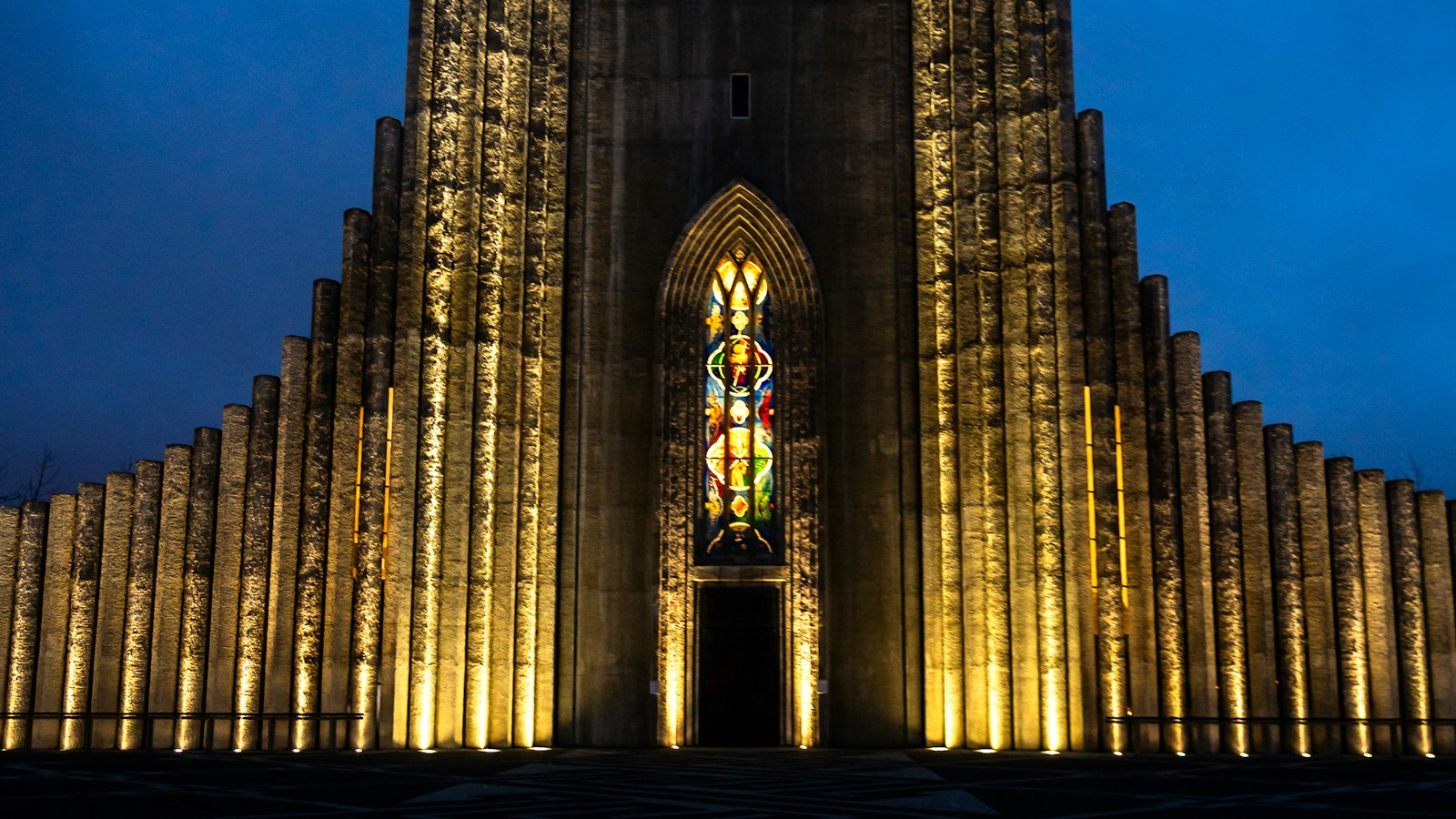
Even after its central political roles faded, Skálholt retained a strong cultural presence. Though the religious centre was transferred away in the 19th century, it remains a seat of significance for the Church of Iceland’s suffragan bishops. The current cathedral, built from 1956 to 1963, was constructed for the site’s 900th anniversary as an episcopal see. Its architecture, larger than most Icelandic churches, houses contributions from Scandinavian neighbours, including stained glass windows from Denmark.
Skálholt’s impact extended beyond faith and learning. In the late 16th century, a teacher from Skálholt, Sigurður Stefánsson, created a map using Norse sources that marked the location of Vinland, believed to be part of North America. This reconstruction, copied by Bishop Þórður Þorláksson in 1690, helped archaeologists centuries later identify L’Anse aux Meadows in Newfoundland, the only proven site of Viking habitation in North America.
Sources
- Wikipedia
- Wikipedia (Icelandic) in Icelandic


