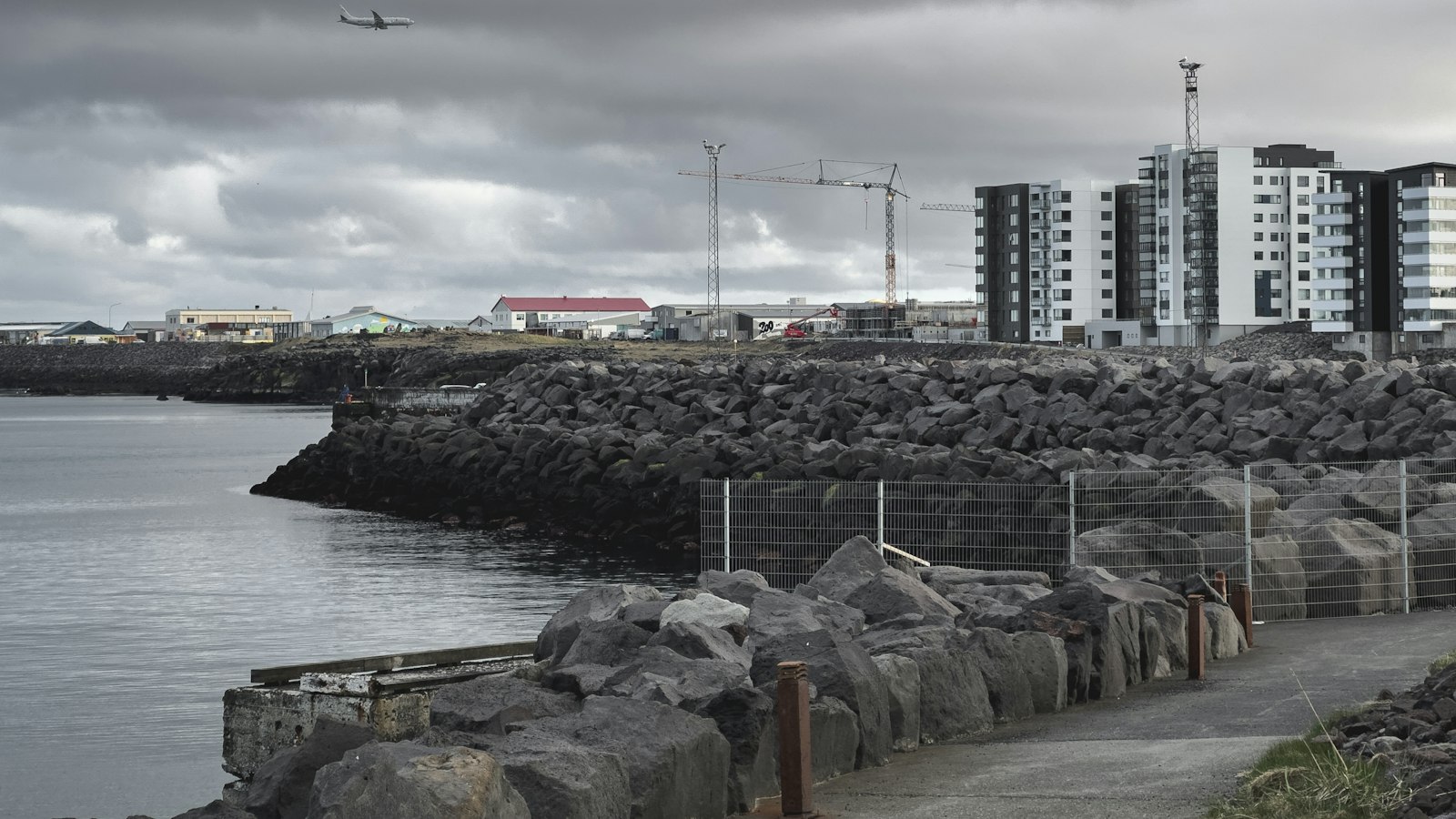
Naval Air Station Keflavik (NASKEF) bears witness to one of Iceland’s most consequential chapters in modern history. Located next to the country’s main international airport on the windswept Reykjanes peninsula, it was for decades the epicentre of American and NATO military activity in Iceland. Its impact reaches beyond runways and radar, shaping national debate, politics and even the urban landscape near Keflavík.
Origins in war and neutrality
Iceland was granted self-governance in 1918 but tried to maintain strict neutrality as war crept across Europe. The country turned down requests from both Germany and the United Kingdom for air and military bases. Nevertheless, in May 1940, British forces occupied Iceland to protect North Atlantic shipping, marking the start of the Allied presence. Soon after, an agreement brought in United States forces, who undertook construction of Keflavík Airport. This served as a key refuelling and transport hub for troops and supplies heading to the battlefields of Europe.
After WWII, the Americans withdrew from Iceland in 1947, but the Cold War quickly changed the strategic calculations. In 1949, Iceland joined NATO. Despite public hesitancy about foreign troops stationed on the island, a new defence agreement in 1951 saw the return of the US military and the formal creation of the Iceland Defense Force. NASKEF became a focal point of Western military strategy in the North Atlantic, its importance magnified by Iceland’s lack of its own army.
A patch of America on Icelandic soil
At its peak, the base was home to some 5,700 people, including military personnel, staff, and families. Within its perimeter, structures familiar to any American suburb appeared: schools, shops, a hospital, sports facilities and even movie theatres. Over the years, the presence was not just US Navy; the Air Force and NATO allies visited for joint operations and exercises. Submarine detection systems and radar played major roles, and the base helped monitor Soviet movements across the GIUK (Greenland-Iceland-UK) gap.
The American presence was always politically sensitive. Opposition to the base and its military role came from organised groups and peace movements. The so-called Keflavíkurganga (Keflavík marches) became well-known protest events. Supporters of the NATO agreement lobbied actively for continued cooperation with the United States, reflecting a country divided over its role in world affairs.
In 2006, the US military formally handed over the station. Under the name Ásbrú, the area has shifted from military to civilian uses, hosting education, business and housing. The change mirrors broader shifts since the Cold War: global geopolitics ebb, but the past remains woven into local life. Periodically, NATO aircraft still operate from Keflavík, maintaining Iceland’s connection to larger defence networks even without a permanent foreign presence.
Sources
- Wikipedia
- Wikipedia (Icelandic) in Icelandic


