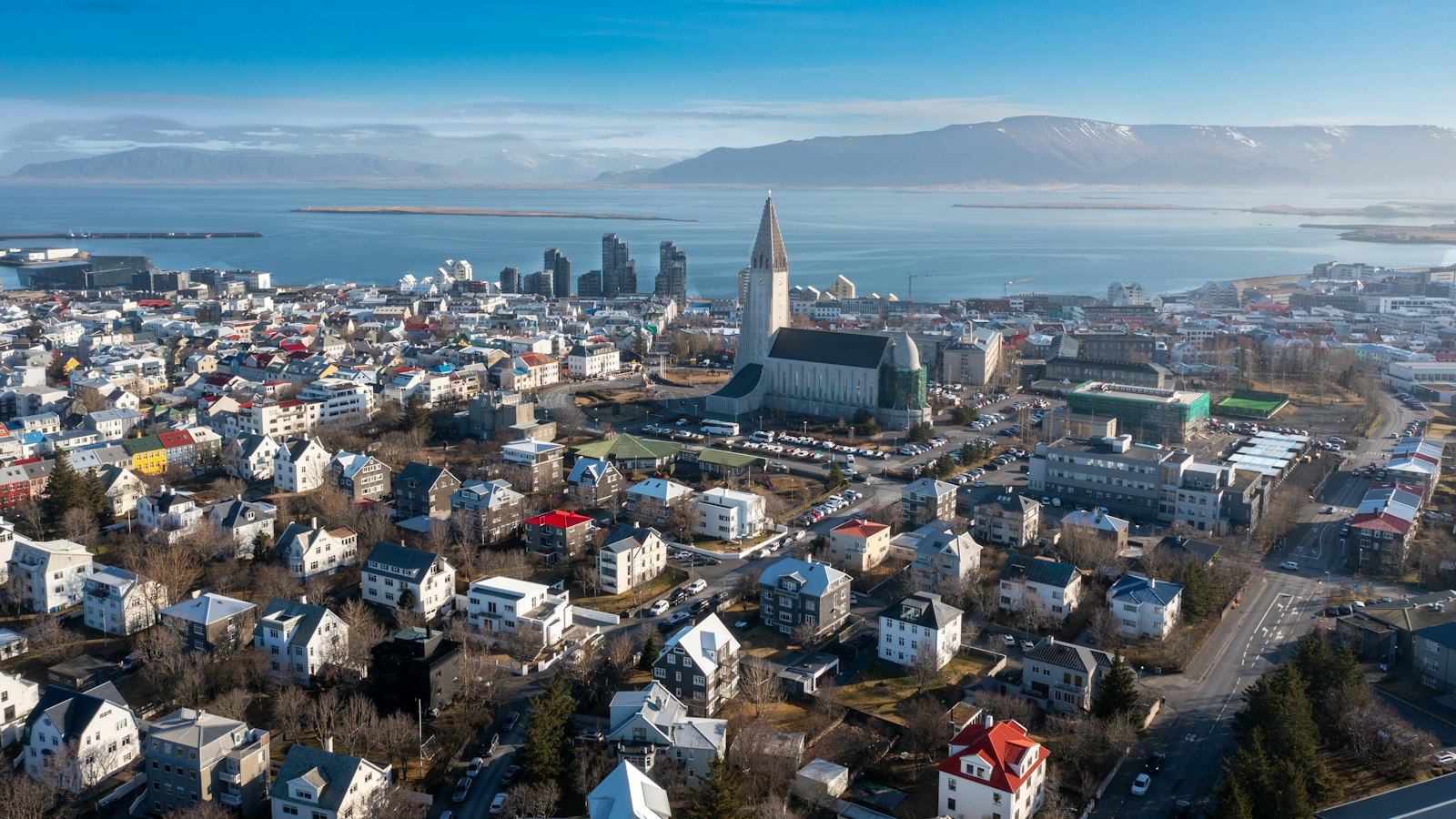
Supreme Court of Iceland reflects the nation’s path to legal independence
From its founding in 1920 to its modern courthouse at Arnarhóll, the Hæstiréttur Íslands symbolises Iceland’s legal autonomy and dedication to an independent judiciary.
Topic
From its founding in 1920 to its modern courthouse at Arnarhóll, the Hæstiréttur Íslands symbolises Iceland’s legal autonomy and dedication to an independent judiciary.
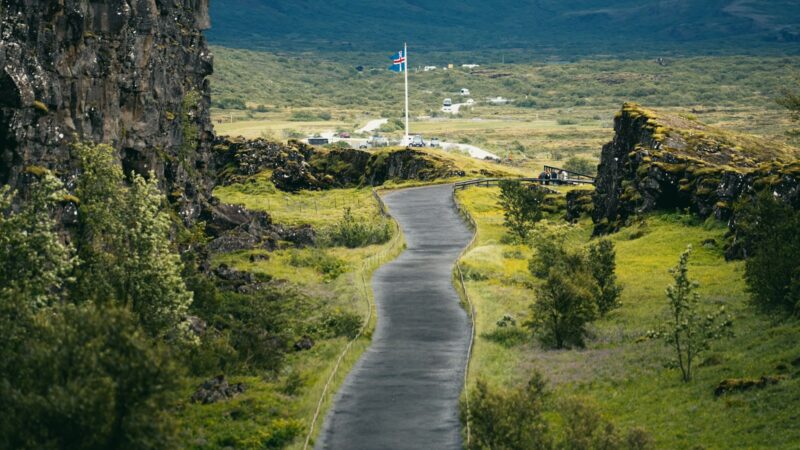
Iceland has a unique legal heritage shaped by assemblies, codifications, and centuries of adaptation, from the medieval Alþingi to modern statutes.
While selling sex is legal, paying for it is not, a model that aims to protect vulnerable people but poses challenges for enforcement, and reveals ongoing tensions in Icelandic society.
For nearly three centuries, death sentences shaped Icelandic justice and society. From foreign laws to the last execution in 1830, the story reflects broader changes in law, faith and culture.
Established with the founding of Alþingi in 930, the Court of Legislature (Lögrétta) was central to Iceland’s legal and political culture through shifting autonomy and foreign rule.
The Gray Goose Laws, or Grágás, offer a glimpse into the origins of Icelandic law and society during the Commonwealth era and beyond. Their story traces oral traditions, shifting governance and centuries of scholarly debate.
Across shifting political and social landscapes, Iceland's approach to abortion has evolved from criminalisation to one of the most liberal regimes in Europe today.