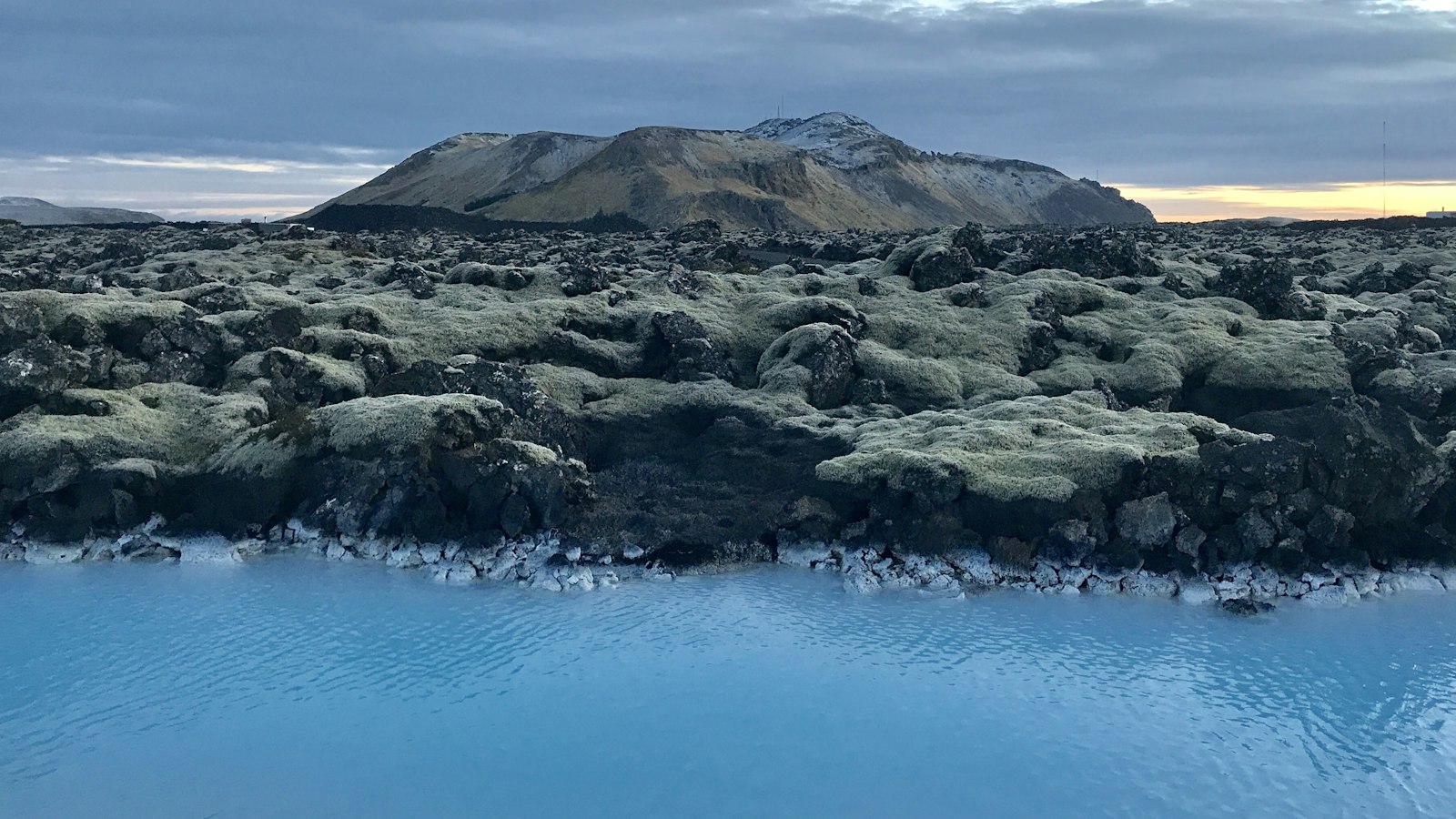
Nestled on the southern shore of Reykjanes, Herdísarvík is more than a remote bay, it has witnessed centuries of life shaped by Icelandic nature and history. Though it now lies abandoned, the land and its stories continue to hold meaning in modern Iceland.
A name from legend and a thousand years of habitation
The name Herdísarvík means “the bay of Herdís,” referencing a woman from folk tales who, according to local lore, was a giantess and sister to Krýsa. Their legendary feud is said to have affected the fertility of the surrounding countryside. The area itself boasts over a millennium of settlement, a rare continuity in Iceland’s shifting rural landscape.
For generations, Herdísarvík was a prosperous farm, thanks to its proximity to both rich pastures in the mountains and abundant coastal resources. Sheep farming thrived, and at times, farm leaders kept hundreds, even thousands of animals. Inhabitants hunted birds and seals, fished for cod and herring, and gathered driftwood, a prized commodity for building in a tree-scarce land.
From fishing haven to frozen pastures
The coast around Herdísarvík played a significant role in Iceland’s fishing history. Since the Middle Ages, winter brought fishermen to the Reykjanes shore, launching rowing boats to harvest cod and herring. Herdísarvík’s small boat landing and natural shelter made it important for both fishing and the transport of goods to nearby farms, especially before the construction of roads. Remnants of old fishing huts and stone drying walls are still visible near the bay.
At the heart of the area is Herdísarvíkurfjall, the mountain whose flanks supplied both grazing land and, in earlier geological times, flows of lava, known as Herdísarvíkurhraun, that poured down in dramatic “lava falls.” Lava reefs just offshore made landing boats a challenge, one reason the place remained difficult to access until the mid-20th century.
By the early 1900s, Herdísarvík’s farm and fishing community began to fade. In 1932, the poet and entrepreneur Einar Benediktsson settled with his wife Hlín Johnson at Herdísarvík, drawn by its quiet isolation. Benediktsson, prominent in Iceland’s cultural and industrial development, spent his final years here. After his death in 1940, Johnson continued running the farm, even selling ice from the lagoon to Icelandic and Faroese fishermen.
For much of the farm’s history, neither road nor telephone connected Herdísarvík to the rest of the country. Only by 1948 did a road (Route 427/Suðurstrandarvegur) allow vehicle access, further opening up the coast.
A legacy of resilience and natural riches
The land’s rich wildlife, lingering walls and fields are reminders of a thousand years of adaptation. Herdísarvík’s meadows remain popular among Icelanders for berry picking in late summer and autumn. With the reduction of sheep grazing, birch thickets now grow where pastures once dominated. The area is protected and owned by the University of Iceland, as Einar Benediktsson wished. It stands as a quiet testimony to both the power of Icelandic nature and the resilience of those who made lives on its wild edge.
Sources
- Wikipedia
- Wikipedia (Icelandic) in Icelandic


