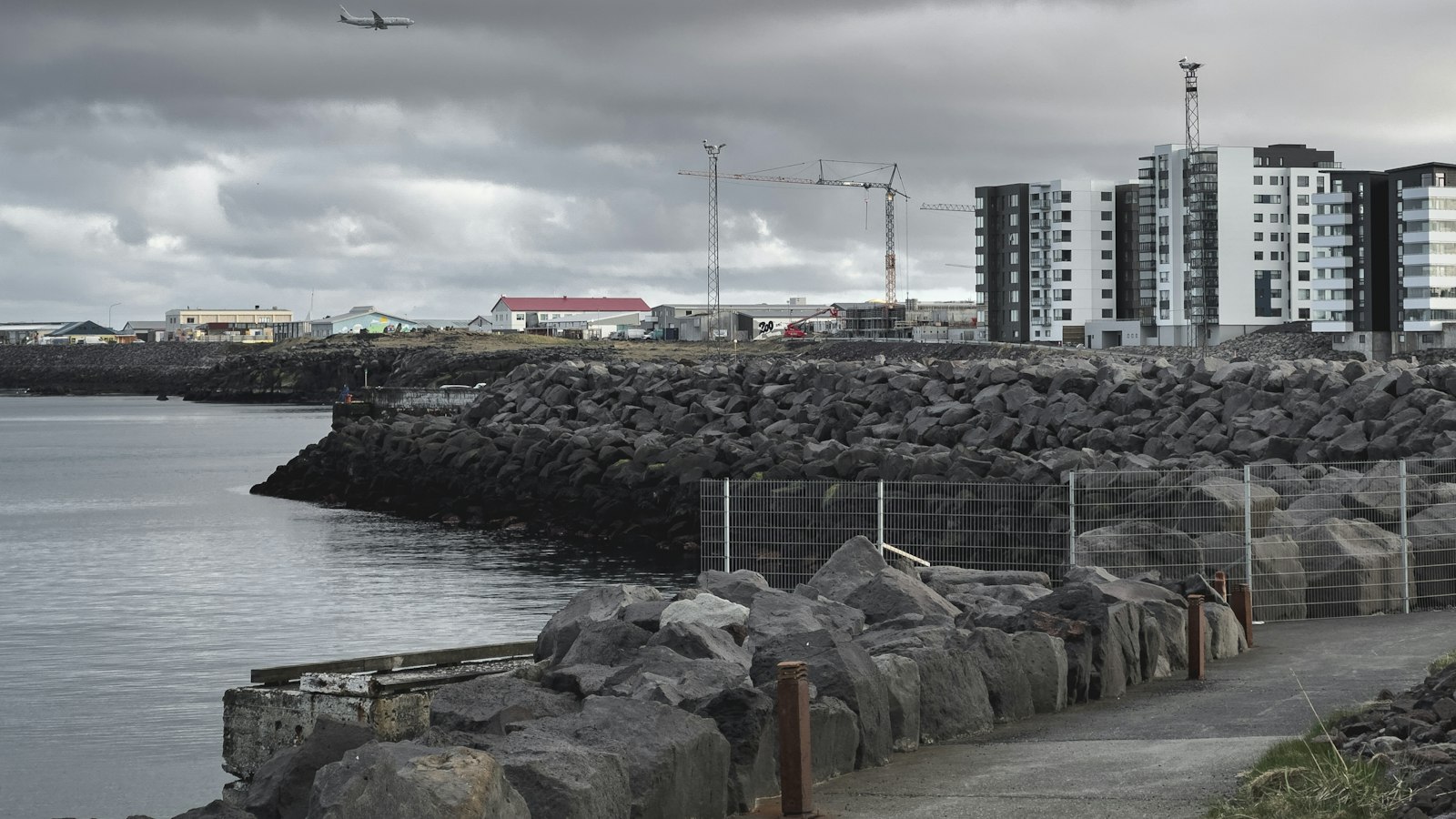
Tucked within Reykjanesbær on Iceland’s southwest corner, Ásbrú occupies a landscape shaped by decades of foreign military presence. For nearly sixty years, this area served as home for United States Navy personnel and, later, as a key NATO site at Keflavík. When the American forces withdrew in 2006, leaving behind a self-contained town, Iceland faced the complicated task of redefining this area’s future.
A place reborn by education and enterprise
The transformation began with a vision: to turn unused military housing and infrastructure into a centre defined by innovation, academia, and entrepreneurship. To guide this process, a state-owned company called Kadeco was established in autumn 2006. Its job was to ensure state-owned buildings and land would find new life in ways that benefited both locals and the wider Icelandic society.
The first major step was the creation of Keilir in 2007, a unique educational institution offering programmes in green energy, aviation, creative subjects, and health. Keilir’s curriculum was developed in partnership with the University of Iceland and private firms, and it quickly attracted hundreds of students. Brand new housing was transformed into student accommodation, making Ásbrú the largest university campus in the country by population.
Ásbrú’s campus grew rapidly, with over 1,700 residents living in converted former military apartments by 2009. Students came for studies not only at Keilir, but also from other universities in Reykjavík. Everyday life on campus included communal areas like a café, restaurant, and convenience store designed around student needs.
Innovation on new foundations
Beyond academia, Ásbrú became a magnet for entrepreneurs. The business incubator Eldey opened in 2008 as a collaborative effort between Kadeco, Keilir, the University of Iceland, and national innovation leaders. Here, start-ups pursued ideas such as energy efficiency devices and new technologies for Iceland’s economy.
One landmark project highlights Ásbrú’s transition toward sustainability and global digital infrastructure. Verne Global, a company with international investment backing, chose the site for Iceland’s first major international data centre. With an emphasis on green energy, the facility brought a new type of industry to Iceland, leveraging both location and renewable power.
Throughout these changes, Ásbrú’s new identity remained framed by its unique history. Even its modern name draws from Norse heritage: Ásbrú in Old Norse refers to the mythical bridge between the worlds of gods and humans, a symbol of connection and transformation.
Sources
- Wikipedia
- Wikipedia (Icelandic) in Icelandic


