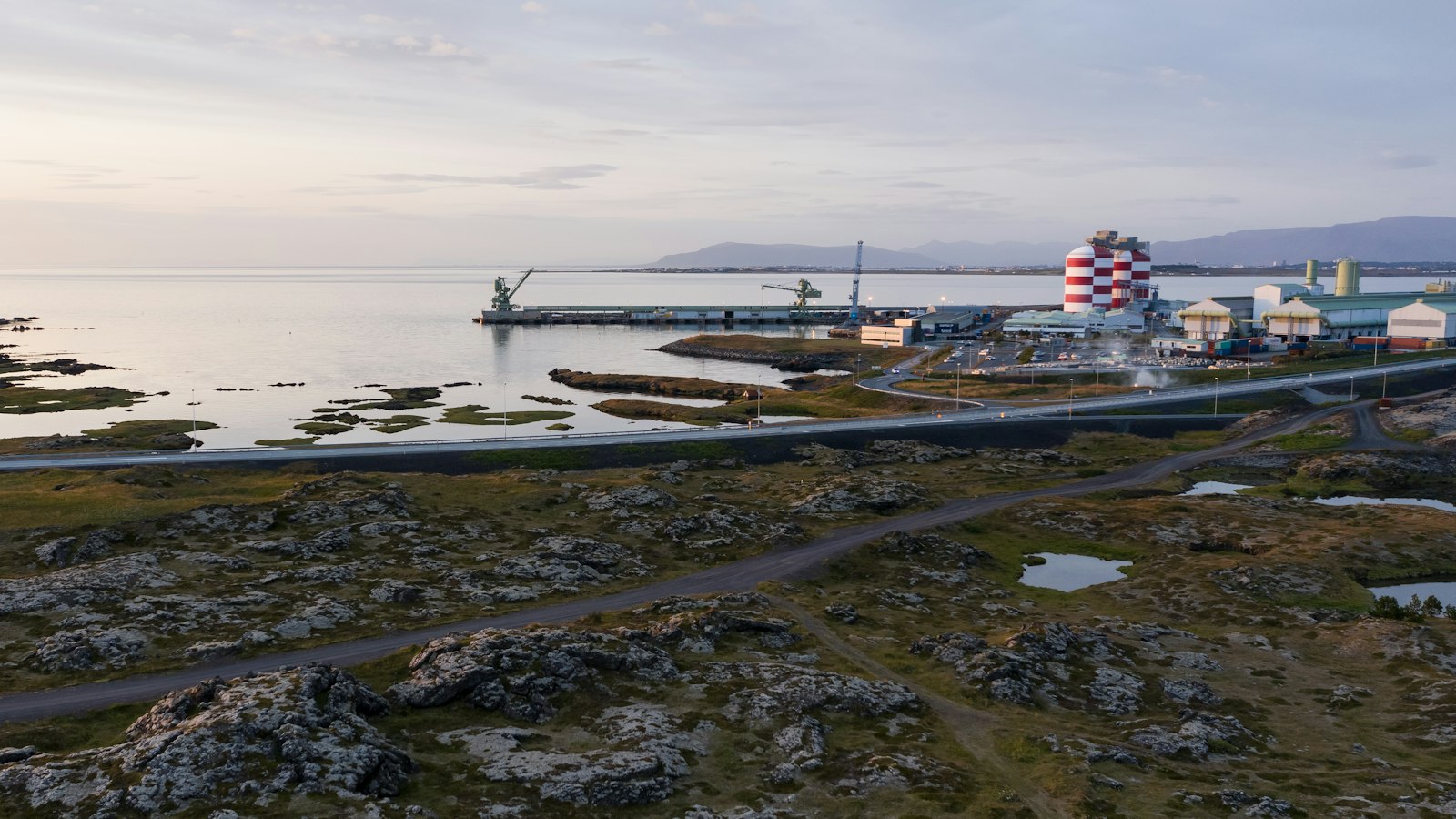
On the far northeastern coast of Iceland, a village called Kópasker sits by the waters of Öxarfjörður. With just over 100 residents as of early 2024, its small size belies a history shaped by determination, local industry, and a landscape that demands adaptability from those who live there.
Tracing roots: from trade post to local centre
Though officially recognised as a trading place around 1880, true settlement in Kópasker began after 1910. The village’s oldest dwelling, built in 1912 by Árni Ingimundarson, sparked further development, although the original home no longer stands after suffering a fire in 1988. Kópasker’s early growth was closely linked to cooperative services for surrounding farms and fisheries. While shrimp processing was once significant, decline in local shrimp stocks brought that industry to an end in 2003.
Today, meat-processing is the backbone of employment here. One of the area’s major employers is Fjallalamb, a factory where lamb is prepared for markets near and far. Fishing from Kópasker has waned, with fewer boats calling the village their base, but it remains an important part of the local identity.
Life in a close-knit village
Daily life unfolds at a slow and steady pace. Kópasker hosts a shop, a school, a bank, health care facilities, and accommodation for travellers. There is even a small airport just north of the settlement. Amenities might appear modest, but they reflect the needs of a scattered rural population for whom Kópasker acts as a hub.
The region has not been without drama. In 1976, an earthquake reached 6.3 on the Richter scale, damaging several structures and altering lives. An exhibit at the Earthquake Center recounts this event and its aftermath, capturing local memories of rebuilding and perseverance.
Cultural gatherings, past and present, are part of the story. The Snartarstaðir church, made of stone and inaugurated in 1929, holds a place at the heart of the community. Despite the turmoil of the 1976 tremor, the church stood firm, witnessing generations pass through its doors. The village even founded its own sports club, Snörtur, once active in football, basketball, and now mainly known for veterans’ volleyball competitions.
Outside the village, the wild peninsula of Melrakkaslétta stretches towards Iceland’s northernmost tip at Hraunhafnartangi. The area is renowned among birdwatchers for its diverse species, drawn by the open landscapes of north Iceland.
Sources
- Wikipedia
- Wikipedia (Icelandic) in Icelandic


