UNESCO’s list of World Heritage Sites serves to recognise places of exceptional cultural or natural significance worldwide. Since accepting the World Heritage Convention in 1995, Iceland has had three of its sites officially inscribed, each reflecting unique chapters of the island’s geological and human story.
Þingvellir: Origins of democracy and nationhood
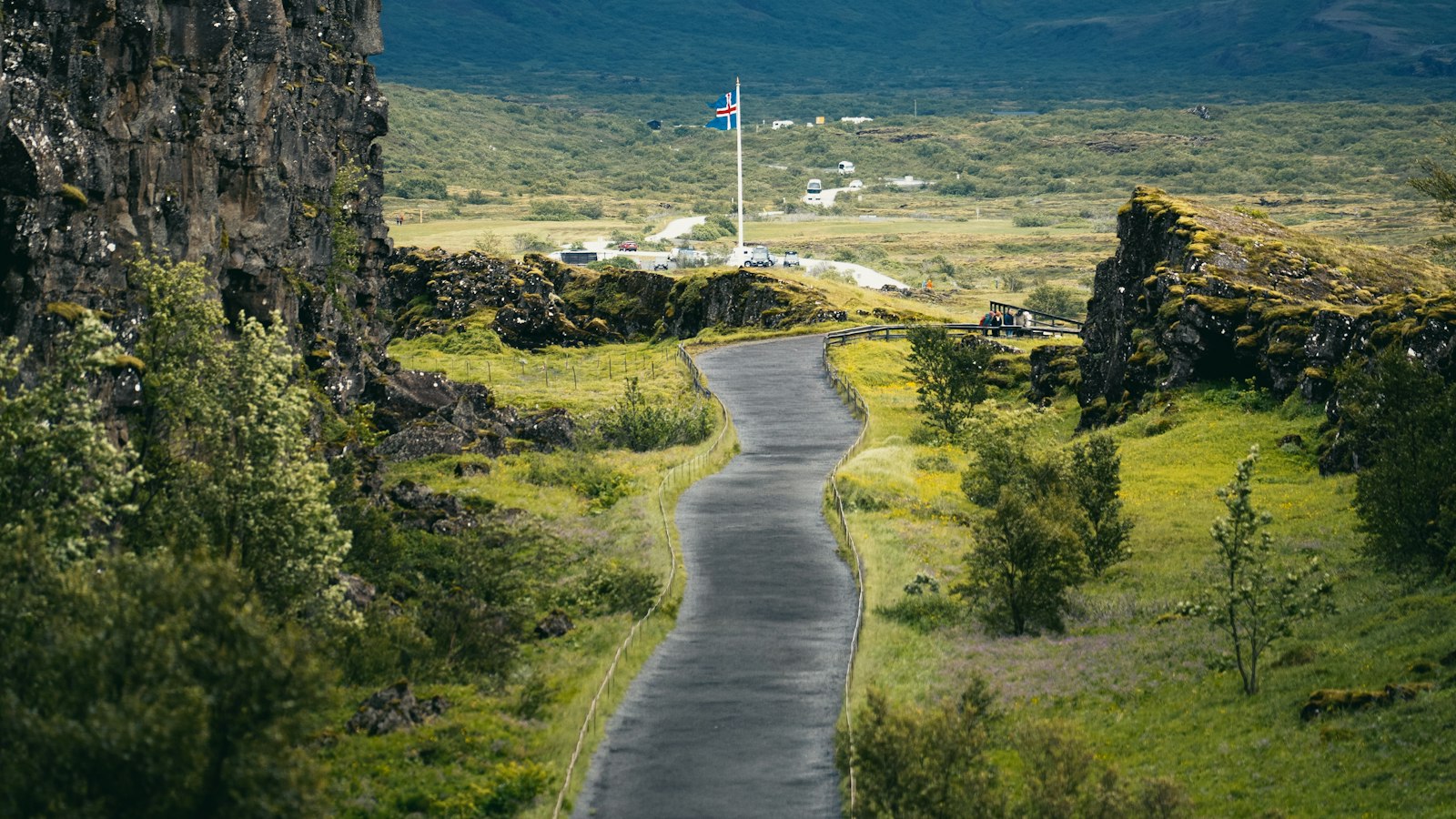
Þingvellir National Park became Iceland’s first World Heritage Site in 2004. Unlike the country’s other entries, Þingvellir (pronounced “Thingvellir”) is recognised for its cultural value. It is the site where Iceland’s national parliament, the Alþingi, was established in the year 930, holding assemblies for centuries. This continued meeting place has strong associations with national identity and the roots of Icelandic democracy.
Natural marvels: Surtsey and Vatnajökull
Two natural sites have since been added. Surtsey, included in 2008, is a volcanic island that emerged from the sea in the 1960s. Its protected status allows scientists to study ecological succession, how new life colonises fresh land, making it a global reference point for observers of biological and geological development.
Vatnajökull National Park was added in 2019. This vast area is named for Europe’s largest glacier by volume. The park encompasses diverse landscapes shaped by fire and ice, representing geological processes that continue to define Iceland’s landscape. It meets World Heritage criteria for its outstanding examples of ongoing geological and geomorphic processes.
Ongoing heritage: The tentative list and future possibilities
Apart from these recognised sites, Iceland maintains six places on what UNESCO calls a “tentative list”, a prerequisite for any new nominations. As of 2019, Þingvellir itself features twice: once as a proposal to expand the site to include more natural attributes, and again as part of a wider transnational project on Viking heritage. The full list shows Iceland’s continued interest in bringing both ancient and natural wonders to broader international attention.
UNESCO applies ten criteria to all World Heritage nominations; sites must meet at least one, with the first six focused on culture and the latter four on natural importance. This allows for a broad recognition of Iceland’s distinctive blend of geological activity and historic tradition.


