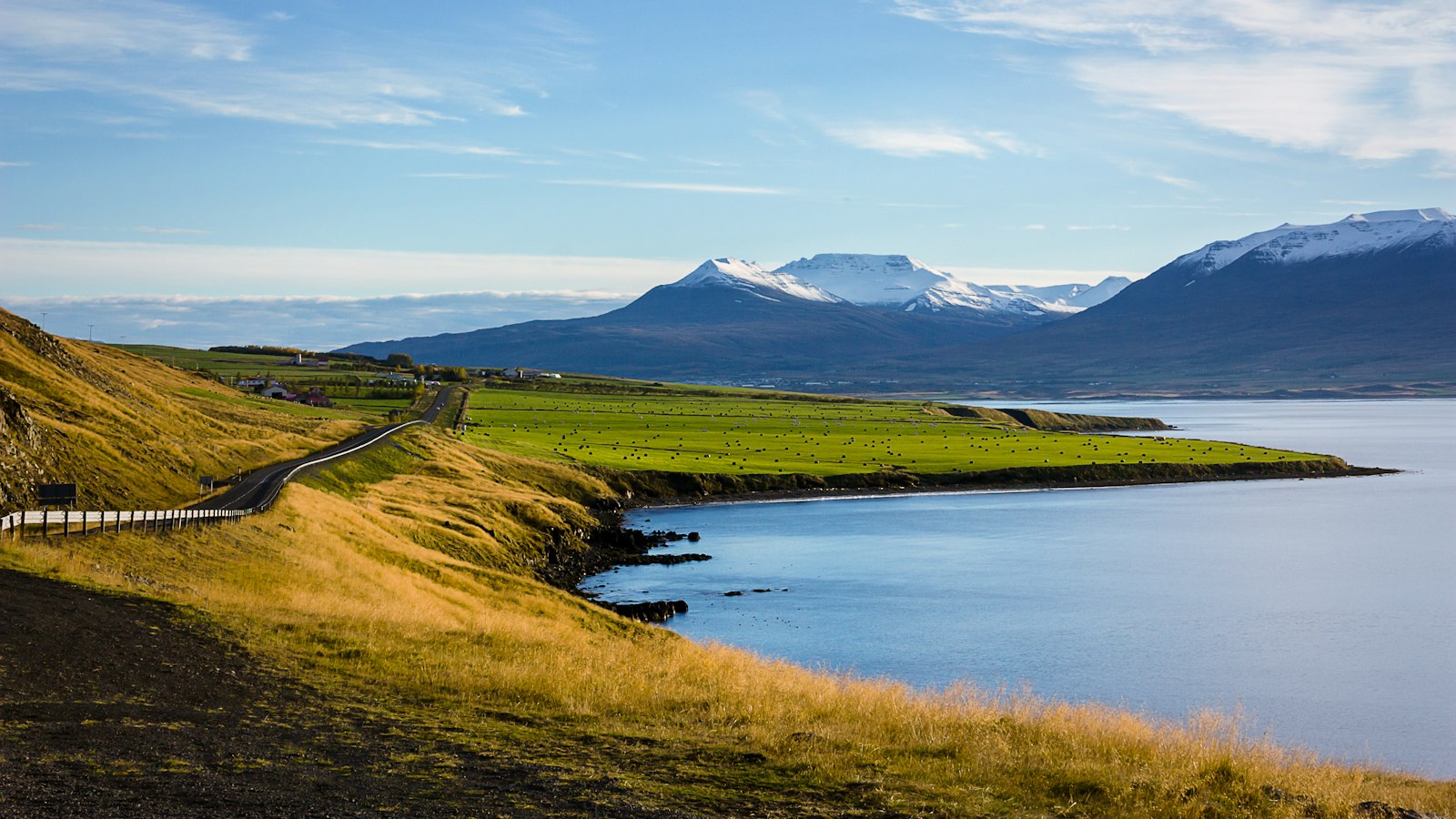
The South, or Suður in Icelandic, is one of six multiparty constituencies responsible for electing members to the Althing, Iceland’s singular parliamentary body. This region cuts across both the Southern and Southern Peninsula areas, encompassing diverse municipalities from rural farming settlements to fishing towns along the coast.
Redrawing the map
The South constituency emerged in 2003 amid a sweeping reorganisation of Iceland’s electoral boundaries. Before this realignment, the Southern constituency was separate, and places like Grindavík, Reykjanesbær and Hornafjörður belonged to other regions. In the late 1990s, proposals were made to balance political representation more fairly across Iceland, as population changes had skewed the previous system. A pivotal constitutional amendment in 1999 led to the reduction of constituencies and gave the Althing the authority to set new boundaries. By May 2000, the law setting out the rules for elections (Act no. 24/2000) was in place, providing for the creation of the South and its initial allocation of ten seats.
The towns and municipalities that now make up the South constituency include Hornafjörður, Grindavík, Reykjanesbær, Vestmannaeyjar and Vogar, among many others. This blend brings together everything from volcanic islands to farming valleys, reflecting the range of lifestyles across Iceland’s southern reaches.
Electoral dynamics and recent results
Elections in the South operate using open party-list proportional representation. Voters select not just a party but can also influence the ranking of individual candidates on the party list. The allocation of constituency seats hinges on the D’Hondt method, a mathematical system designed to distribute seats according to the proportion of votes received. In order to reflect national voting trends, extra compensatory seats may be awarded, but only to parties gaining at least 5% of votes nationwide.
As of the most recent election in 2024, more than 41,000 were registered to vote in the South, electing nine representatives out of the 63 sitting in the Althing. The elected politicians in the last several years have come from a mix of backgrounds, and represent a spectrum of Icelandic political parties. Strong rural roots, fishing traditions, and fast-growing towns make the South a key barometer of Iceland’s changing society.
Sources
- Wikipedia
- Wikipedia (Icelandic) in Icelandic


