The coat of arms of Iceland is rich in symbolism, blending history, legend and the unique landscapes of the country. Its distinctive design connects modern Icelanders to Old Norse traditions and to the dramatic geology of the island itself.
A shield rooted in myth and stone
At the heart of the coat of arms is a blue shield edged with a silver cross, overlaid with a bright red cross. The proportions and colours directly allude to the Icelandic flag. Behind this shield stand four powerful figures. These are the landvættir, mythical shield-bearers described in the medieval Icelandic text Heimskringla. According to this saga, they serve as protectors of each of Iceland’s main regions.
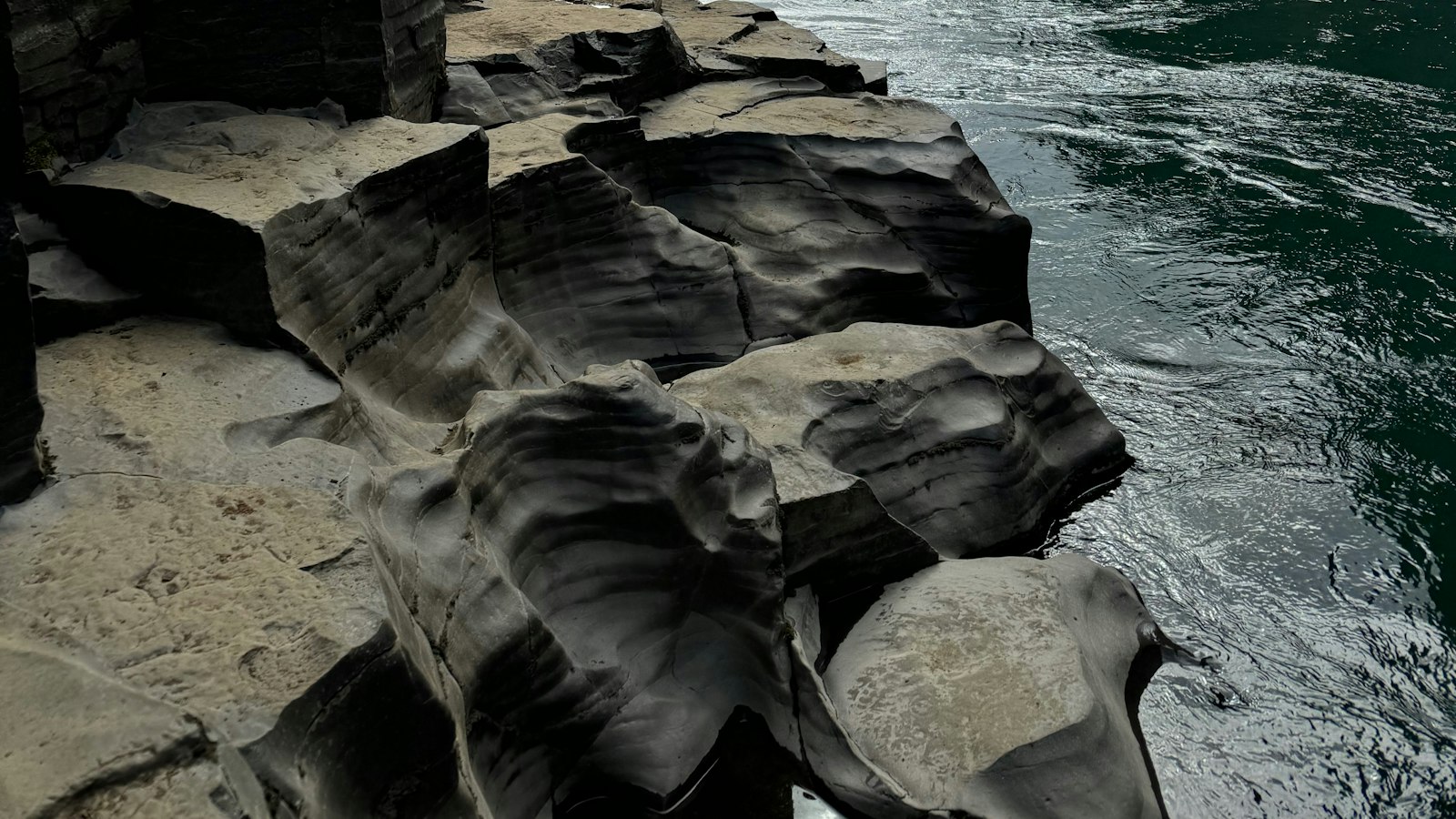
To the north-west stands the bull (Griðungur); the north-east is watched over by the eagle or griffin (Gammur); the south-east is guarded by the dragon (Dreki); and the south-west by the rock-giant (Bergrisi). These figures rest on a block of Iceland’s signature columnar basalt, grounding the emblem in the country’s volcanic identity.
Legends, laws and lasting respect
The reverence for these four guardians was so significant that, during the Viking era, Icelandic law forbade ships from arriving with threatening figureheads, particularly dragon’s heads, when approaching the coast. This rule was intended to avoid provoking the landvættir and demonstrates how deeply the connection between landscape and legend was woven into daily life.
The landvættir were formally adopted into the national coat of arms on 12 February 1919 during the period of Iceland’s union with Denmark. When Iceland declared itself a republic on 17 June 1944, the coat of arms was redesigned to remove the Danish crown and reinforce these legendary custodians.
From cod to cross: a changing design
Earlier versions of Iceland’s coat of arms reflect the evolving history of the island. The oldest known version bore alternating blue and silver stripes, possibly representing the twelve regional assemblies or þings of the medieval Icelandic Commonwealth. Around 1500, the symbol was changed to a crown-topped stockfish, a dried, split codfish, on a red shield. This emblem remained for centuries and was sometimes called Þorskmerkið, or ‘the cod markings’. In the early 20th century, before the landvættir appeared, a white falcon on a blue shield was used.
Today, the mythological guardians are visible not only on state buildings and flags but also on the obverse sides of Icelandic króna coins, while depictions of ocean animals grace the reverse. Official use of the coat of arms is strictly regulated, though its appearance has inspired T-shirts and sweaters as expressions of national pride.
Sources
- Wikipedia
- Wikipedia (Icelandic) in Icelandic


