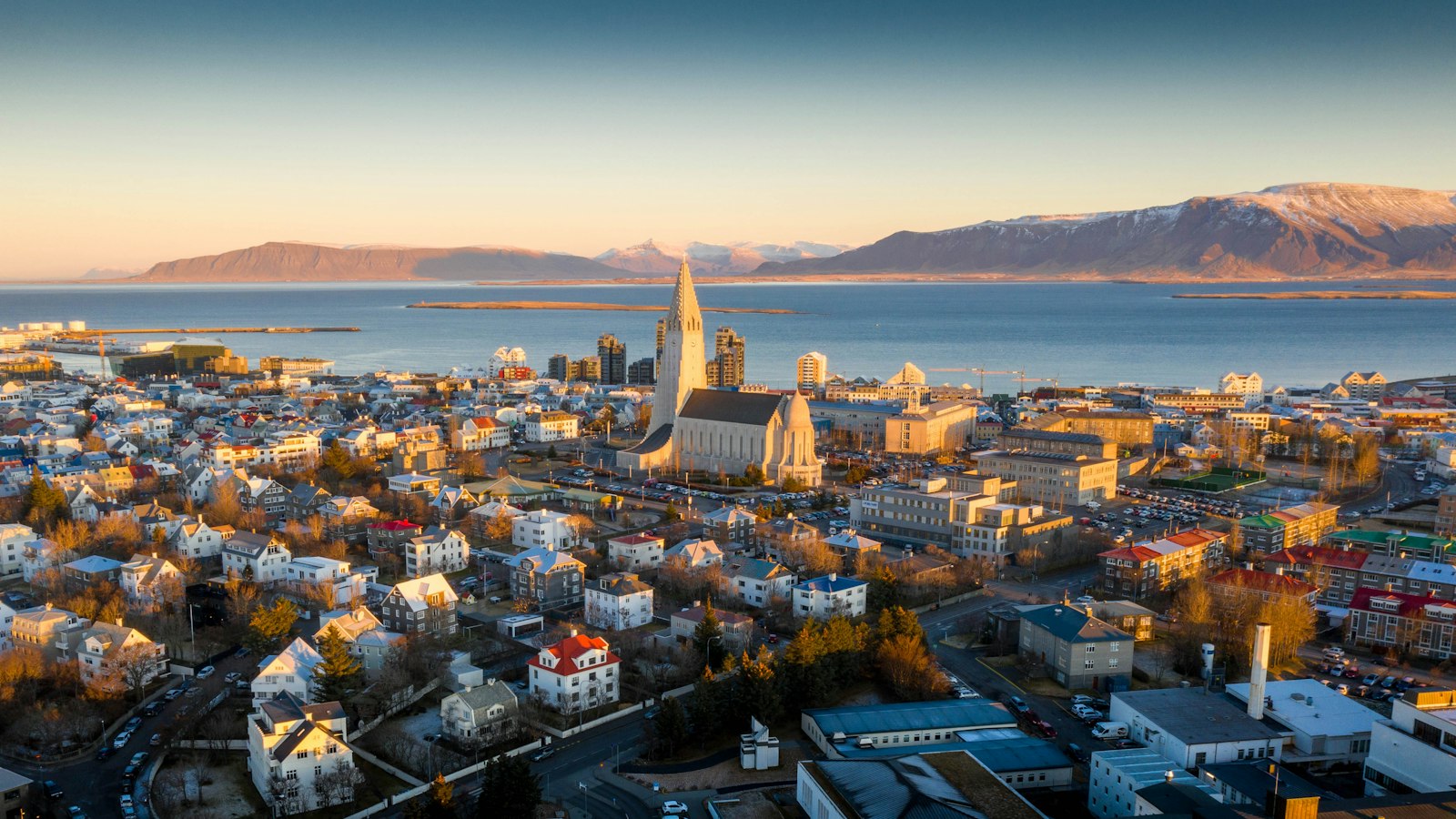
Windswept and sparsely populated, Iceland occupies a distinct place among European countries when it comes to its demographics. Today, the nation’s population stands at just under 400,000 people, a number that places it among the least populous and least densely populated countries in the world.
Genealogy and settlement roots
The origins of Iceland’s population trace back over a millennium. Most Icelanders are descended from Norwegian settlers, with a significant number of enslaved Gaels from Ireland and Scotland brought during the ninth-century settlement era. Genetic studies indicate approximately two-thirds of the early male population was of Norse origin, while about 60 percent of the women traced their ancestry to the Celtic world. Despite many centuries of isolation, modern research suggests today’s Icelanders are more genetically mixed than the European average.
Population numbers fluctuated between 30,000 and 80,000 for much of Iceland’s history, most often governed by the constraints of a rural farming society and the harsh subarctic climate. Rapid growth began only after the nineteenth century, with advances in medicine and changing economic circumstances significantly increasing survival rates and migration to urban centres.
Migration, urbanisation and immigration
For much of its history, Iceland was known for its homogeneity and limited links with the outside world. Large-scale emigration began in the mid-1800s, spurred by difficult economic conditions. Approximately 17,000 Icelanders left for North America between 1870 and 1914; most settled in Canada after emigration campaigns by Canadian authorities, a unique pattern compared to other European migrations. Even with outward movement, the population rebounded in subsequent decades.
Ireland’s demographic landscape changed significantly in the late twentieth and early twenty-first centuries. Before the 1990s, immigrants were rare and usually from nearby countries such as Denmark. This shifted rapidly after Iceland’s entry to the European Economic Area in 1994 and the Schengen zone in 2001, attracting more workers from Europe. By 2026, immigrants made up nearly 20 percent of the national population. The single largest group is Polish nationals, accounting for around a third of all immigrants. People from Lithuania, Romania, and the Philippines also form notable communities.
Urbanisation is a prominent feature today. Nearly all Icelanders live in communities larger than 200 inhabitants, with about 64 percent calling the capital region home. This shift toward urban living has roots in the developments following the end of Danish trade monopolies, the rise of the fishing industry in the twentieth century, and a growing preference for higher education in the capital area.
Belief, identity and personal records
Iceland is known for its Evangelical Lutheran state church; in 2016, over 70 percent belonged to it. Roman Catholics, as well as followers of the old Norse-inspired Ásatrúarfélagið, and other religious or life stance groups, make up much of the remainder. The religious landscape has diversified as immigration has increased, with Catholics, Muslims, Buddhists and others each present in small but growing numbers.
A particular feature of Icelandic life is the use of patronymic names, in which people are identified by their given name followed by their father’s (or sometimes mother’s) first name, plus “son” or “dóttir.” This tradition persists by legal requirement, making Iceland one of the few countries in which family surnames are unusual. The national registry, or “kennitala” system, assigns every resident an identification number reflecting their date of birth, ensuring comprehensive population records. Instead of a traditional census, this registry forms the foundation for statistics, public services and research.
Sources
- Wikipedia
- Wikipedia (Icelandic) in Icelandic


