Birds are woven into the fabric of Icelandic landscapes. As of 2017, about 388 confirmed bird species had been observed in Iceland, reflecting both its northern location and its position as a stepping stone across the North Atlantic. Some are only passing through; others stay year-round, and a few came here with human assistance.
Resident birds and migratory visitors
Iceland’s winters, defined by their severity, mean that few birds make the island their year-round home. The rock ptarmigan (Lagopus muta), called rjúpa in Icelandic, is one of the few true residents and can be spotted in the highlands through the seasons. Other birds, such as the Eurasian oystercatcher (Tjaldur, Haematopus ostralegus), arrive in spring to breed before heading south again.
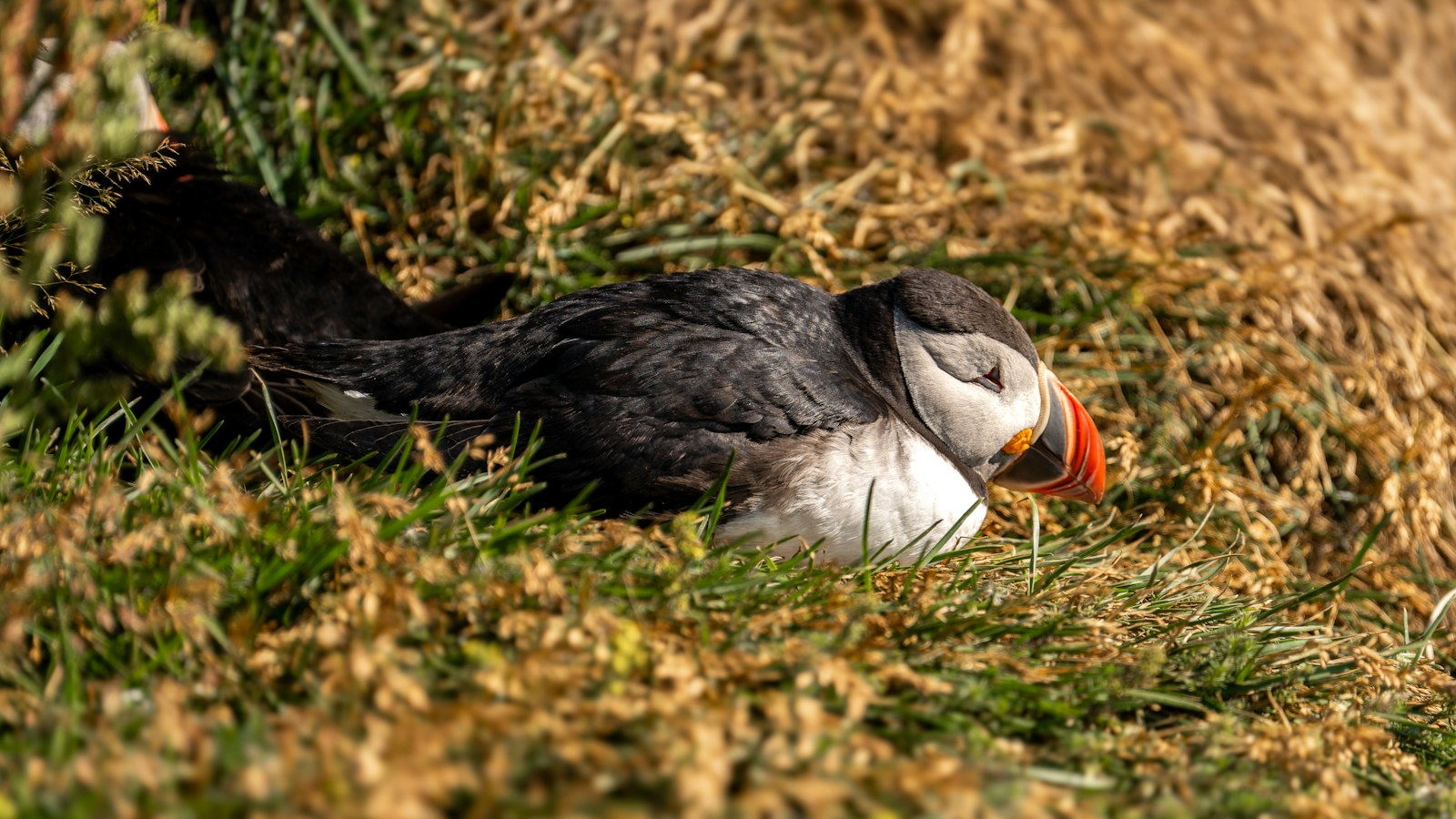
The majority of species, including many ducks, geese and swans from the Anatidae family, are seasonal migrants. The island’s wetlands fill each summer with the honking of pink-footed geese (Anser brachyrhynchus) and the trumpeting calls of swans. The Atlantic puffin, though not listed in these sample notes, is another well-known summer breeder, well suited to Iceland’s rich seas.
Accidental guests, introductions and extinction
Iceland’s birdwatchers are accustomed to surprise appearances. Many species are classified as “accidental” (marked with an A), meaning they rarely or unpredictably occur on the island. The black-browed albatross (Svaltrosi, Thalassarche melanophris) is one such occasional visitor blown far off course from far southern seas. Grebes, herons, storks and some birds of prey, species common elsewhere, often garner excitement when they are spotted in Iceland.
Not all birds found in Iceland arrived on their own. Two species have established breeding populations on the island after being introduced, either deliberately or accidentally, by humans. In some cases, local Icelandic names distinguish these birds, hinting at both their newness and their growing presence in the avifauna.
Other bird populations in Iceland have mixed origins, with some individuals arriving naturally and others released or escaped. This blend of wild and human-assisted dispersal adds to the puzzle of tracking which species truly belong to the landscape.
Among the many species recorded, one is noted as extinct. While the Grimsvötn lake and its remote highland surroundings now echo with the cries of living birds, the absence of once-common species is a marker of changing times.
The variety of birds encountered in Iceland is shaped by its place at the intersection of Arctic, Atlantic and continental migration routes. Over centuries, storms, ice drift and human movements have brought a remarkable diversity of wings to these wind-hardened coasts.
Sources
- Wikipedia
- Wikipedia (Icelandic) in Icelandic


