In Iceland, opera stands at the threshold of a significant transformation. The establishment of the Icelandic National Opera (Þjóðaróperan) marks a new phase for the art form in Reykjavík, a city that has seen both artistic ambition and institutional challenges in recent years. The creation of this state-run company in 2025 follows a history of developments and controversies that have shaped Iceland’s operatic tradition.
A fresh structure for a classic art
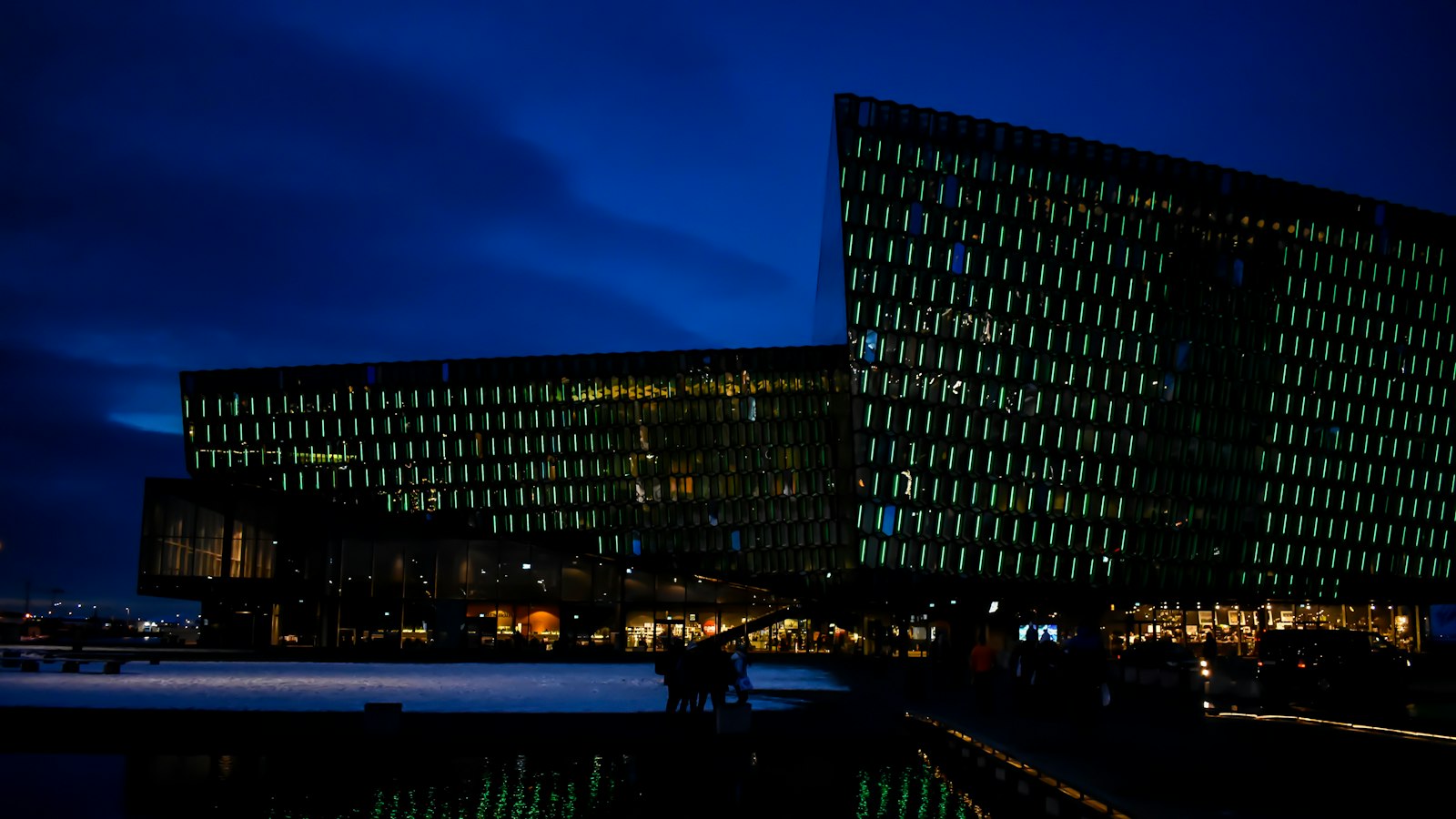
Prior to the founding of the National Opera, the main stage for opera in Iceland was the Icelandic Opera, which made its home in the striking Harpa Concert Hall from 2011. Despite its visible presence, the company faced a period of turbulence. Most notably, legal action by soprano Þóra Einarsdóttir in 2022 highlighted contractual disputes during rehearsals of Mozart’s The Marriage of Figaro. The outcome in her favour at the Icelandic Court of Appeal contributed to calls for structural change.
In 2023, culture minister Lilja Alfreðsdóttir announced that the government would end direct financial support to the independent Icelandic Opera. Instead, a new state-run initiative was outlined, inspired by the organisational models of the National Theatre and the Iceland Symphony Orchestra. This shift was significant, especially given the former public funding of about ISK 216 million (equivalent to $1.64 million or €1.5 million). Progress slowed, however, due to a snap election and a changing government landscape in late 2024.
By June 2025, the Icelandic Parliament passed new legislation (sviðslistalög, meaning ‘stage arts law’). This law placed the management of opera within the framework of the National Theatre and created specific posts: twelve full-time positions for soloists and sixteen part-time choir spots. Such a move linked Icelandic opera more closely to the country’s central cultural institutions, aiming for professional stability in an art form that often faces precarious funding and organisation.
Anticipation for the first new production
Following administrative reshuffles, eleven candidates sought the new Opera Director post in September 2025. The process faced a brief delay after the Minister of Culture, Logi Einarsson, was found ineligible to make the final decision due to a conflict of interest, since one of the applicants had contributed to the drafting of the new law while employed at the Ministry.
Ultimately, in January 2026, Finnur Bjarnason was named Opera Director. Expectations built around what repertoire the renewed institution would present. Initial plans set sights on a full-scale production in 2026, but these shifted; in February 2026 it was announced the first major show under the National Opera’s banner would arrive in March 2027: a staging of Verdi’s Falstaff, with Icelandic baritone Ólafur Kjartan Sigurðarson in the starring role.
This transition means Reykjavík continues to develop as a destination for sophisticated performing arts, with the Icelandic National Opera poised to play a central role in the nation’s cultural narrative. For Icelanders and international observers alike, the evolution of the country’s opera scene offers insight into how a small nation reimagines its support for the arts.


