Iceland twice approved laws that made it extremely difficult for shellfish aquaculture to thrive, threatening the sector’s viability, according to a new study carried out by the Marine and Freshwater Research Institute. The measures, which imposed heavy regulatory burdens on the sector, hindered its growth and ultimately harmed the sector, researchers found. The results were first reported by mbl.is.
The findings are part of an interdisciplinary project involving scientists and students at the Marine and Freshwater Research Institute (Hafrannsóknastofnun). The team examined how regulatory decisions have affected the shellfish farming industry in Iceland.
Background
Iceland is a Nordic island nation located in the North Atlantic Ocean, governed by a democratically elected body, Alþingi, Iceland’s parliament. Its capital is Reykjavík, where most national research institutes and universities are based. The Marine and Freshwater Research Institute is one of the country’s main scientific bodies studying Icelandic waters, fisheries, and aquaculture.
Sources
Links: vef Hafrannsóknastofnunar
- mbl.is (first reported) in Icelandic
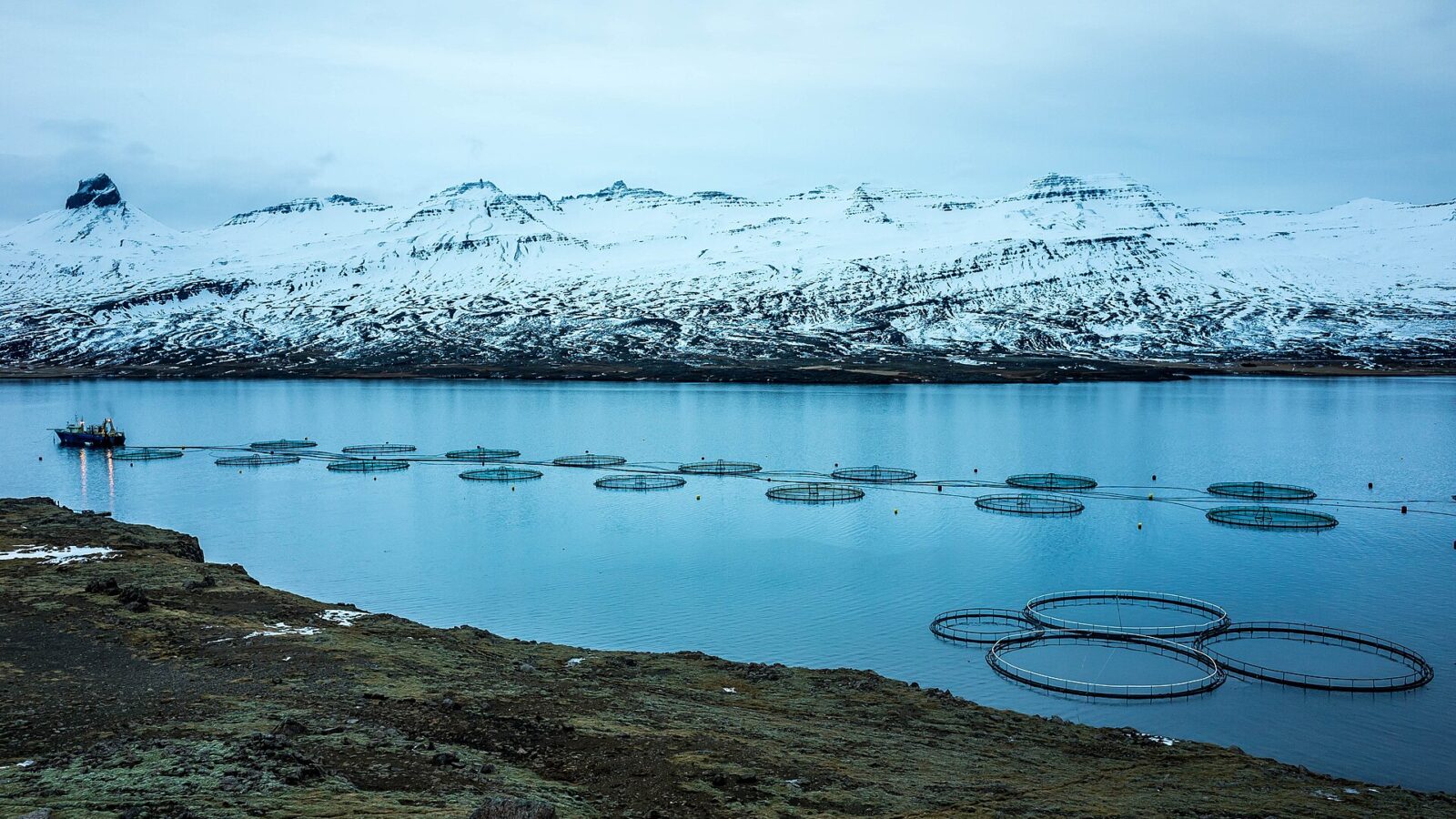
Image: sergejf / Wikimedia Commons (CC BY-SA 2.0) · licence, original (resized) Illustrative image.