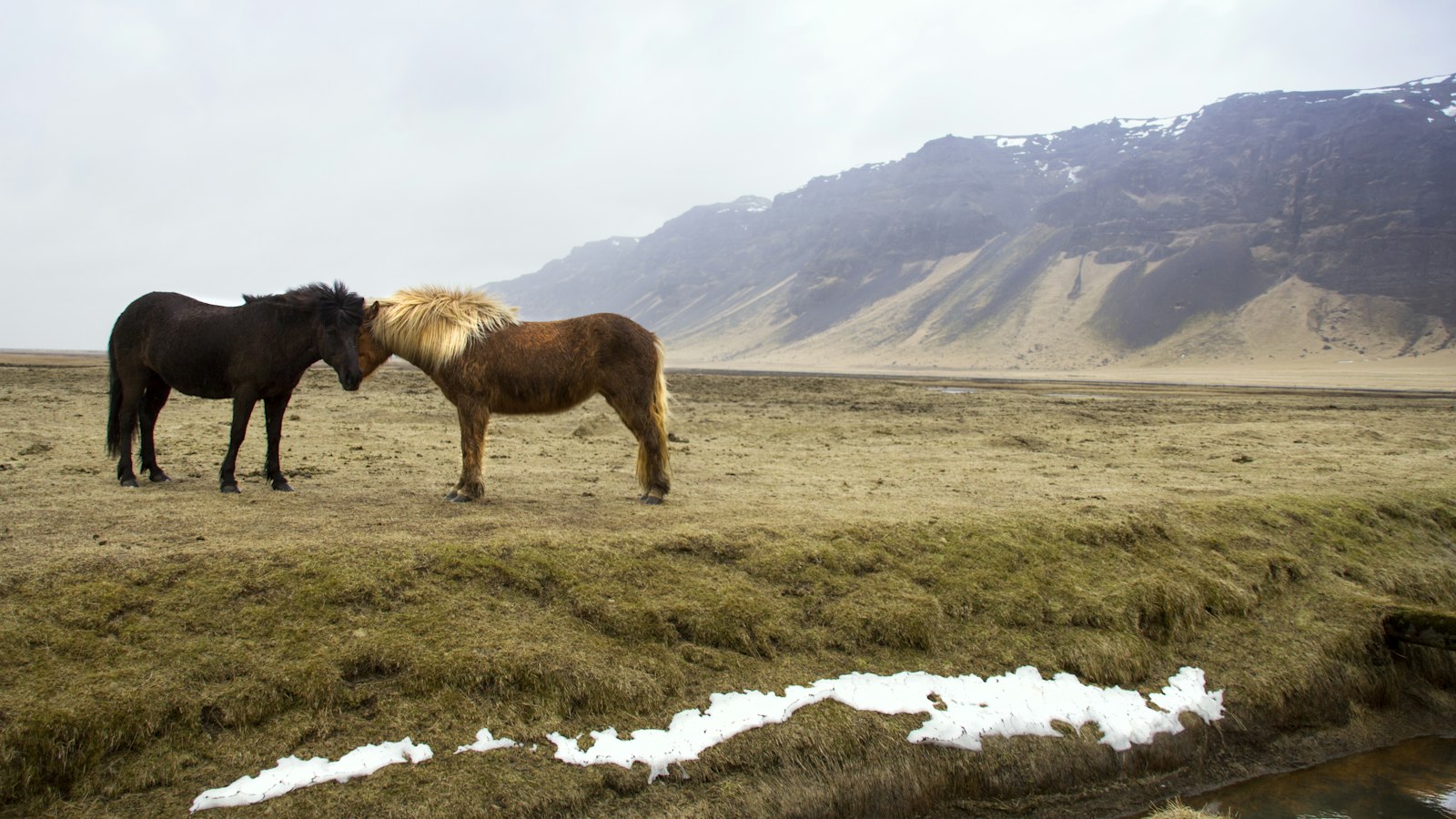
In Iceland, horseback riding is more than a leisure pursuit or sport. It is a mode of transport and cultural tradition, rooted in a land where overland travel has long depended on the ability and endurance of both rider and horse.
Riding shaped by necessity
The distinctive style of Icelandic equitation evolved from practical concerns. In an island nation almost barren of trees, constructing carriages or sleighs for travel never became widespread. Instead, people relied on horses to cover long distances over rugged ground. The riding style that developed focused on comfort and stamina, allowing both horse and rider to travel far.
A large portion of Iceland’s population participates in horse riding. The typical seat for Icelandic equitation is relaxed, straight-backed, and features long legs, encouraging a position that is both balanced and comfortable over many hours. Riders use gentle cues with reins and legs, but verbal commands are just as important. Lightness and harmony are prized, rather than forceful control.
The Icelandic horse and the tölt
Central to this tradition is the Icelandic horse, a breed famed for its unique abilities. In addition to walk, trot, and canter, these horses can perform an ambling gait called the tölt. The tölt, which can be kept from slow speeds up to those rivaling a gallop, is known for its remarkable smoothness, making it especially suited to long-distance riding. Some Icelandic horses also pace, moving both legs on the same side together, another rare trait among horse breeds.
This diversity of movement is celebrated within Iceland. Breeding organisations are active across the country, and competitions are held to determine the best horses and riders for gait and, on occasion, for speed. Prize winners gain both trophies and higher standing in breeding circles, making these events important markers in rural and equestrian life.
Unlike larger riding horses found elsewhere, Icelandic horses are smaller in stature. Despite this, adults form a significant part of Iceland’s riding community. As a result, the average body weight of riders relative to their mounts may be higher than in many other horse cultures.
The tack and equipment used in Icelandic equitation closely resembles English riding styles, with only minor differences reflecting local needs and preferences. The overall approach prioritises the partnership between rider and horse, a partnership shaped by Iceland’s challenging landscape, resourcefulness, and deep affection for its unique horse.


