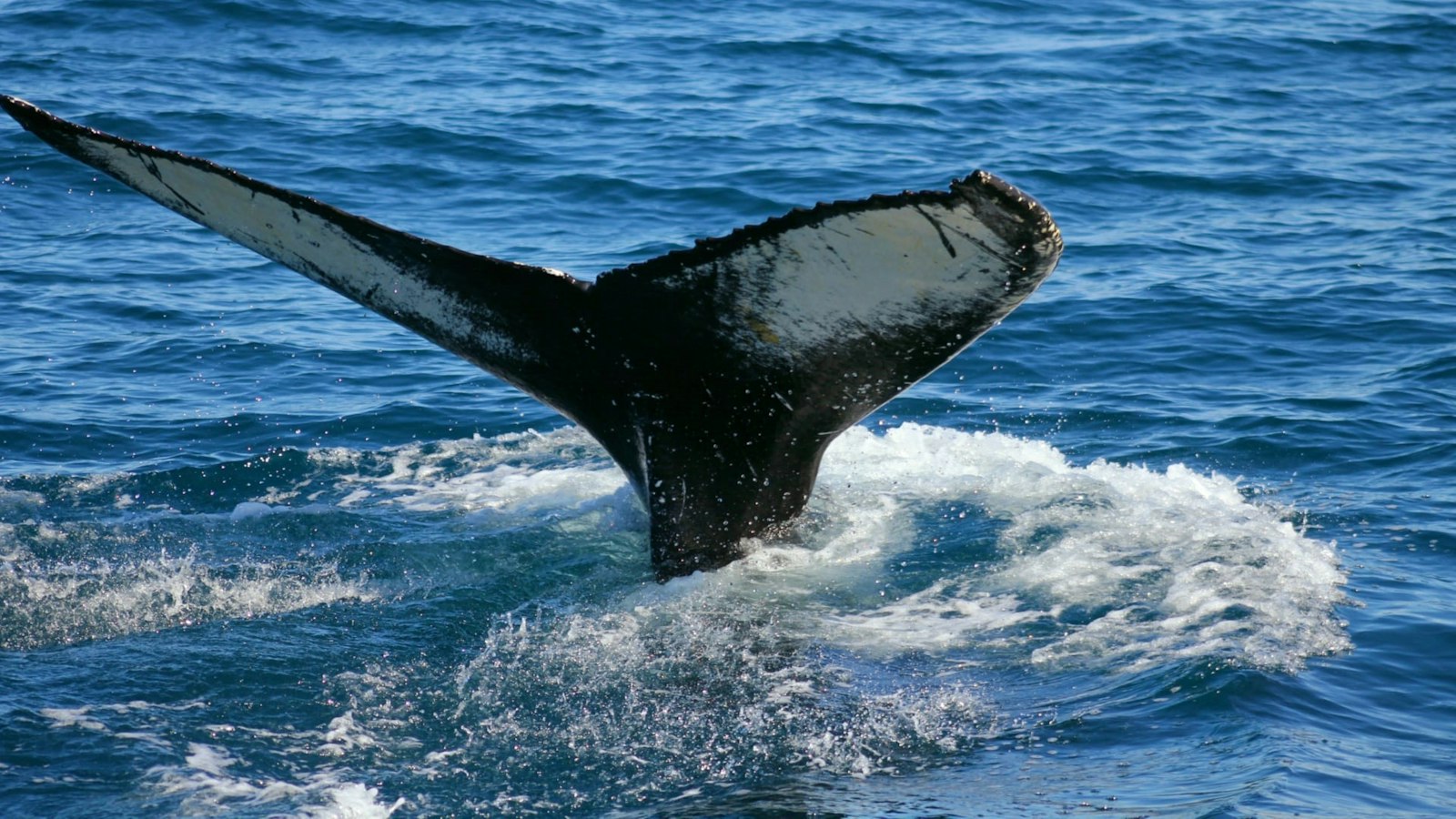
Whale meat has occupied a complex place in human diets, shifting from a staple in many regions to a rare and often controversial dish. Today, the consumption of whale meat persists mostly in a handful of countries including Iceland, Japan and Norway. In these places, whale meat may feature on menus, even as its history and the arguments surrounding it are carefully weighed.
A global history shaped by scarcity and custom
Eating whale meat is not reserved solely for coastal communities. Traditional practices of curing, marinating and even making jerky have extended the reach of whale products far inland. During the Middle Ages, whales were common fare in Europe. The Catholic Church regarded aquatic animals as “fish,” making whale acceptable during Lenten fasting. Whale hunting, however, eventually led to overexploitation. Amid collapsing stocks, especially of right whales in the Bay of Biscay, experienced Basque whalers and others took to distant waters, including the New World, in search of their quarry.
European records from cities in historical Flanders and regions as far as the département of Pas-de-Calais detail the trade and taxation of whale meat. While the rich tended to dismiss most of the flesh, certain parts such as the tongue and blubber were salted and distributed as affordable food during fasting periods. In colonial America, the blubber was sometimes eaten as “cracklings” or “fritters” by sailors, but whale meat rarely became part of the general diet after commercial whaling scaled up.
Iceland’s controversial whaling and enduring traditions
Commercial whaling, once widespread, is now continued in earnest mainly by Iceland, Japan, and Norway. Iceland’s decision to maintain its whaling industry remains controversial and is regularly criticised by environmental groups. Nevertheless, whale meat is sometimes still prepared without seasoning or cured, in keeping with longstanding regional habits. In Norway, for instance, whale meat was a cheap and common dish until the 1980s, often simply boiled and served with potatoes and vegetables.
Across the North Atlantic and Arctic, including in Greenland and Alaska, indigenous peoples continue to hunt and eat whales as a crucial aspect of culture and survival. This local subsistence use is distinct from commercial whaling, driven not by export or tourism but by tradition. In Greenland, however, whale meat does appear in high-end restaurants and hotels, blurring these boundaries.
Globally, the species hunted have changed. The minke whale remains the most commonly targeted, while indigenous communities and some nations now openly hunt larger baleen whales such as fin whales. In Japan, prized cuts have unique names and serve as delicacies, but the demand for whale meat overall remains modest compared to conventional livestock.
People’s attitudes toward eating whale meat are deeply divided. For some, it recalls wartime hardship or taboo foods. For others, it holds cultural weight and acts as a symbol of identity. The debates around whale meat blend questions of tradition, wildlife conservation and concerns about food toxicity.


