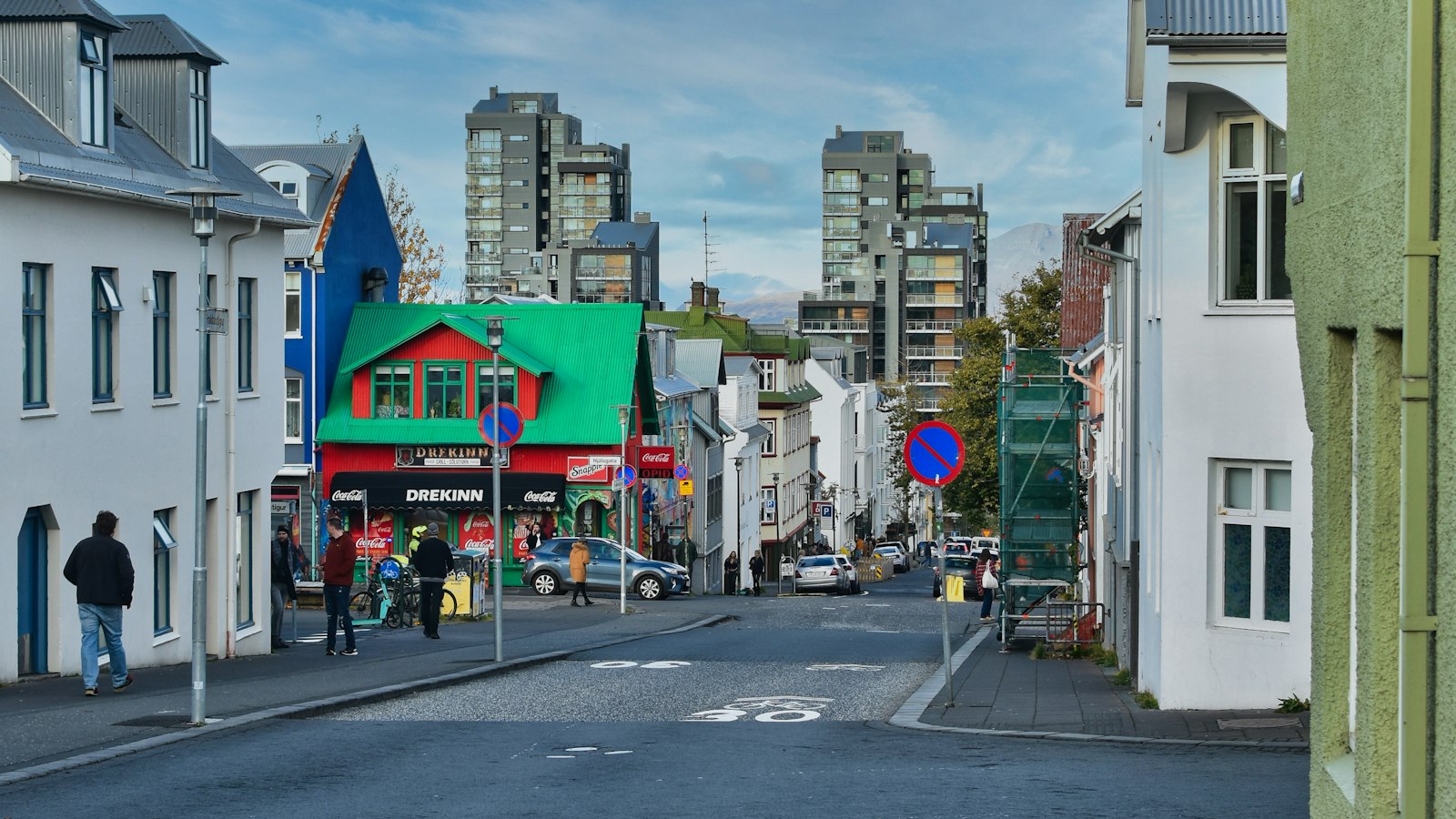
Across Northern Europe, the idea of the “Nordic model” brings together the economic and social approaches common in Iceland, Denmark, Finland, Norway and Sweden. Though each country has its unique path and traditions, the Nordic model is often cited for its commitment to social welfare, democratic governance, collective bargaining and a mixed market economy.
A model blending welfare and economic openness
Since the early 20th century, Iceland joined its neighbours in adopting widespread social programmes. These policies originated in the 1930s with the influence of social democrats working alongside centrists, right-leaning parties and labour unions. The resulting model emphasises a universal welfare state financed by relatively high taxes when compared to other OECD countries. In Iceland, tax revenue amounts to 35.9% of GDP, helping to fund public pensions, universal healthcare and free education.
One distinguishing feature across the Nordics is the universality of benefits: services are provided broadly, rather than targeted solely at those in need. This approach aims to enhance individual autonomy and promote social mobility, with around 30% of Iceland’s workforce involved in areas such as health, education and government services. A similar system functions in the other Nordic countries, though each implements its policies and labour agreements in distinct ways.
Labour, democracy and cultural roots
Workplace policy and wage negotiation follow a corporatist tradition, meaning representatives from trade unions, employers and the state sit together to set wages and working conditions. Trade union participation remains strong: in 2019, 90.7% of Icelandic workers belonged to a union, far above rates in Germany (16.3%) or the United States (9.9%). This model aims to reduce conflict between business and labour, supporting rights and protections in the workforce.
All Nordic countries, including Iceland, operate under democratic governments with proportional representation and a single-chamber legislature. Finland and Iceland are republics, while Denmark, Sweden and Norway are constitutional monarchies. Historically, all have supported free markets with robust public protections, ranking high in international metrics for democracy and social progress.
Notably, the roots of the welfare state are tied to Lutheran religious influences. In Iceland, as elsewhere in the region, Lutheranism fostered a sense of national community and paved the way for state involvement in areas such as health and education. Lutheran revival movements encouraged the transfer of social responsibilities from the church to the state, making the transition smooth and widely accepted.
Despite wider deregulation and some privatisation since the late 20th century, Iceland and its Nordic neighbours continue to outpace most other countries in measures of happiness, life expectancy, equality and government transparency. As of 2020, the region ranked among the world’s least corrupt and scored highly for happiness and social support.
While there is no single, identical model uniting the Nordics, the shared emphasis on high employment, significant welfare spending and a commitment to fairness continues to shape daily life in Iceland and the broader region.
Sources
- Wikipedia
- Wikipedia (Icelandic) in Icelandic


