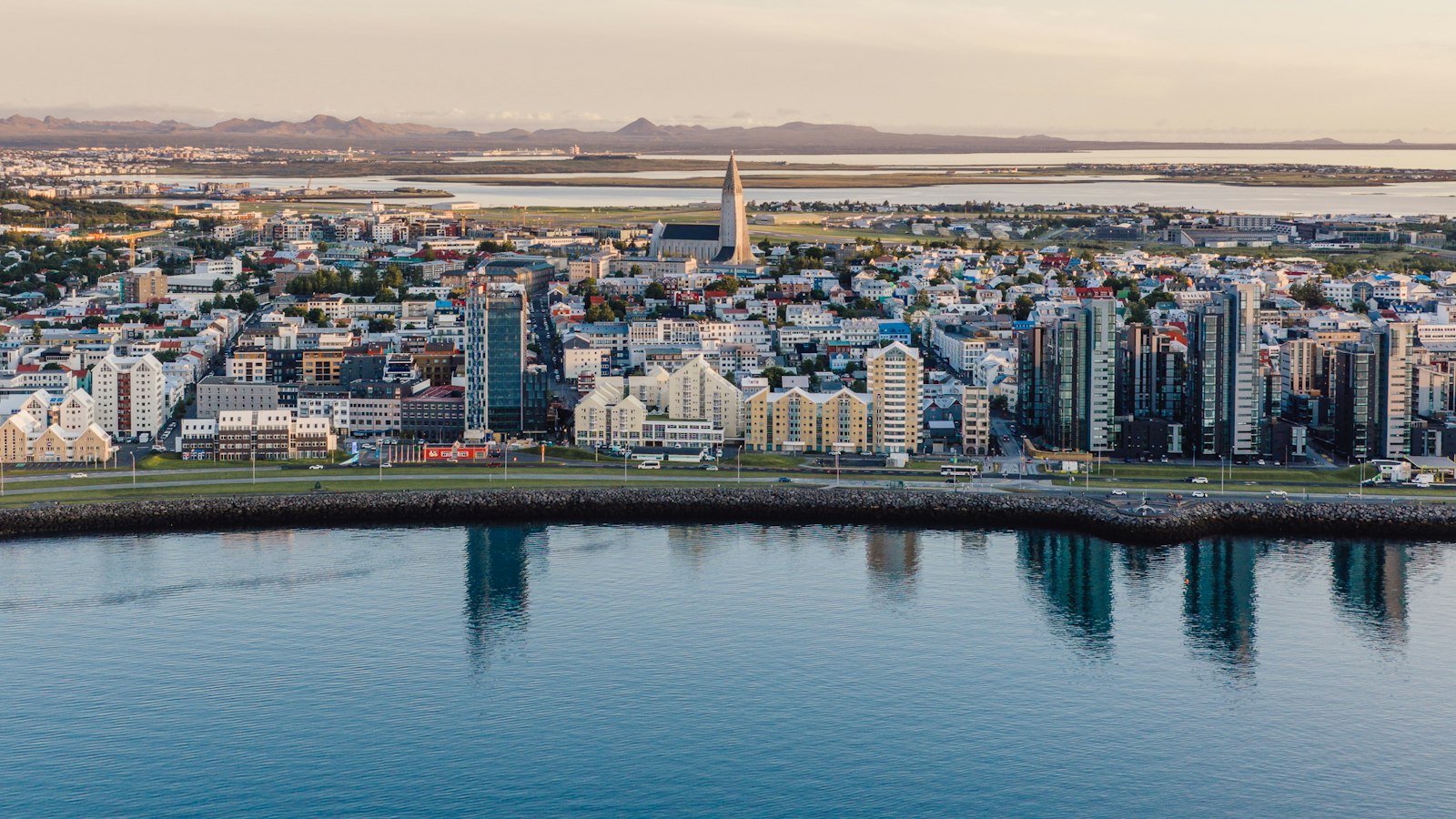
The National Archives of Iceland, known in Icelandic as Þjóðskjalasafn Íslands, stands in Reykjavík as the country’s guardian of historical documents. Its collections trace the story of Iceland from the medieval sagas of the 12th century to the complexities of modern government and society.
A journey through Reykjavík: homes and growth
The Archives began in 1882 under the direction of Denmark’s appointed governor, Hilmar Finsen. Their earliest home was far removed from the purpose-built standard of today: stored in the attic of Reykjavík Cathedral. As Iceland’s administrative and cultural institutions developed, the Archives moved alongside them, first to the Parliament Building in 1900, later to the Safnahúsið building on Hverfisgata in 1908. Since 1987, the Archives have occupied a facility at Laugavegur 162, a building designed by Þórir Baldvinsson, reflecting the growing importance placed on safe, well-managed storage of the nation’s memory.
Each move signalled an expansion. What started as a transfer of government documents gradually developed into a vast repository spanning over 40,000 metres of shelving. Today, the dedicated staff of over 25 people manage a sophisticated operation that supports both research and administrative needs across Iceland.
From thousand-year-old sagas to digital records
The collections at Þjóðskjalasafn Íslands do not just document government. They hold legal, church, census, tax, mortgage, and court records from as early as the Reformation in the 16th century. Private individuals and companies also contribute their archives, broadening the scope well beyond official paperwork.
Researchers, state officials, and ordinary citizens visit the Archives to investigate everything from property histories to genealogy. The reading room is open on weekdays throughout the year, and the institution has made it possible to access many holdings online or through digital orders.
Guidelines for what the Archives keep or dispose of have evolved. Early in the 20th century, decisions required consultation between archivists and the governor, though clear criteria were lacking. A major shift came with the National Archives Act of 1985, which set out responsibilities for records management and clarified the criteria for preserving or disposing of records across all public bodies. Since then, creators of records must appraise their material before it transfers to the Archives, considering research value, legal needs, and the originality of the records.
The law allows the Archives to accept state documents after thirty years and electronic data after five years. When local repositories are lacking, the National Archives step in for regional collections as well.
Physical growth has occasionally slowed activity. In October 2018, the Archives reached full capacity in storage, halting new deposits of government records until more space is secured. Temporary solutions and planned expansions indicate the constant demands of preserving Iceland’s extensive past.
The institution maintains close links with academic life, especially through archival science courses at the University of Iceland, helping to train new generations in preserving and using the country’s documentary heritage.
Sources
- Wikipedia
- Wikipedia (Icelandic) in Icelandic


