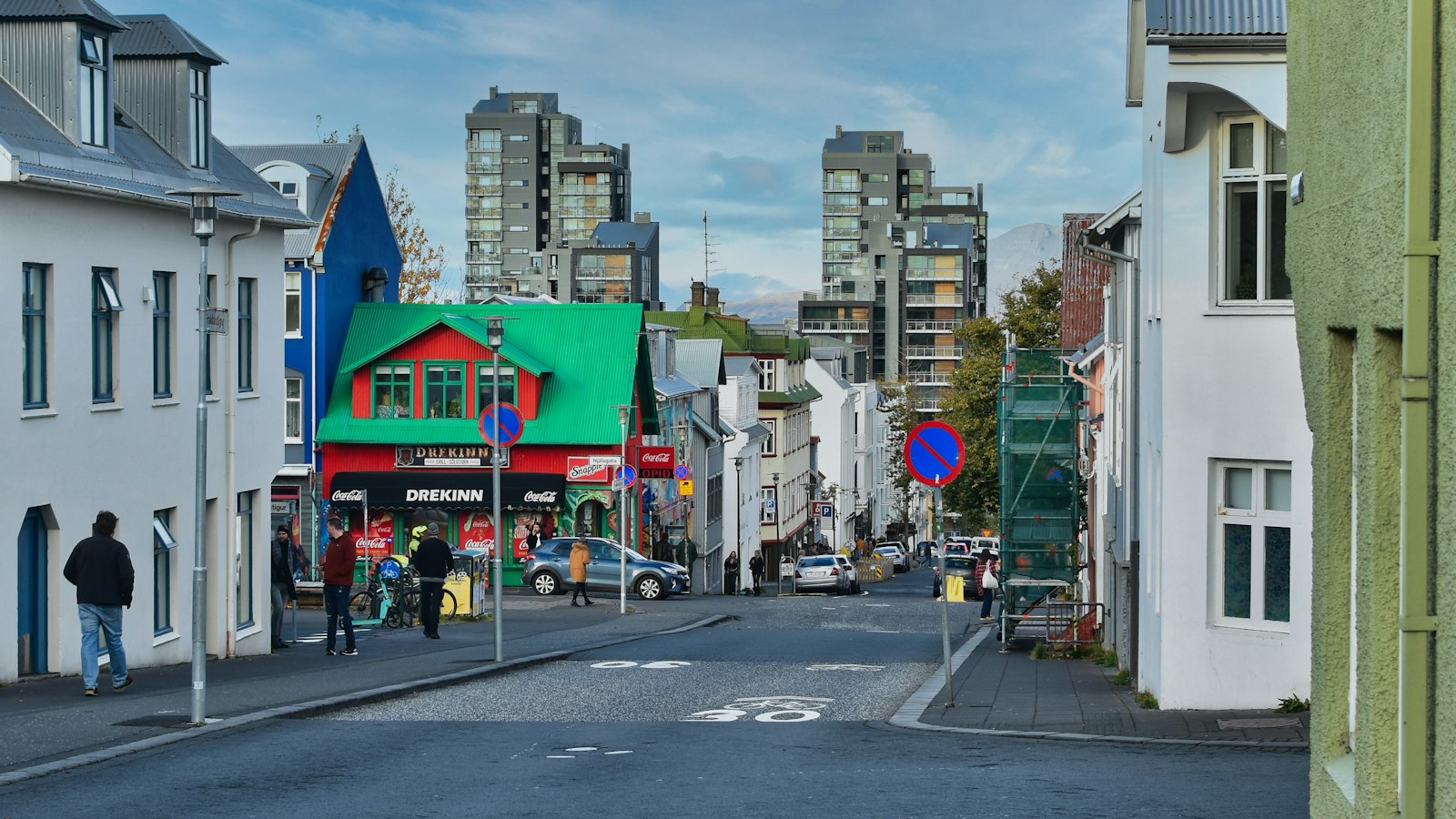
For many outside the UK, the word ‘Iceland’ conjures images of volcanoes or glacier landscapes. In Britain and parts of Europe, however, the name is more often linked to a supermarket famous for its frozen food expertise. Iceland Foods Limited, established in 1970, has become a prominent fixture on British high streets and in retail parks under its own name and the larger-format ‘The Food Warehouse’.
A story of growth and reinvention
The supermarket’s first step was taken in Oswestry, Shropshire, where Malcolm Walker and Peter Hinchcliffe opened a single shop, investing just £60 for a month’s rent. The early focus was on loose frozen food. In under a decade, Iceland grew to 28 stores and, by the 1980s, rapidly expanded by absorbing other frozen food chains. A notable moment came in 1989, with the acquisition of rival Bejam.
Change has been a recurring theme for Iceland Foods. The stores, which once sold only frozen goods, now offer a mix of groceries, with frozen items making up about a third of their turnover. Today, the company operates more than 970 stores in the UK, complemented by The Food Warehouse outlets that cater to bulk-buying customers.
A name with global consequences
The supermarket’s name has resulted in unexpected international friction. After Iceland Foods trademarked ‘Iceland’ across Europe in 2005, Icelandic authorities objected. They argued the supermarket was using their country’s name in ways that hindered Icelandic firms, including the national tourism board, from using ‘Icelandic’ to describe their own products. Legal action followed, and in 2016, the government of Iceland challenged the trademark, claiming it was far too broad. The European Union Intellectual Property Office eventually invalidated the supermarket’s claim to the name. This position was confirmed by EU courts as recently as 2025.
Ironically, Iceland Foods has stores in the country Iceland itself, maintaining a limited presence on the island where the name is so closely tied to national identity. The business’s history is further intertwined with Icelandic banks: after the 2008 financial crisis, majority ownership of Iceland Foods temporarily passed to two Icelandic financial institutions until a buyout led by the founder in 2012.
Despite challenges, the company adapts, introducing loyalty schemes, launching online services, and experimenting with retail formats like the short-lived Swift convenience stores. Through these innovations and occasional controversies, Iceland Foods has carved out a peculiar place in both British and Icelandic stories of commerce, culture and naming rights.
Sources
- Wikipedia
- Wikipedia (Icelandic) in Icelandic


