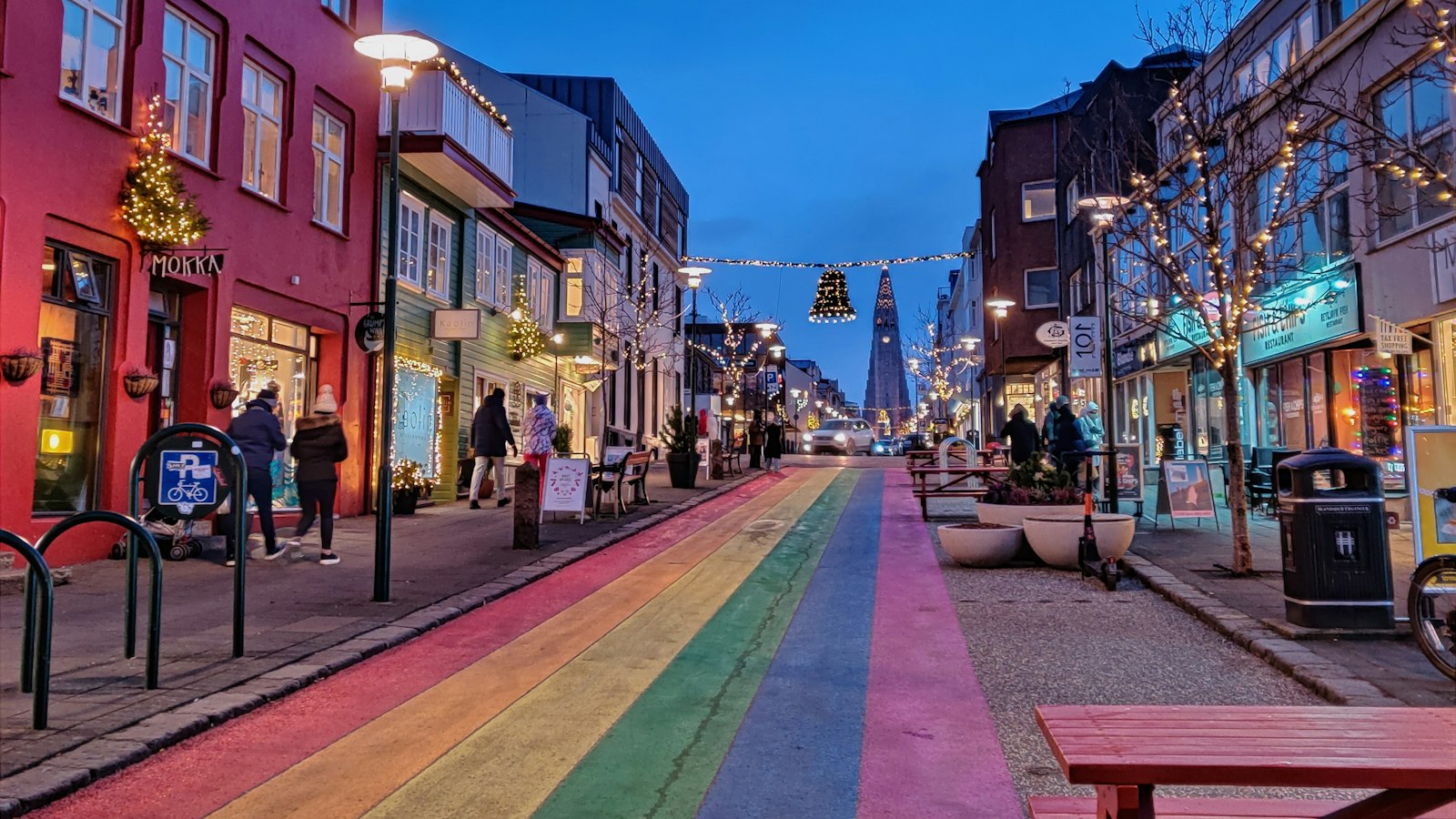
For one week each August, Reykjavík is the centre of Iceland’s largest celebration of sexual and gender diversity. Hinsegin dagar í Reykjavík, Reykjavík Pride, fills the heart of the city with parades, concerts and conversations about LGBTQ+ rights. What began as a small event tied to international queer history has evolved into a defining festival for both Iceland’s queer community and the country’s public life.
From quiet protest to joyful march
The roots of the festival reach back to 1999, when local advocacy group Samtökin ’78 organised a weekend gathering at Ingólfstorg, a main city square. Around 1,500 people attended, marking three decades since the Stonewall riots in the US. The following August saw the first dedicated parade, known in Icelandic as Gleðigangan, or the ‘March of Joy.’ This title was chosen to distinguish it from earlier demonstrations in the 1990s, which had emphasised equal rights and were called “liberation marches.” Organisers at the time aimed to present a positive, non-confrontational spirit, shifting away from protest and towards celebration.
Reykjavík Pride became an independent event under leaders Heimir Már Pétursson and Þorvaldur Kristinsson, quickly surpassing expectations. As many as 12,000 participants gathered for the first parade in central Reykjavík, setting the stage for future growth. Over the years, the festival expanded its programme and steadily attracted more visitors, ultimately drawing over 100,000 people to the city centre during parade days.
Growth, critiques and conversations
While the rising numbers reflect wide support, some have questioned the festival’s approach. Scholars such as Þorsteinn Vilhjálmsson and Íris Ellenberger have argued that the event’s upbeat messaging can hide deeper issues. According to their criticism, Reykjavík Pride’s focus on happiness and progress may obscure the memory of earlier hardships, including discrimination, the HIV/AIDS crisis and more radical forms of activism. The festival’s discourse has also been scrutinised for allegedly presenting Iceland as exceptionally tolerant, which, critics say, can shift blame for any prejudice onto outsiders rather than addressing it at home.
Tensions have surfaced occasionally, such as the 2019 incident when activist Elí Hörpu og Önundar was detained by police after attempting to bring signs focused on queer and anti-racist liberation to the parade. Festival organisers later apologised for the episode, acknowledging missteps in balancing inclusion with order.
Despite debate and evolving leadership, Reykjavík Pride continues to be an important marker of both Icelandic LGBTQ+ history and ongoing struggles. Each year, the festival reaffirms the city’s place at the centre of queer culture in Iceland, blending celebration, remembrance and sometimes controversy.
Sources
- Wikipedia
- Wikipedia (Icelandic) in Icelandic


