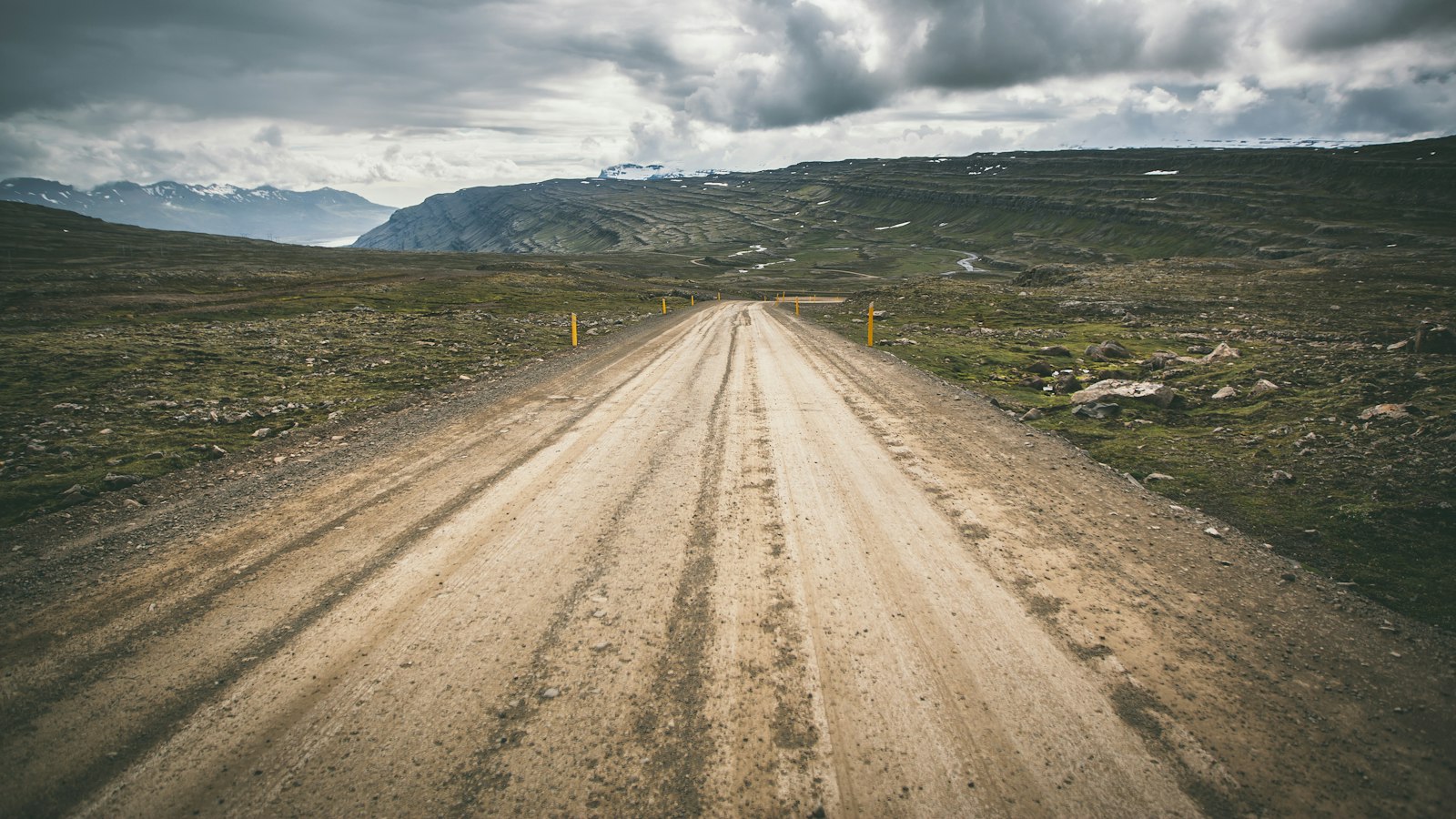
In the austere highlands of northern Iceland, Herðubreið stands as a silent testament to a dramatic geological past. Known as “the broad-shouldered one,” this mountain rises from the eastern edge of the Ódáðahraun lava desert, close to the active systems around Askja volcano. While its steep flanks have deterred most would-be climbers for centuries, Herðubreið remains deeply embedded in Icelandic nature and culture alike.
A subglacial origin
Herðubreið is not just a mountain, but a tuya, a flat-topped, steep-sided volcano formed beneath a thick ice sheet. Its basaltic structure was shaped during the last ice age, when eruptions forced their way through hundreds of metres of glacial ice. The mountain’s layered top tells the story: beneath, pillow lavas and hyaloclastite (fragmented volcanic glass) were deposited under tremendous pressure and cold, while the summit plateau is capped by lava flows and the remains of a crater that sometimes fills with a summer lake.
Eruptive activity in the region began before the glaciation, particularly south of Herðubreið, in an area called Herdubreidartögl. As Iceland’s glaciers grew thicker towards the peak of the last ice age, renewed eruptions produced dramatic features. Lava erupted under ice and water at first, then eventually built upwards until it broke through to form the signature table-mountain profile now visible from great distances.
Cultural echoes and natural resilience
Archeological evidence places the name Herðubreið as far back as the 1300s, and it has long been celebrated by Icelanders, earning the affectionately grand title “The Queen of Icelandic Mountains.” A public vote in 2002 confirmed its status as Iceland’s favourite mountain.
Yet Herðubreið’s presence has not always meant hospitality. For centuries, the bleak lava fields of Ódáðahraun were a place of exile for outcasts and criminals. Close to the mountain is Herðubreiðarlindir, an unexpected oasis among the lava, once a vital refuge for those seeking to survive outside the bounds of society. In the winter of 1774–1775, the outlaw Fjalla-Eyvindur took shelter here, illustrating both the harshness and life-giving potential of Iceland’s volcanic interior.
Despite its prominent form, Herðubreið was not successfully climbed until 1908, when Hans Reck and Sigurður Sumarliðason completed the feat. Its sharply angled sides remain challenging even today.
In 2019, Herðubreið was incorporated into Vatnajökull National Park, ensuring legal protection for both the mountain’s delicate geology and the surrounding highland ecosystem. Though extinct, Herðubreið still lies amid a geothermally active landscape shaped by Iceland’s ever-shifting tectonic boundaries. It continues to inspire with its endurance, striking silhouette and deep layers of story.
Sources
- Wikipedia
- Wikipedia (Icelandic) in Icelandic


