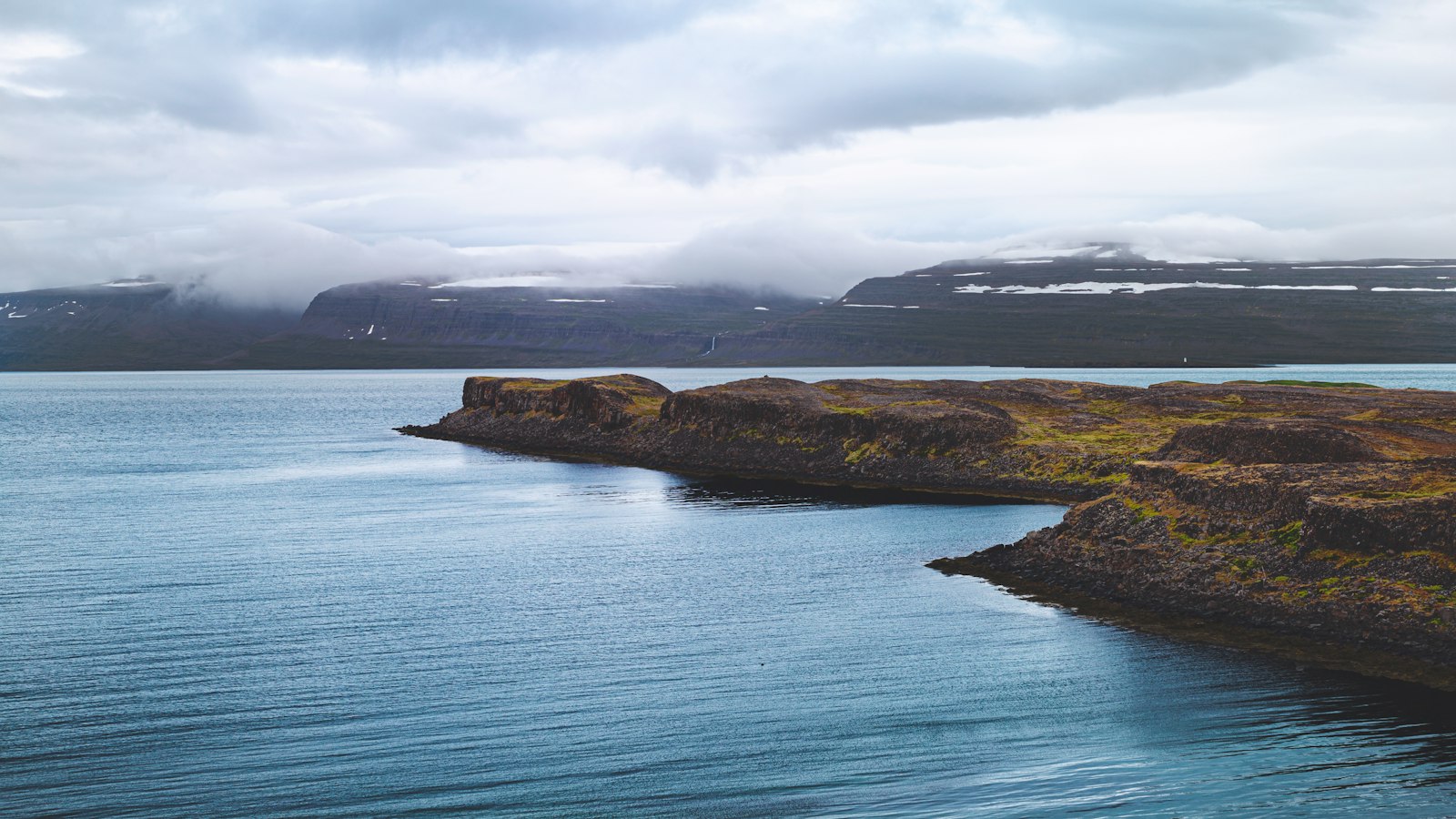
Between the winding channels of the Héraðsvötn river in Skagafjörður lies Hegranes, a region whose identity and landscape are strongly entwined with Iceland’s broader history. While its name suggests a peninsula, ‘hegri’ means heron and ‘nes’ means peninsula in Icelandic, Hegranes is, in fact, an island stretching approximately 15 kilometres in length. Rocky ridges rise from the land, and abundant vegetation fills the spaces between these heights, giving the area a rich natural character.
The rivers that surround Hegranes shape its contours. To the west, the river’s path moves tightly along the land, while to the east, wide sandy stretches appear before meeting the water again. At the southern tip, a delta known as Austara-Eylendið is renowned for its varied plant life and bird populations, marking the area as a registered natural heritage site.
A site of regional power and legend
Hegranes once stood as its own rural community, known as Rípurhreppur, but it is now part of the wider Skagafjörður municipality. The church at Ríp serves the local area today, continuing a long tradition of settlement and regional ties that reach into Iceland’s medieval past.
Among the significant places in Hegranes, the Garður farm holds a particular place in the island’s story. In the era of the Icelandic Commonwealth, the spring assembly, Hegranesþing, was held here. These meetings convened people from across the region, and the central location was convenient for travel by both land and water. Records suggest that the sea once reached close to the edge of the assembly site, underscoring the importance of the location for those who gathered there.
Traces of this assembly remain. Not far from the Garður farm, ruins likely tied to temporary dwellings for parliamentary visitors can still be found. Archaeological work near the old parliament cemetery has uncovered what appears to be a circular garden from the 11th or 12th centuries, offering hints about how the area was organised and marked off in the past.
Medieval sagas such as Grettis saga bring Hegranesþing further to life, recounting how notable figures, including the outlaw Grettir, attended the assembly. Perhaps the most famous episode linked to Hegranesþing dates from 1305, when the King’s envoy Álfur úr Króki faced the wrath of the Skagafjörður people but managed to escape. The assembly was disbanded around the 14th century, yet the site today remains protected, though much remains to be studied.
Community, memory and hidden folk
Hegranes contains elements of newer and older history alike. In the settlement of Ás, one of Iceland’s earliest women’s schools opened in 1877, operating for only a single year. Meanwhile, ongoing archaeological excavations in Keldudalur are unearthing dwellings dating back to the centuries between the 900s and 1100s.
Local conviction holds that the area hosts settlements of huldufólk, the hidden people or elves. This belief remains influential, affecting decisions about building and roadmaking just as much as the tangible heritage in the soil or stone. In Hegranes, past and present, legend and life continue to shape the land.
Sources
- Wikipedia
- Wikipedia (Icelandic) in Icelandic


