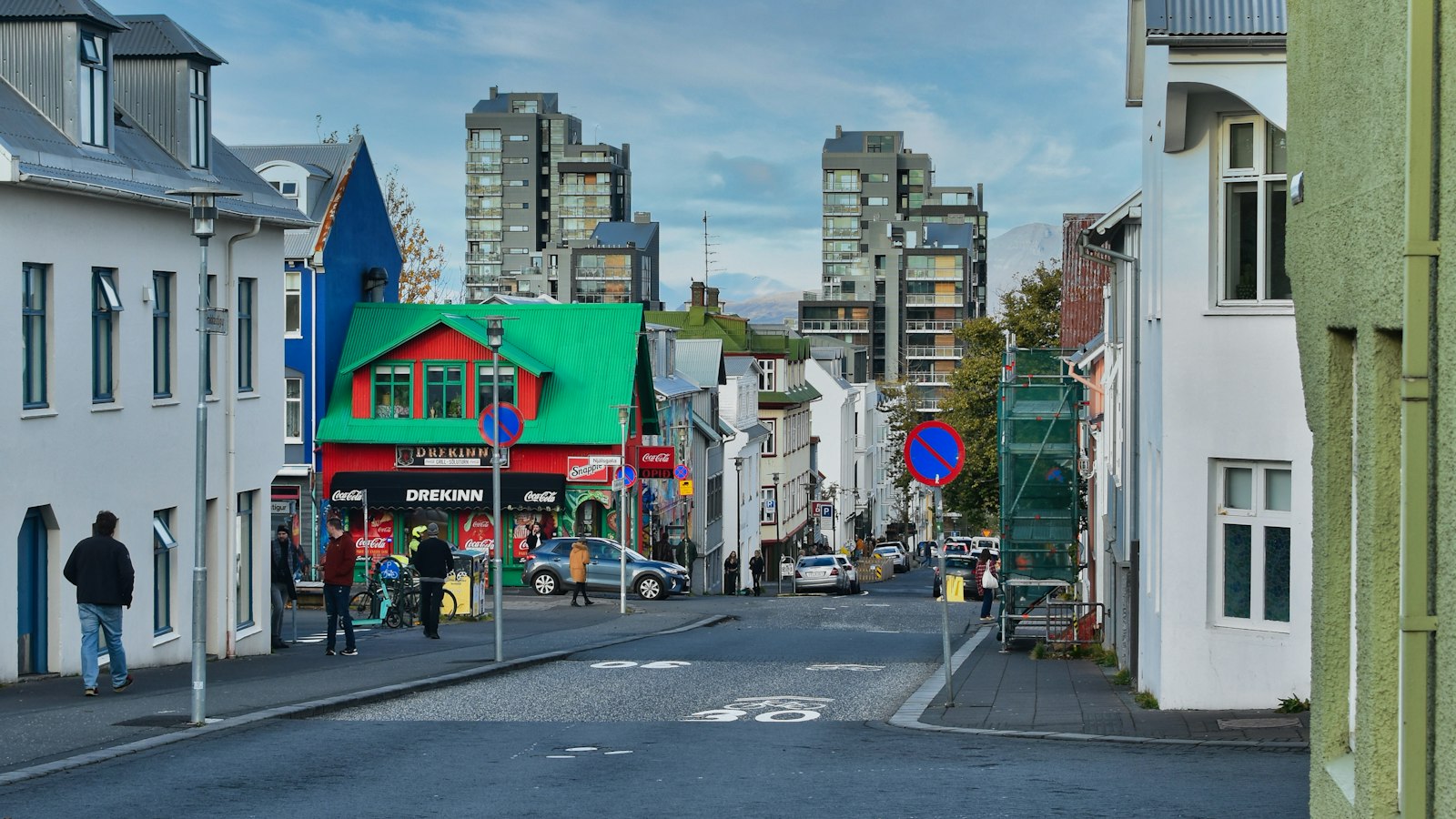
In Reykjavík, the game studio Solid Clouds has carved out a place in global digital culture with Starborne: Sovereign Space, a massively multiplayer real-time strategy game set in the distant future. Since pre-production began in 2013, the team has developed a title that merges board game principles with a vast science fiction universe, inviting thousands of players at a time to shape the fate of a sprawling, interstellar setting.
The central premise places players in command of fledgling empires that emerge across the galaxy, competing amidst a dynamic web of politics and technology. Every participant starts with a single space station, positioned on a massive hex-based map with millions of zones up for grabs. Over the course of four to ten weeks, players expand territories, harvest resources and field ever-larger fleets. Alliances form and dissolve as groups coordinate to outmanoeuvre their rivals, echoing both the tactics of classic board games and the sweep of space opera fiction.
A living galaxy, shaped by strategy and community
Starborne’s map is a core feature, updated for the game’s open beta that began in April 2020. Players can claim and improve hexes by establishing space stations and customising them for gathering resources, defending borders or pursuing unique advantages. The placement of each station and the policies applied to a chosen faction, there are six in the main mode, each with unique traits, are crucial decisions. Players can further tweak their empires through a versatile card system, unlocked by daily challenges or in-game achievements, influencing both economy and tactics.
Victory can be claimed in several ways: by scoring the most victory points from capturing strategic mechanisms and Dyson Spheres, by controlling the most territory, or by excelling technologically. The alliances that rise within the game compete for dominance, working together to secure shared victories across the galaxy.
Lore of mega-structures and contested frontiers
Set in the 25th century, the backstory of Starborne involves humanity spanning the stars via Tenebris-Rosen Bridges, vast tunnels allowing faster-than-light travel, powered by immense Dyson Spheres built around stars. The galactic scene is shaped by three major powers: the democratic Union of Sol, technocratic Lunar Directorate, and the Martian Commonwealth. Alongside these, a shifting tapestry of pirates, corporations and the Sovereign Six, a set of influential independent factions, compete for resources and influence.
A variant game mode, Dead Zone, offers a more condensed experience, focusing on contested sectors cut off due to hazardous radiation. Resourceful players must develop new strategies to survive, while navigating abandoned colonies and the ruins of failed settlement attempts.
Starborne’s development and ongoing evolution highlight not just Iceland’s presence in the world of high-concept interactive entertainment, but the global fascination with building, negotiating, and surviving in imagined futures.
Sources
- Wikipedia
- Wikipedia (Icelandic) in Icelandic


