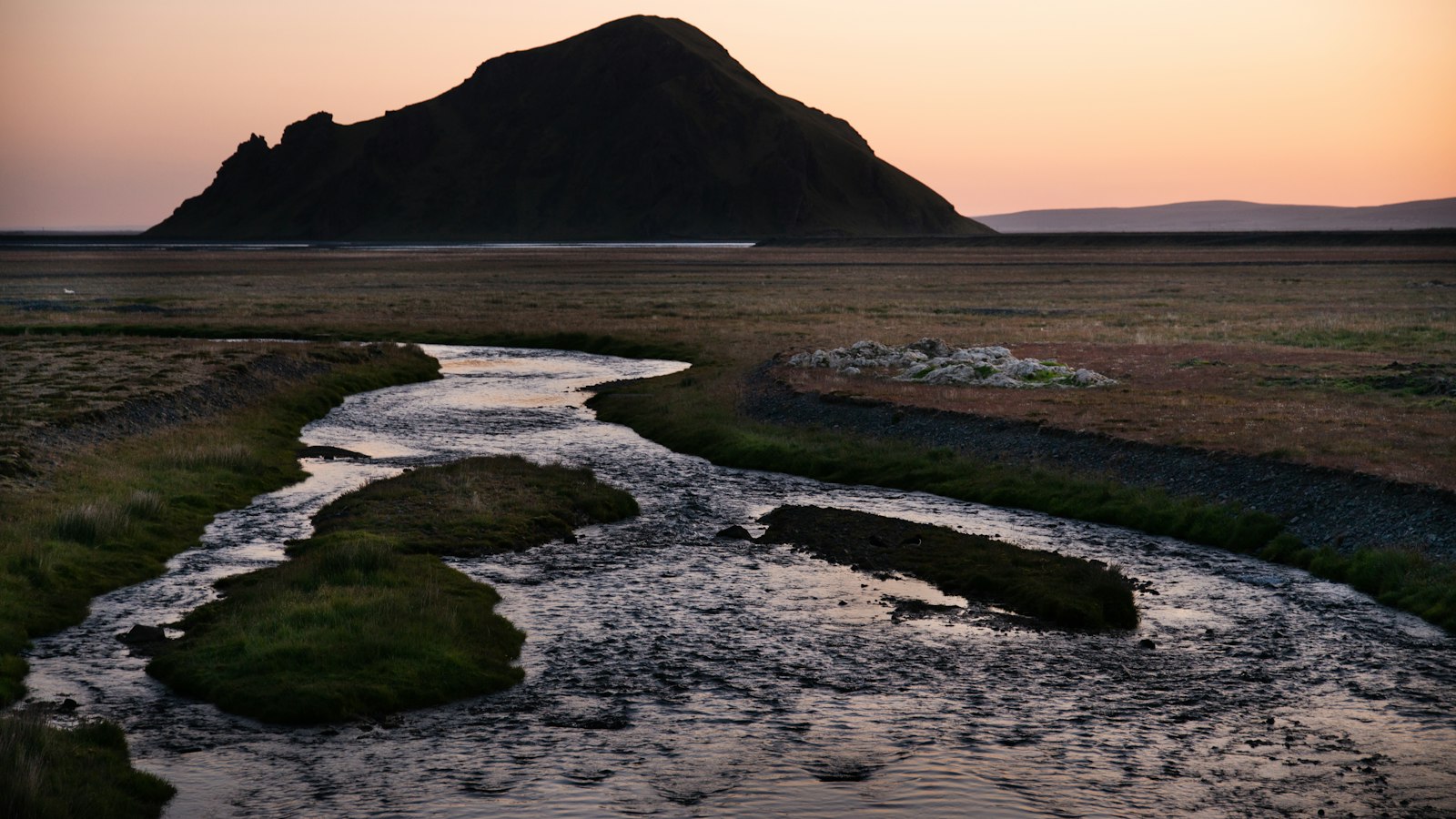
Near the headwaters of southern Iceland’s rivers, the Búðarháls hydroelectric power plant, Búðarhálsstöð in Icelandic, stands as an achievement of engineering and environmental planning. Operated by the national energy company Landsvirkjun, it is the seventh largest among Iceland’s hydroelectric stations. Although it is relatively new, officially commencing operations on 7 March 2014, Búðarhálsstöð plays a critical role in the country’s renewable energy landscape.
Harnessing river power with careful planning
Set roughly 150 kilometres east of Reykjavík, the plant utilises the rivers Þjórsá and Tungnaá, major arteries of Iceland’s hydropower network. The location, close to the meeting point of the Tungnaá and Kaldakvísl rivers, was chosen to connect all hydroelectric plants along these waterways. This strategic link allows Iceland to use the entire river system efficiently, reducing the need to dam other rivers, and so limiting environmental impact.
Búðarhálsstöð is one of six hydroelectric stations on the Þjórsá-Tungnaá system, which also includes Búrfell, Sultartangi, Hrauneyjafoss, Vatnsfell and Sigalda. Alone, Búðarhálsstöð has an installed capacity of 95 megawatts, with two Kaplan turbines each producing 47.5 MW. Annually, it is capable of generating 585 gigawatt hours of electricity, a significant contribution to Iceland’s grid.
Design, construction and environmental role
The creation of the Sporðalda reservoir was essential to the project. Covering 7 square kilometres, this artificial lake is held in place by two rock-fill embankment dams, each about 25 metres high and together stretching 1300 metres. Water is collected in Sporðalda, then channelled through a four-kilometre underground tunnel, before plunging down steel pressure pipes to turn the turbines housed within a cavernous underground section of the powerhouse.
Construction of Búðarhálsstöð unfolded in several stages. Preparations began in 2001, while the primary building phase started in late 2010. The process required 65,000 cubic metres of concrete and 4,500 tonnes of steel. The plant’s infrastructure includes a headrace tunnel 11.3 metres wide and almost 15 metres high, a surge basin, and a sequence of transformers and substations for efficiently delivering electricity to the national grid.
The plant’s presence also prompted adjustments in local transport infrastructure, such as raising Highway 26 and its bridge over the Sporðöldukvísl river by three metres to accommodate the new water level from the reservoir.
Through the systems established at Búðarhálsstöð, the rivers of the highlands are now used almost in their entirety for clean energy, weaving together technological ambition and careful stewardship of Iceland’s unique natural resources.
Sources
- Wikipedia
- Wikipedia (Icelandic) in Icelandic


