In Iceland, March 1 holds special significance as Beer Day, or Bjórdagurinn in Icelandic, a public occasion celebrating the return of beer after decades of enforced prohibition. This annual event not only highlights the nation’s evolving social attitudes, but also recalls a complex chapter in Icelandic history.
A ban shaped by trade and tradition
The story begins with a nationwide referendum in 1908, when Icelanders voted to outlaw all alcoholic beverages. The ban took effect at the start of 1915 and was among the strictest in Europe. International relations soon challenged this policy: in 1921, pressure from Spain, one of Iceland’s major trading partners, led to a partial relaxation. When Spain refused to import Icelandic fish unless wines from Spain were accepted in return, the government was compelled to permit such imports. Spirits became legal again following a 1935 vote, but beers with more than 2.25% alcohol content remained forbidden, a concession to the temperance movement that argued beer’s affordability might increase overindulgence.
Despite many attempts to reverse the rule, strong beer continued to be excluded from the legal alcoholic menu for more than half a century. Icelanders found creative workarounds, mixing permitted spirits with low-alcohol “pilsner” lagers. Such ingenuity came to an abrupt halt in 1985, when the Justice Minister prohibited this practice. As frustrations mounted and foreign travel became more common, growing numbers of citizens encountered beer abroad and returned determined to bring about change at home.
A shift in national culture
In March 1989, the upper chamber of Iceland’s Parliament finally voted to allow the sale of strong beer, with a 13 to 8 majority. This decision not only lifted the ban, but also marked a shift in Icelandic social habits. The day of legalization was memorable for many, with accounts of celebratory gatherings that lasted well into the night. Some see the subsequent rise in the birth rate the following year as an unintended legacy of Beer Day’s first celebration.
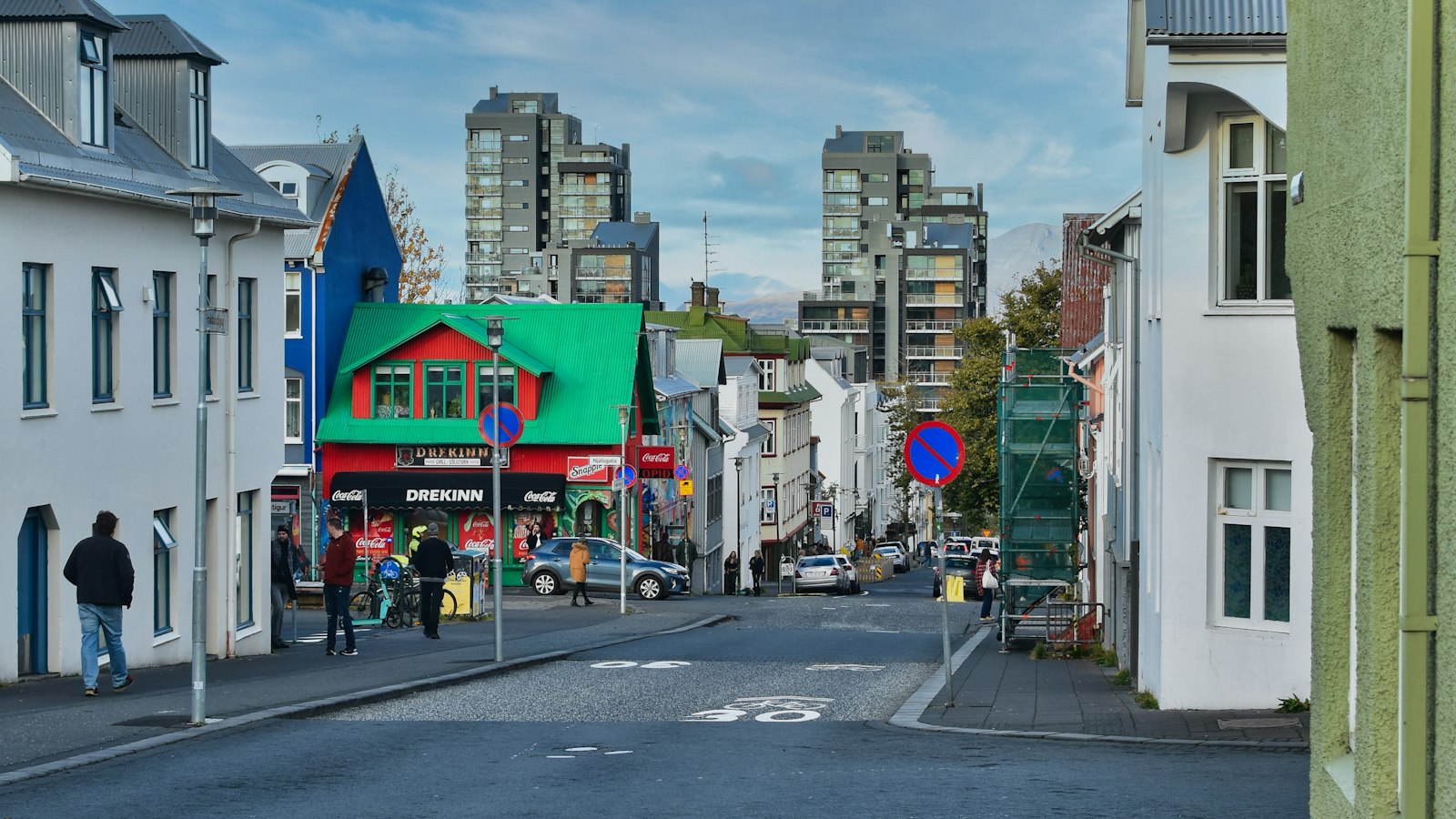
Since then, March 1 has become synonymous with revelry in Iceland’s bars and clubs, particularly in Reykjavík, the country’s capital. The annual tradition of the “rúntur,” or bar crawl, helps bring people together across the city, with many venues keeping their doors open well into the morning hours. Over time, beer has grown to be the preferred alcoholic drink for many Icelanders, representing not just a beverage but a symbol of changing times.
The popularity of Beer Day has reached beyond Iceland’s shores as well. Inspired by the Icelandic version, some enthusiasts in the United States have begun to mark Iceland Beer Day (IBD) in their own communities, reflecting an international recognition of the country’s unique approach to the beverage.


