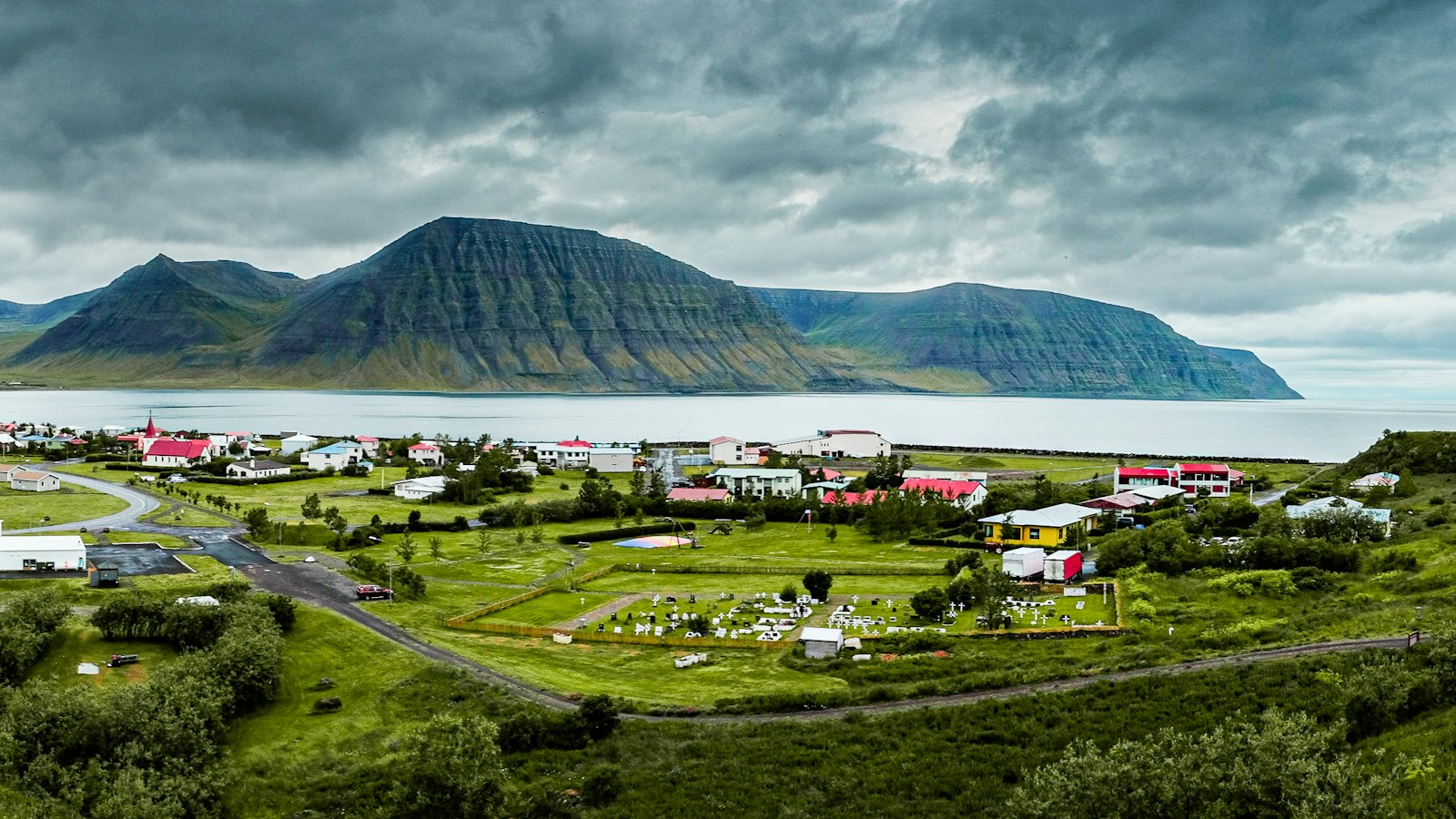
In the 17th century, the remote Westfjords of Iceland saw the arrival of Basque whalers, whose voyages reached far beyond the Bay of Biscay. With their distinctive language rooted in the Basque Country, these sailors encountered Icelandic locals amid the northern seas. The need to communicate sparked an unusual linguistic creation: the Basque–Icelandic pidgin, known in Icelandic as “Basknesk-íslenskt blendingsmál.” This dialect offers a glimpse of the diverse connections and complexities of North Atlantic life in a time of global trade and conflict.
An unexpected blend of languages
The Basque–Icelandic pidgin was far from a simple merger of Basque and Icelandic. Instead, it was a Basque-based pidgin that pulled in vocabulary from Germanic and Romance sources, reflecting the mixed crews and wide-reaching networks of Basque whalers. Words and phrases drawn from Dutch, English, French, German, and Spanish sit alongside Basque terms, hinting at the multilingual world aboard the whaling ships. Even some Basque words reveal earlier French and Spanish influences, showing how languages had mingled long before the whalers reached Icelandic shores.
This pidgin used Basque words for everyday items, “atorra” (shirt), “balia” (whale), “berria” (new), or “sagarduna” (cider), alongside Germanic word forms like “cavinit” (from old Dutch or Low German, meaning “nothing at all”) and Romance-derived terms such as “cammisola” (from Spanish, “shirt”) and “mala” (from French or Spanish, “bad”). Grammar rules were loose, with nouns and adjectives marked using Basque endings even if it was ungrammatical in Basque itself. The word order was also altered, showing creative, practical communication rather than strict linguistic rules.
Traces in fragile manuscripts
What survives of this pidgin comes from just a handful of glossaries and manuscripts. Two major dictionaries, “Vocabula Gallica” and “Vocabula Biscaica,” were copied in Iceland, mostly listing translated words and simple sentences with occasional pidgin phrases. “Vocabula Gallica” contains over 500 entries and numerals, while “Vocabula Biscaica” offers just under 280 words, sentences, and numbers. These documents, written or copied through the 17th and 18th centuries, were long forgotten before being rediscovered by scholars in the 1920s and again in 2008 with the finding of a fourth glossary at Harvard.
Much about the pidgin’s development remains uncertain. While it may have emerged among the Basque communities of the Westfjords, the international nature of whaling means it could easily have developed elsewhere and arrived in Iceland ready-made. The fact that so many linguistic influences appear in these glossaries points to a world where language shifted as quickly as the tides, serving practical needs for trade and survival.
After the 1615 massacre of Basque sailors, remembered as the Slaying of the Spaniards, whaling fleets shifted, yet the movement of Basque and other European mariners through Icelandic waters continued into the 18th century. The pidgin, meanwhile, faded as trade patterns changed and times moved on. Today, only scant records remain, offering a window into an era when unlikely encounters shaped both language and history.
Sources
- Wikipedia
- Wikipedia (Icelandic) in Icelandic


